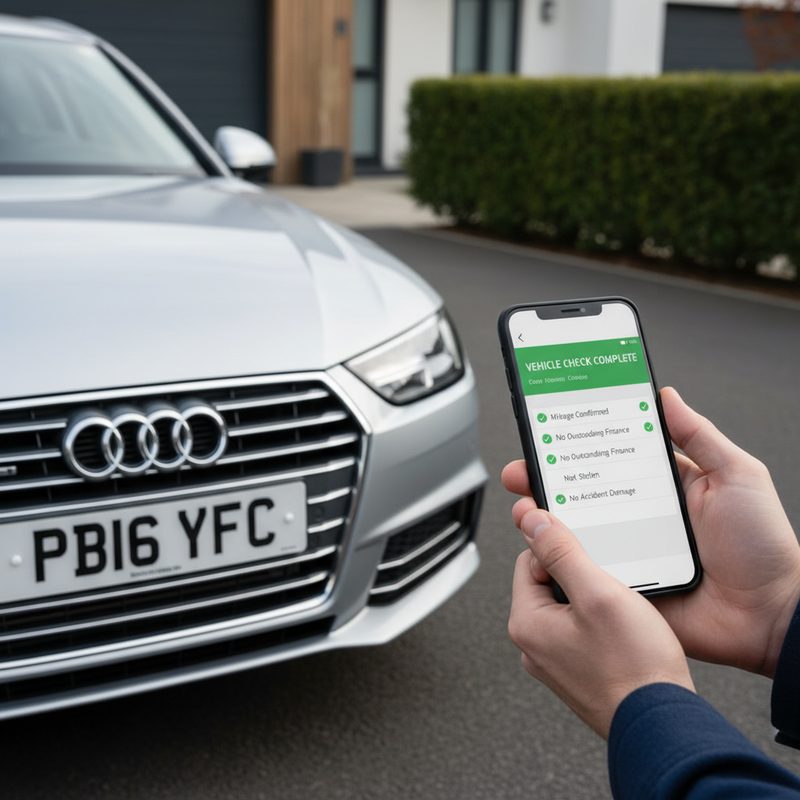
How to Check If a Car Has Been Stolen — Free and Paid Checks
Ensure your next used car purchase is safe by learning how to check if it has been stolen. Explore both free and paid methods to safeguard your investment.
Introduction
Buying a used car can be an exhilarating experience, but it can also be fraught with risks, especially when it comes to the possibility of purchasing a stolen vehicle. Imagine driving away in your dream car, only to find out later that it was reported stolen. Not only would you lose your money, but you could also face legal troubles. So, how can you ensure that the car you’re eyeing isn’t on the wrong side of the law? Let’s dive into the various methods you can use to check if a car has been stolen, both free and paid, and arm you with the knowledge to make a smart purchase.
Understanding the Importance of Vehicle Checks
Why should you care about whether a car has been stolen? Well, for starters, buying a stolen vehicle can lead to serious consequences. If the police seize the car, you could lose your investment and be left without a vehicle. Additionally, if the car has been involved in criminal activities, you might find yourself facing legal issues you never anticipated.
So, what’s the solution? Conducting thorough checks before you buy is crucial. Not only does it protect your investment, but it also gives you peace of mind. After all, who wants to drive around in a car that could potentially have a shady past?
Free Checks to Spot Stolen Cars
1. The Police National Computer (PNC)
One of the most reliable resources for checking if a vehicle has been reported stolen is the Police National Computer (PNC). This database contains information about all vehicles that have been reported stolen across the UK. While you can’t access the PNC directly, you can contact your local police force to request a check.
How to do it:
- Contact your local police station: Call or visit them and provide the vehicle registration number.
- Provide details: Be prepared to give information about the car, such as the make, model, and colour.
What it means:
If the car is listed as stolen, you’ll receive confirmation, and you should walk away from the deal immediately. If it’s clear, you can proceed with further checks.
2. DVLA Vehicle Information Check
The Driver and Vehicle Licensing Agency (DVLA) offers a free online service where you can check the registration details of a vehicle. While this won’t directly tell you if a car is stolen, it can help verify if the details match what the seller has provided.
How to do it:
- Visit the DVLA website: Navigate to their vehicle information checker.
- Enter the registration number: Input the car’s registration number to access its details.
What it means:
If the details don’t match, such as the make, model, or colour, it could be a sign that something is amiss. This discrepancy may indicate that the car has been stolen or that the seller is trying to pull a fast one.
3. Online Forums and Social Media Groups
Believe it or not, online communities can be a treasure trove of information. Many local groups on social media platforms focus on stolen vehicles, where members share details about stolen cars in their area.
How to do it:
- Join local groups: Search for groups related to your area and vehicle theft.
- Post inquiries: If you have a specific car in mind, ask if anyone has seen it reported as stolen.
What it means:
While this method isn’t foolproof, it can provide additional context. If a car has recently been stolen in your area, there’s a chance someone in the group might have information.
Paid Checks for Comprehensive Security
1. HPI Check
For a more thorough investigation, consider running an HPI check. This service provides detailed information about a vehicle’s history, including whether it has been stolen, written off, or has outstanding finance.
How to do it:
- Visit the HPI website: Go to their official site and enter the vehicle registration number.
- Pay the fee: Typically, an HPI check costs around £20 to £30.
What it means:
An HPI check can reveal red flags that free checks might miss. If the vehicle has been reported stolen, you’ll receive an alert, allowing you to avoid a potentially costly mistake.
2. Experian AutoCheck
Experian AutoCheck is another reputable service that offers vehicle history reports. Similar to HPI, it provides insights into whether a car has been stolen, its previous owners, and any outstanding finance.
How to do it:
- Go to the Experian website: Enter the vehicle registration number.
- Select your report: Choose the type of report you want, usually starting around £20.
What it means:
Experian’s report can give you a comprehensive view of the vehicle’s history, helping you make an informed decision. If it flags the car as stolen, you’ll want to steer clear.
What Ignoring These Checks Could Cost You
Let’s get real for a moment. Ignoring these checks can have serious financial implications. If you buy a stolen vehicle, you could lose your entire investment, which can range from a few hundred to several thousand pounds, depending on the car’s value.
Moreover, if the police seize the vehicle, you may not only lose your money but also face legal fees if you need to contest the seizure. In some cases, you might even be liable for any damages or fines associated with the vehicle’s previous use.
In short, the cost of ignorance can be astronomical. Why risk it when a few simple checks can save you from a world of trouble?
How to Protect Yourself
1. Always Verify the Seller
Before you even think about making a purchase, verify the seller’s identity. Ask for their ID and proof of ownership. If they seem hesitant or can’t provide the necessary documents, consider it a major red flag.
2. Meet in a Safe Location
When meeting a seller, choose a public place with plenty of people around. This not only ensures your safety but also allows you to inspect the car thoroughly without feeling rushed or pressured.
3. Get a Professional Inspection
If you’re serious about a car, consider hiring a professional mechanic to inspect it before you buy. They can identify potential issues that you might miss, including signs of tampering that could indicate a stolen vehicle.
4. Trust Your Instincts
If something feels off about the deal, trust your gut. Whether it’s a price that seems too good to be true or a seller who’s overly eager to close the deal, don’t ignore your instincts.
Dave’s Verdict: Deal-Breaker or Manageable?
In the world of used cars, the possibility of buying a stolen vehicle is a significant red flag. However, with the right checks and precautions, it can be manageable. If you conduct thorough checks using both free and paid methods, you can significantly reduce your risk.
But remember, if you find any indication that the vehicle has been stolen, it’s a deal-breaker. Walk away and keep searching. There are plenty of legitimate cars out there waiting for you!
Conclusion
In conclusion, checking if a car has been stolen is an essential step in the used car buying process. With a mix of free and paid checks, you can protect yourself from potential pitfalls and make a smart investment. Don’t let excitement cloud your judgment; take the time to do your due diligence. After all, it’s better to be safe than sorry. So, before you hand over your hard-earned cash, run a free vehicle check with Dave and spot any red flags instantly. Your future self will thank you!
Run a free vehicle check with Dave to spot red flags instantly
Get Dave's free AI-powered vehicle check before you make a decision.