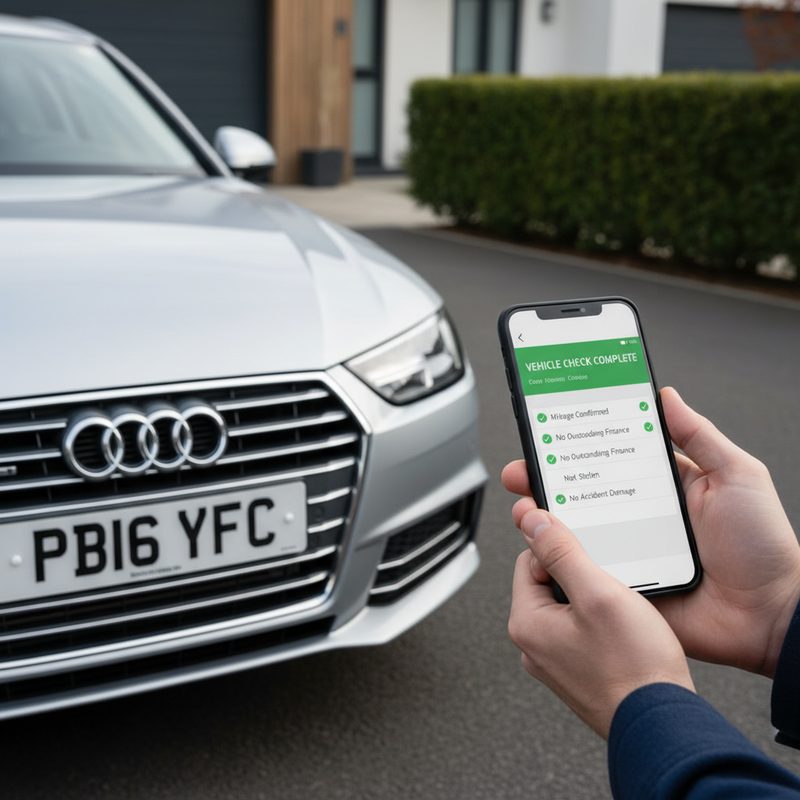
How to Check If a Used Car Has Outstanding Finance
Discover essential steps to identify outstanding finance on used cars, ensuring a safe purchase and avoiding hidden costs.
Understanding Outstanding Finance on Used Cars
When considering the purchase of a used car, one of the most critical aspects to investigate is whether the vehicle has outstanding finance. This situation arises when a car is still under a finance agreement, which means the seller does not legally own the vehicle outright. If you buy a car with outstanding finance, you could face significant financial repercussions, including the risk of the vehicle being repossessed by the finance company. Understanding how to identify and address this issue is essential for any potential buyer.
Outstanding finance can take various forms, including hire purchase (HP), personal contract purchase (PCP), and leasing agreements. Each of these arrangements allows the buyer to use the car while making regular payments, but the finance company retains ownership until the final payment is made. If the seller has not settled the finance, the car remains the property of the finance company, and they have the right to reclaim it at any time.
How to Spot Outstanding Finance
Conducting a Vehicle Check
The most straightforward method to check for outstanding finance is to conduct a vehicle check. Several online services offer this facility, allowing you to enter the car's registration number and receive a report detailing its financial status. These checks typically include information about whether the car is subject to any finance agreements, along with other crucial details such as previous ownership, mileage discrepancies, and whether the vehicle has been reported as stolen.
When using these services, look for reputable providers such as the DVLA, HPI Check, or Experian. A comprehensive vehicle check can cost between £10 to £30, depending on the depth of the report. This small investment can save you from a potentially costly mistake.
Reviewing Documentation
In addition to running a vehicle check, reviewing the car's documentation can provide insights into its financial status. Ask the seller for the following documents:
- V5C Registration Document: This document should list the current owner. If the name on the V5C does not match the seller's, it could indicate that the car is still under finance.
- Finance Agreement: If the seller is upfront about the car being under finance, request to see the original finance agreement. This document will outline the terms of the finance, including any remaining payments.
- MOT Certificates and Service History: These documents can help verify the car's history and maintenance, providing additional context to its condition and ownership.
Asking the Right Questions
When meeting with the seller, ask direct questions about the car's financial status. Inquire whether the vehicle has any outstanding finance and if they have settled any finance agreements. A reputable seller should be willing to provide this information. If they seem evasive or defensive, it could be a red flag.
Implications for the Car's Condition and Value
Financial Risks
If you purchase a car with outstanding finance, you may not only lose the vehicle but also face financial repercussions. The finance company has the right to reclaim the car, leaving you without a vehicle and potentially out of pocket for any payments made. This scenario is particularly concerning if you have already invested in insurance or repairs.
Impact on Resale Value
A vehicle with outstanding finance may also have a lower resale value. If you manage to keep the car despite the finance, potential buyers will be wary of purchasing a vehicle that has a history of outstanding finance. This situation can lead to a decrease in demand, making it harder to sell the car later.
Legal Consequences
In some cases, buying a car with outstanding finance can lead to legal issues. If the finance company repossesses the vehicle, they may pursue you for any remaining balance on the finance agreement, especially if the car is sold for less than the outstanding amount. This situation can lead to a lengthy and costly legal battle, making it essential to ensure that the vehicle is free from finance before making a purchase.
Real Cost Implications of Ignoring Outstanding Finance
Financial Losses
Ignoring the possibility of outstanding finance can lead to significant financial losses. For instance, if you purchase a car for £10,000 that is later repossessed, you could lose that entire amount. Additionally, if you have taken out a loan to finance the purchase, you may still be responsible for repaying that loan, even if you no longer have the vehicle.
Repair and Maintenance Costs
If the car is repossessed, you may also incur costs related to repairs and maintenance. For example, if you have invested in new tyres, brakes, or other essential repairs, you will not be able to recover those costs once the vehicle is taken back by the finance company.
Insurance and Registration Fees
Furthermore, you may have already paid for insurance and registration fees for the vehicle. These costs are typically non-refundable, meaning you could lose money on both the purchase and the associated expenses. In total, the financial implications of ignoring outstanding finance can add up to thousands of pounds.
Protecting Yourself from Outstanding Finance
Use Vehicle Check Services
The best way to protect yourself is to use vehicle check services before making a purchase. These checks can reveal any outstanding finance and provide you with peace of mind. Make this a non-negotiable step in your car-buying process.
Verify Seller Information
Always verify the seller's information against the car's documentation. Ensure that the name on the V5C matches the seller's name. If there are discrepancies, do not proceed with the purchase until you have clarified the situation.
Request a Settlement Statement
If the seller admits that the car has outstanding finance, ask for a settlement statement from the finance company. This document will outline how much is left to pay on the finance agreement. If the seller is unwilling or unable to provide this information, it is a significant red flag.
Consider Escrow Services
For added security, consider using an escrow service when completing the transaction. An escrow service holds the funds until you have confirmed that the car is free from outstanding finance and the seller has provided all necessary documentation. This method can protect both parties and ensure a smoother transaction.
Dave's Verdict: Deal-Breaker or Manageable?
In conclusion, outstanding finance on a used car is a serious red flag that should not be ignored. The financial implications of purchasing a vehicle with outstanding finance can be severe, leading to potential losses and legal issues. However, if you take the necessary precautions, such as conducting a vehicle check and verifying documentation, you can mitigate these risks.
If you discover that a car has outstanding finance, it is generally best to walk away from the deal. The risks far outweigh any potential benefits. Remember, there are plenty of vehicles available on the market that are free from financial encumbrances. Protect yourself and your investment by ensuring that any car you consider is free from outstanding finance.
Final Thoughts
The used car market can be fraught with risks, but being informed and vigilant can help you avoid costly mistakes. Always run a free vehicle check with Dave to spot red flags instantly and ensure that your next car purchase is a sound investment. By taking these steps, you can drive away with confidence, knowing that you have made a wise choice.
Run a free vehicle check with Dave to spot red flags instantly
Get Dave's free AI-powered vehicle check before you make a decision.