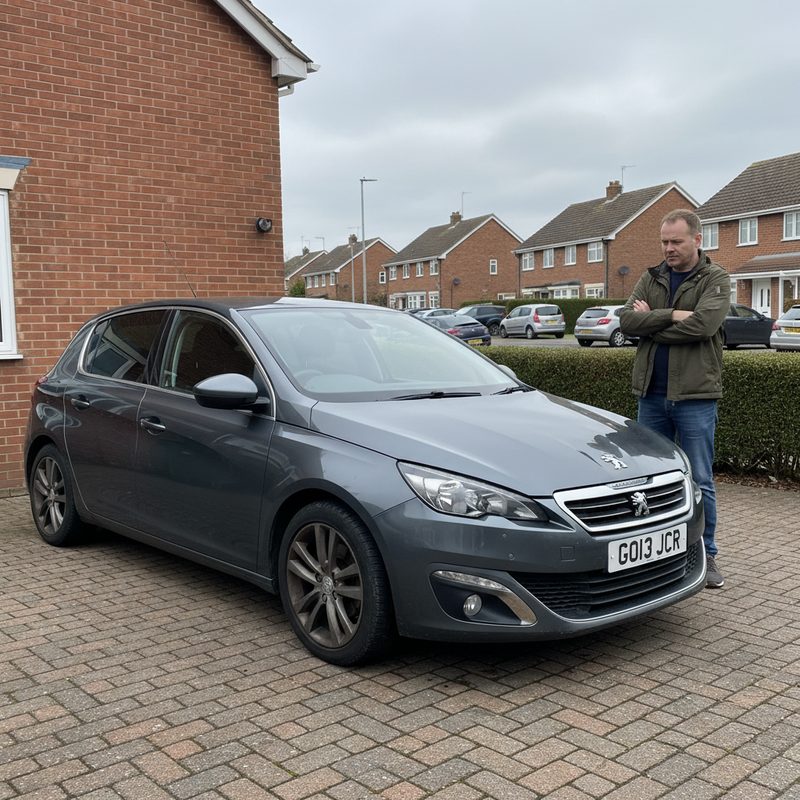
How to Spot a Cut and Shut Car — Warning Signs
Discover the warning signs of cut and shut cars and how to protect yourself from potential fraud when buying used vehicles.
Understanding Cut and Shut Cars
When it comes to buying a used car, one of the most alarming red flags you may encounter is the cut and shut vehicle. This term refers to a car that has been illegally repaired by combining two damaged vehicles into one. Often, these cars are sold without disclosing their true history, leaving unsuspecting buyers at risk of serious financial loss and safety hazards. In this guide, we’ll explore [How to](/guides/red-flags/how-to-spot-a-clocked-car-daves-complete-guide) spot a cut and shut car, the implications of ignoring these warning signs, and how to protect yourself from falling victim to this type of fraud.
What Makes a Car a Cut and Shut?
A cut and shut car typically involves taking the front end of one vehicle and attaching it to the rear end of another. This practice is not only illegal but also highly dangerous, as it can compromise the structural integrity of the vehicle. These cars are often sold at a lower price, making them tempting for buyers who are looking for a bargain. However, the hidden costs and risks associated with these vehicles can far outweigh the initial savings.
The Risks of Buying a Cut and Shut Car
Purchasing a cut and shut vehicle can lead to numerous problems, including:
- Safety Hazards: The structural integrity of the car is compromised, which can lead to catastrophic failures during an accident.
- Legal Issues: Owning a cut and shut car can lead to legal repercussions, including fines or penalties for possessing a vehicle that does not meet safety standards.
- Financial Loss: If the car is discovered to be cut and shut, you may struggle to sell it in the future, leading to significant depreciation in value.
How to Spot a Cut and Shut Car
Identifying a cut and shut car requires a keen eye and attention to detail. Here are some practical checks you can perform to spot potential red flags:
If you are weighing up alternatives, our guide to How to Spot a Used Car Scam Online UK covers similar ground from a different angle.
1. Examine the Vehicle’s History
Before you even set foot in a car, run a vehicle history check. Services like HPI Check or Experian can provide you with crucial information about the car’s past, including whether it has been written off or reported as stolen. If the vehicle has a history of being involved in an accident, it’s worth investigating further.
2. Look for Inconsistent Panel Gaps
One of the most telling signs of a cut and shut car is inconsistent panel gaps. When two vehicles are combined, the alignment of the panels may not match up correctly. Check the gaps between the doors, boot, and bonnet. If you notice uneven spacing or misaligned panels, this could indicate that the car has been tampered with.
3. Inspect the Welds and Joints
A thorough inspection of the welds and joints can reveal a lot about the car’s history. Look for signs of amateur welding or repairs, such as uneven welds or excessive rust around the joints. Professional repairs should be clean and consistent, while shoddy work can indicate a cut and shut job.
For more on this topic, take a look at our How to Avoid Buying a Car With a Cloned VIN guide.
4. Check for Paint Discrepancies
If the car has been painted after repairs, you might notice differences in the paint texture or colour. Look for overspray on windows, lights, and other areas that should not be painted. Additionally, if the car has been resprayed, it may indicate that it has undergone significant repairs, which could include a cut and shut.
5. Assess the VIN (Vehicle Identification Number)
Every car has a unique VIN that should be consistent across various parts of the vehicle, including the dashboard, engine, and chassis. If you find discrepancies in the VIN or if it has been tampered with, this is a major red flag. Always verify the VIN against the vehicle history report.
6. Inspect the Interior
A cut and shut car may also show signs of mismatched interior components. Check for inconsistencies in the upholstery, dashboard, and other interior features. If the interior looks like it has been pieced together from different vehicles, it’s a strong indication that the car has been cut and shut.
You might also find our How to Spot a Taxi or Rental Car Being Sold Private guide useful alongside this one.
What Ignoring These Signs Could Mean for You
Ignoring the warning signs of a cut and shut car can have serious financial implications. Here are some potential costs you could face:
1. Repair Costs
If you purchase a cut and shut vehicle, you may find yourself facing unexpected repair costs. The compromised structure can lead to issues with the suspension, steering, and other critical systems, resulting in expensive repairs that could easily run into thousands of pounds.
2. Decreased Resale Value
A cut and shut car is likely to have a significantly lower resale value. If you try to sell it in the future, you may struggle to find a buyer, or you may have to sell it at a loss. Cars with a questionable history are often viewed with suspicion, making them difficult to offload.
We have covered related ground in our Why Is This Car So Cheap guide, which is worth reading if this subject interests you.
3. Insurance Complications
If your cut and shut car is involved in an accident, your insurance company may refuse to pay out if they discover the vehicle’s true history. This could leave you financially responsible for damages and injuries, which can be devastating.
4. Legal Consequences
Owning a cut and shut car can lead to legal repercussions, including fines or penalties. If the vehicle does not meet safety standards, you could face issues with the police or local authorities, resulting in additional costs and headaches.
How to Protect Yourself
To avoid the pitfalls of buying a cut and shut car, consider the following protective measures:
1. Conduct Thorough Research
Before making a purchase, do your homework. Research the make and model of the car you’re interested in, and check for common issues associated with that vehicle. Knowledge is power, and being informed can help you spot potential red flags.
You can check the exact safety score for any model on the Euro NCAP website.
2. Get a Professional Inspection
If you’re serious about a particular vehicle, consider hiring a professional mechanic to conduct a thorough inspection. They can identify issues that you may overlook and provide you with an unbiased assessment of the car’s condition.
3. Trust Your Gut
If something feels off about a car or the seller, trust your instincts. If the deal seems too good to be true, it probably is. Don’t be afraid to walk away if you have any doubts.
4. Use Vehicle Check Services
Utilise services like Vehicle Intelligence to run a free vehicle check. This can help you spot red flags instantly and give you peace of mind before making a purchase. It’s a small investment that can save you a fortune in the long run.
You can look up the exact insurance group for any car on Thatcham's website before getting quotes.
Dave's Verdict — Deal-Breaker or Manageable?
In my expert opinion, the presence of any signs indicating a cut and shut car should be treated as a deal-breaker. The risks associated with these vehicles far outweigh any potential savings. While some issues can be managed with proper repairs, the fundamental integrity of a cut and shut car is compromised, making it a dangerous choice for any buyer.
In conclusion, being vigilant and informed is your best defence against purchasing a cut and shut car. By conducting thorough checks, trusting your instincts, and utilising professional services, you can protect yourself from the pitfalls of this type of fraud. Remember, it’s always better to walk away from a questionable deal than to risk your safety and financial well-being. Run a free vehicle check with Dave today to ensure you’re making a smart investment in your next used car.
Run a free vehicle check with Dave to spot red flags instantly
Get Dave's free AI-powered vehicle check before you make a decision.