How to Check a Used Car's Real Mileage — Free Tools
Discover essential methods to check a used car's real mileage, ensuring you avoid potential fraud and make an informed purchase.
Understanding the Importance of Accurate Mileage
When buying a used car, one of the most critical factors to consider is its mileage. The mileage of a vehicle can significantly affect its value, performance, and longevity. Unfortunately, odometer fraud, commonly known as 'clocking', is a prevalent issue in the used car market. Unscrupulous sellers may tamper with the odometer to make a vehicle appear less used than it actually is, leading buyers to pay more than they should. This guide will help you understand How to check a used car's real mileage using free tools and methods, ensuring you make a smart purchase.
How to Spot Odometer Fraud
Odometer fraud is not just a minor issue; it can lead to serious financial consequences. A car that has been clocked may have hidden mechanical problems due to excessive wear and tear that the seller is attempting to conceal. Here are some practical ways to spot potential odometer fraud:
If you are weighing up alternatives, our guide to Private Seller Red Flags covers similar ground from a different angle.
Visual Inspection
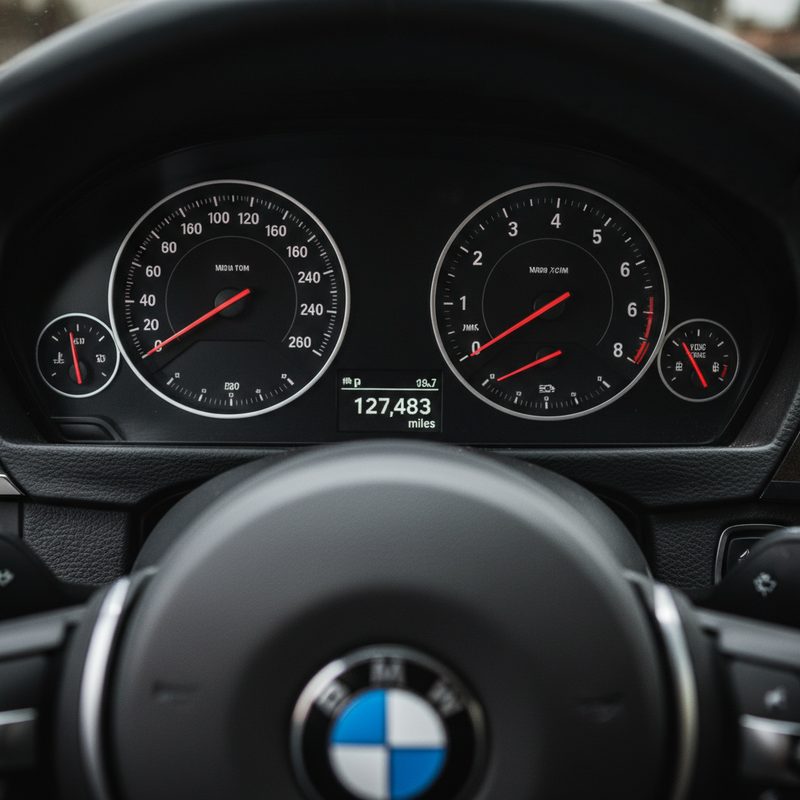
Start by examining the odometer itself. Look for signs of tampering, such as scratches around the odometer or misaligned numbers. If the digits seem inconsistent or if the odometer is unusually clean compared to the rest of the dashboard, it could be a red flag.
Service History
Request the car’s service history. A well-maintained vehicle should have regular service records that include mileage readings. If the mileage on the service records doesn’t match the current odometer reading, you may be dealing with a clocked car. Check for discrepancies in the mileage reported during MOT tests, which can be accessed via the GOV.UK MOT history website.
Mileage Consistency
Consider the mileage in relation to the car's age. If a vehicle is several years old but has low mileage (for example, under 30,000 miles), it might raise suspicion. Conversely, a high mileage car that appears in excellent condition may also warrant further investigation.
Free Tools to Check Mileage
There are several free tools available that can help you verify a used car's mileage. These tools can provide you with crucial information that may not be available through a simple visual inspection.
For more on this topic, take a look at our Dealer Red Flags guide.
DVLA Vehicle Check
The DVLA vehicle check is one of the most reliable resources for checking a car's history, including its mileage. By entering the vehicle registration number, you can access information about the car's MOT history, tax status, and any recorded mileage at the time of each MOT test. This can help you identify any discrepancies in the reported mileage.
Online Marketplaces
Websites like AutoTrader often list cars with detailed descriptions, including mileage. You can compare the listed mileage with the average mileage for similar vehicles. This can give you a clearer picture of whether the mileage is reasonable or suspicious.
MOT History
As mentioned earlier, the MOT history is a goldmine of information. Each time a vehicle undergoes an MOT, the recorded mileage is documented. By checking the MOT history, you can track the mileage over the years. If you notice that the mileage has decreased or remained static over several years, it could indicate tampering. Use the GOV.UK MOT history tool to access this information.
What Mileage Discrepancies Mean for the Car's Condition
Understanding the implications of mileage discrepancies is crucial. A car that has been clocked may have hidden issues that can lead to costly repairs down the line. Here’s what you need to consider:
You might also find our PCP Finance on Used Cars guide useful alongside this one.
Mechanical Wear and Tear
Higher mileage typically correlates with more wear and tear on a vehicle. If a car has been clocked to show lower mileage, it may have experienced more mechanical stress than indicated. This could lead to premature failures in critical components like the engine, transmission, and suspension.
Resale Value
If you unknowingly purchase a clocked car, you may find it difficult to sell later on. Buyers are becoming increasingly savvy, and a vehicle with a questionable mileage history can significantly reduce its resale value. In some cases, you may even struggle to sell it at all.
Insurance Implications
Insurance companies often consider mileage when determining premiums. A car with artificially low mileage may be viewed as a higher risk, leading to increased insurance costs. Additionally, if you need to make a claim, the insurer may investigate the vehicle's history, potentially leading to complications if the mileage is found to be inaccurate.
Real Cost Implications of Ignoring Mileage Checks
Ignoring the importance of checking a used car's mileage can lead to significant financial consequences. Here’s a breakdown of potential costs:
We have covered related ground in our How to Check If a Car Has Been Stolen guide, which is worth reading if this subject interests you.
Repair Costs
If you purchase a car with a clocked odometer, you may face unexpected repair bills. For instance, if the vehicle has been driven significantly more than indicated, you might need to replace parts like the clutch or brakes sooner than expected. Depending on the make and model, these repairs can range from a few hundred to several thousand pounds.
Depreciation
A vehicle with a questionable mileage history will depreciate faster than one with a clear and honest record. If you plan to sell the car in the future, you may find that its value has plummeted due to its hidden history. This could mean losing thousands of pounds when it comes time to sell.
Insurance Costs
As mentioned earlier, insurance premiums can be affected by mileage discrepancies. If your insurer discovers that the mileage is inaccurate, they may adjust your premium accordingly. This could lead to higher monthly payments or even complications when filing a claim.
How to Protect Yourself from Mileage Fraud
Taking proactive steps can help you avoid falling victim to mileage fraud. Here are some practical tips:
Before buying, you can check the exact road tax cost on GOV.UK using the registration number.
Conduct Thorough Research
Before purchasing a used car, do your homework. Research the make and model to understand common issues and typical mileage for similar vehicles. This knowledge can help you spot red flags more easily.
Use Free Vehicle Checks
Utilise free tools like the DVLA vehicle check and MOT history to gather as much information as possible about the car's history. This can provide you with a clearer picture of the vehicle's mileage and condition.
Get a Professional Inspection
If you’re serious about a particular vehicle, consider having it inspected by a qualified mechanic. They can identify potential issues that may not be immediately apparent and can provide insight into whether the mileage seems consistent with the car's overall condition.
Trust Your Instincts
If something feels off about a car or the seller, don’t hesitate to walk away. There are plenty of vehicles on the market, and it’s better to be patient than to rush into a potentially costly mistake. For example, if the seller is evasive about providing documentation or seems overly eager to close the deal, it may be a sign to reconsider.
Dave's Verdict: Deal-Breaker or Manageable?
In my experience, discrepancies in a used car's mileage are a significant red flag. While some minor inconsistencies can be explained, a vehicle with a history of clocking is a deal-breaker in most cases. The potential for hidden issues and financial loss far outweighs any initial savings you might perceive.
You can look up the exact insurance group for any car on Thatcham's website before getting quotes.
Always remember: a thorough check can save you from a world of trouble. Don’t skip the free tools available to you, and never hesitate to ask questions. If you’re unsure about a vehicle’s history, consider running a free vehicle check with Dave to spot red flags instantly. It’s better to be safe than sorry when it comes to your hard-earned money.
Conclusion
Checking a used car's real mileage is a crucial step in the buying process. By utilising free tools and conducting thorough research, you can protect yourself from the pitfalls of odometer fraud. Remember to trust your instincts, and don’t rush into a purchase without verifying the vehicle's history. With the right approach, you can find a reliable used car that meets your needs without falling victim to costly mistakes. Always stay vigilant, and happy car hunting!
Run a free vehicle check with Dave to spot red flags instantly
Get Dave's free AI-powered vehicle check before you make a decision.