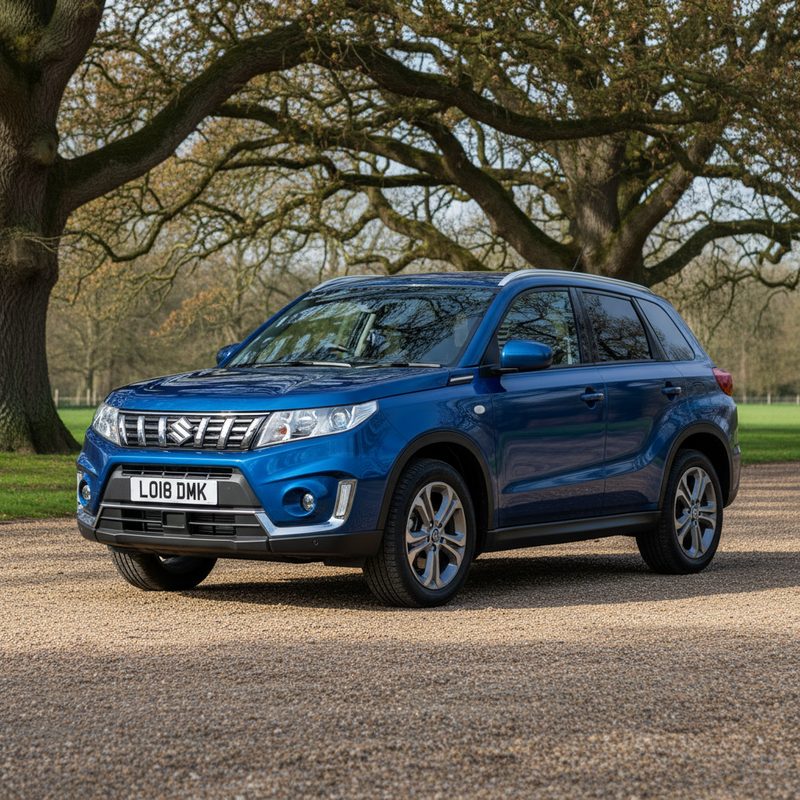
Suzuki Vitara at 60,000 Miles: Budget SUV Check
Thinking about a Suzuki Vitara with 60,000 miles on the clock? This guide covers what to expect, common issues, and tips for making a smart purchase.
Introduction
So, you’re eyeing a Suzuki Vitara with 60,000 miles on the clock? Good choice! The Vitara is a solid little SUV that’s got a reputation for reliability and practicality. But before you dive in, it’s essential to understand what you’re getting into at this mileage. In this guide, we’ll break down what to expect from a Suzuki Vitara at this stage in its life, the components that might need attention, pricing expectations, potential red flags in the MOT history, and ultimately, whether it’s worth the risk or if you should walk away. Let’s get started!
What to Expect from a Suzuki Vitara at 60,000 Miles
When you’re looking at a Suzuki Vitara that’s hit the 60,000-mile mark, you’re generally looking at a vehicle that’s still got plenty of life left in it. The Vitara is known for its durability, and many owners report that their cars continue to run well beyond 100,000 miles with proper maintenance. At 60,000 miles, you can expect the following:
Performance and Handling
The Vitara is designed to be a versatile SUV, and at this mileage, it should still handle well. You can expect a comfortable ride, responsive steering, and decent off-road capabilities if you’re into that sort of thing. However, be mindful that the suspension components may start to show signs of wear, particularly if the vehicle has been used for off-roading or on rough terrain. Check for any knocking noises when driving over bumps, as this could indicate worn shock absorbers or bushings.
Fuel Efficiency
Fuel efficiency is another crucial factor to consider. The Vitara generally offers good fuel economy, especially with the smaller engines. At 60,000 miles, you should still see figures around 40-50 mpg, depending on the engine type and driving conditions. However, if the vehicle has been poorly maintained, you might notice a dip in fuel efficiency, so keep an eye out for any unusual consumption patterns.
Interior Condition
The interior of a Suzuki Vitara at this mileage should still be in decent shape, but it’s worth checking for wear and tear. Look for signs of excessive wear on the seats, dashboard, and controls. If the previous owner has taken good care of the vehicle, you’ll find that the materials hold up well, but if it’s been neglected, you might see scuffs, tears, or fading. A thorough inspection of the interior can give you a good idea of how well the car has been looked after.
Components That Typically Need Attention at This Mileage
While the Suzuki Vitara is generally reliable, there are certain components that may require attention as it approaches 60,000 miles. Here’s a rundown of what to keep an eye on:
Timing Belt/Chain
Depending on the engine variant, the Vitara may have a timing belt or a timing chain. If it has a timing belt, it’s crucial to check whether it has been replaced around the 60,000-mile mark, as most manufacturers recommend changing it every 60,000 to 100,000 miles. A failed timing belt can lead to catastrophic engine damage, so don’t overlook this!
Brakes
Brakes are another area to inspect closely. At 60,000 miles, the brake pads may be nearing the end of their lifespan, especially if the vehicle has been driven in a hilly area or has seen a lot of stop-and-go traffic. Check the thickness of the pads and the condition of the discs. If you hear squeaking or grinding noises when braking, it’s a sign that they need attention.
Tyres
Tyres should also be inspected for tread wear and age. Look for uneven wear patterns, which could indicate alignment issues or suspension problems. The legal minimum tread depth is 1.6mm, but for safety and performance, it’s best to have at least 3mm. If the tyres are older than five years, consider replacing them, regardless of tread depth, as rubber degrades over time.
Suspension Components
As mentioned earlier, the suspension components might start to show wear. Check for any leaks in the shock absorbers and inspect the bushings for cracks or deterioration. If you notice any unusual noises or a bouncy ride, it might be time to replace some parts.
Fluids and Filters
At this mileage, it’s a good idea to check the condition of various fluids, including engine oil, coolant, brake fluid, and transmission fluid. Ensure that regular oil changes have been performed, as neglecting this can lead to engine wear. Also, check the air and fuel filters; if they haven’t been changed recently, it’s worth doing so to maintain optimal performance.
Is the Price Usually Right for This Mileage? What Discount to Expect
When it comes to pricing, a Suzuki Vitara at 60,000 miles can vary significantly based on factors like age, condition, and service history. Generally, you can expect to pay between £10,000 and £15,000 for a well-maintained model at this mileage. However, here are some tips to ensure you’re not overpaying:
Market Research
Before making a purchase, do your homework. Check online classifieds, dealer listings, and auction sites to get a feel for the going rate for similar models in your area. This will give you a baseline to work from when negotiating.
Service History
A full service history can add value to a used car, especially if it shows that the vehicle has been well cared for. If the seller can provide documentation of regular maintenance, you may be justified in paying a bit more. Conversely, if the service history is sparse or non-existent, you might want to negotiate a lower price.
Discounts for Repairs
If you’ve identified any issues during your inspection, use these as bargaining chips to negotiate a better price. For example, if the brake pads need replacing or the tyres are worn, you can reasonably ask for a discount to cover these upcoming costs.
Seasonal Factors
Keep in mind that the time of year can affect prices. For instance, SUVs tend to sell better in the winter months, so you might find prices are higher during this time. If you’re shopping in the summer, you might have more room to negotiate.
Red Flags in the MOT History at This Mileage
When considering a used Suzuki Vitara, checking the MOT history is crucial. A clean MOT history can indicate a well-maintained vehicle, while red flags can signal potential problems. Here are some things to look out for:
Frequent Failures
If you notice that the car has failed its MOT multiple times, it’s worth digging deeper into the reasons for these failures. Common issues like emissions failures or serious mechanical problems can be a sign that the vehicle has been neglected.
Advisory Notices
Advisories are not failures, but they indicate potential issues that may need attention soon. If you see multiple advisories, particularly for critical components like brakes or suspension, it’s a sign that you should approach with caution.
Mileage Discrepancies
Always check the recorded mileage on the MOT history against the mileage displayed on the odometer. If there are discrepancies, it could indicate tampering or that the vehicle has been clocked, which is a serious red flag.
Ownership Changes
Frequent changes in ownership can also be a warning sign. If the car has had multiple owners in a short period, it might suggest that there are underlying issues that other owners couldn’t tolerate.
Dave's Verdict: Worth the Risk or Walk Away?
So, is a Suzuki Vitara at 60,000 miles worth the investment? Generally speaking, yes, it can be a solid choice if you do your due diligence. The Vitara has a reputation for reliability, and many owners report that they can comfortably reach 100,000 miles and beyond with proper care.
However, it’s essential to approach the purchase with caution. Make sure to:
- Conduct a Thorough Inspection: Check all the components we discussed, and don’t hesitate to take the car for a test drive.
- Review the MOT History: Look for any red flags that could indicate potential issues.
- Negotiate Wisely: Use any identified issues to negotiate a fair price.
- Check the Service History: A well-documented service history can save you headaches down the line.
If everything checks out and the price is right, you could be looking at a fantastic budget SUV that serves you well for years to come. But if you spot significant issues or feel uneasy about the vehicle, it’s perfectly fine to walk away. There are plenty of other Suzuki Vitaras out there, and it’s better to be patient than to rush into a purchase you might regret.
Conclusion
In summary, a Suzuki Vitara at 60,000 miles can be a great budget-friendly SUV option, but it’s crucial to do your homework. By understanding what to expect, what components may need attention, and how to assess the pricing, you’ll be in a much better position to make an informed decision. Don’t forget to check the mileage history with my free report to ensure you’re making a smart investment. Happy car hunting, mate!