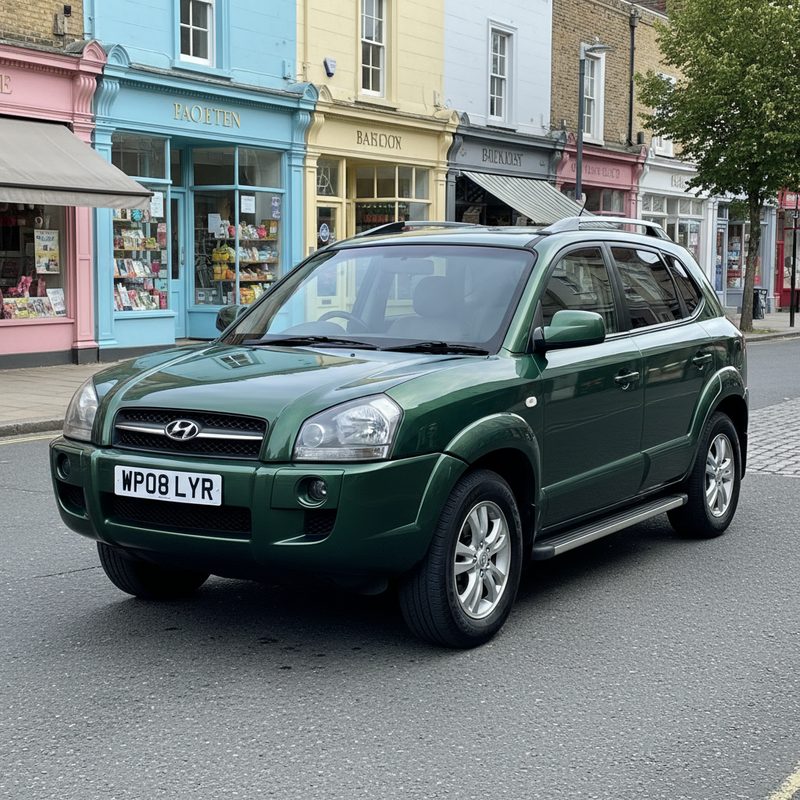
Hyundai Tucson With 60,000 Miles: Sweet Spot Buy
A Hyundai Tucson with 60,000 miles is often considered a sweet spot for used car buyers. This guide explores the mileage specifics, potential issues, and pricing insights.
The Sweet Spot: Why 60,000 Miles is Ideal for a Hyundai Tucson
When it comes to buying a used car, mileage is one of the most critical factors to consider. A Hyundai Tucson with around 60,000 miles strikes a balance between being well-used and still having plenty of life left in it. Why is this mileage considered the sweet spot? Well, at this point, the car has typically completed its initial break-in period, meaning the engine and other components are running smoothly. Plus, it’s often just past the first major service intervals, making it a prime candidate for a reliable used car purchase.
At 60,000 miles, you can expect the Tucson to have had its fair share of daily driving, but it’s also likely to have been well-maintained if the previous owner was diligent. Many owners of the Tucson tend to be family-oriented, which often translates to a more careful driving style. This means fewer hard accelerations and sudden stops, which can wear out components faster. So, if you’re eyeing a Tucson around this mileage, you’re likely looking at a vehicle that’s been treated with care.
What to Expect from a Hyundai Tucson at 60,000 Miles
So, what can you expect from a Hyundai Tucson that’s clocked 60,000 miles? First off, the Tucson is known for its durability and reliability, making it a popular choice among families and commuters alike. At this mileage, you should still find it comfortable and efficient, with many of the features that make it a standout in the compact SUV segment.
Performance and Fuel Economy
The Tucson typically offers a range of engines, from efficient petrol options to more robust diesel variants. At 60,000 miles, you can expect the petrol engines to deliver around 35-40 mpg, while the diesel engines might offer even better fuel economy, often exceeding 50 mpg. This makes the Tucson an economical choice for those who are conscious of running costs.
If you are weighing up alternatives, our guide to Mercedes C-Class at 60,000 Miles covers similar ground from a different angle.
Comfort and Features
By this mileage, the Tucson should still be in excellent condition in terms of comfort and features. Depending on the trim level, you might find leather seats, a decent infotainment system, and a range of safety features like lane assist and adaptive cruise control. These features not only enhance the driving experience but also contribute to the overall value of the vehicle.
Reliability
Hyundai has a strong reputation for reliability, and the Tucson is no exception. At 60,000 miles, many owners report minimal issues, provided the vehicle has been serviced regularly. However, it’s always wise to check the service history to ensure that the car has received the necessary maintenance. You can check the MOT history through the GOV.UK MOT history site to see if there have been any significant issues.
Components That Typically Need Attention at This Mileage
While the Tucson is generally reliable, certain components may require attention as it approaches and surpasses the 60,000-mile mark. Here’s what to keep an eye on:
For more on this topic, take a look at our Honda CR-V at 80,000 Miles guide.
Tyres and Brakes
Tyres are one of the first components to show wear, especially if the vehicle has been driven in varied conditions. At 60,000 miles, you should check the tread depth and look for any uneven wear patterns that might indicate alignment issues. The brakes, too, may need inspecting. Depending on driving habits, brake pads and discs can wear out, so it’s worth asking the seller about their condition.
Suspension and Steering
The suspension system can also start to show signs of wear at this mileage. Listen for any unusual noises when driving over bumps, as this could indicate worn shock absorbers or struts. Steering components should also be checked for any play or stiffness, which could affect handling.
Timing Belt/Chain
For some engine variants, the timing belt or chain may need attention around this mileage. While many modern engines use timing chains that are designed to last longer, it’s crucial to verify if the timing belt has been replaced if the Tucson has one. This can save you a hefty repair bill down the line.
You might also find our Mercedes A-Class at 60,000 Miles guide useful alongside this one.
Fluids and Filters
Regular oil changes are essential for any vehicle, and at 60,000 miles, you should ensure that the oil has been changed regularly. Additionally, check the condition of other fluids, such as coolant and brake fluid, as well as filters like the air and fuel filters. These are often overlooked but are vital for the longevity of your vehicle.
Is the Price Usually Right for This Mileage? What Discount to Expect
When it comes to pricing, a Hyundai Tucson with 60,000 miles can offer excellent value for money. In the current market, you might find prices ranging from £15,000 to £20,000, depending on the model year, trim level, and overall condition. But how do you know if you’re getting a fair deal?
Market Comparisons
It’s always a good idea to compare prices on platforms like AutoTrader to see what similar models are selling for. This will give you a benchmark for negotiations. If you find a Tucson priced significantly higher than similar models, it might be worth questioning the seller about the reasons for the price difference.
We have covered related ground in our VW Tiguan at 80,000 Miles guide, which is worth reading if this subject interests you.
Discounts and Negotiation
When negotiating, aim for a discount of around 5-10% off the asking price, especially if you’ve identified any minor issues during your inspection. Sellers are often willing to negotiate, especially if the car has been on the market for a while. Don’t hesitate to point out any wear and tear you’ve noticed to strengthen your position.
Red Flags in the MOT History at This Mileage
Checking the MOT history is crucial when considering a used Hyundai Tucson. At 60,000 miles, you should be particularly vigilant about any red flags that could indicate underlying issues. Here are some things to look for:
Frequent Failures
If the MOT history shows frequent failures or advisories, it could indicate that the car has been poorly maintained. Look for patterns in the failures; for example, repeated issues with emissions or brakes could suggest deeper problems.
You can check the exact safety score for any model on the Euro NCAP website.
Major Repairs
Any major repairs noted in the MOT history should raise a red flag. If the car has had significant work done, such as a new engine or transmission, it’s worth investigating further. While some repairs can be a sign of a well-maintained vehicle, others could indicate a history of neglect.
Mileage Discrepancies
Always check for discrepancies in the mileage recorded during MOT tests. If the mileage appears to jump significantly from one year to the next, this could indicate that the car has been clocked, which is illegal and could lead to serious issues down the line. You can verify the mileage through a DVLA vehicle check.
Dave's Verdict: Worth the Risk or Walk Away?
So, is a Hyundai Tucson with 60,000 miles worth the investment? Absolutely! Provided you do your due diligence, this mileage represents a sweet spot for buyers looking for a reliable and comfortable SUV. The Tucson is known for its solid build quality, and at this mileage, it often has plenty of life left in it.
However, always ensure that you check the service history and MOT records thoroughly. Look for signs of wear and tear, and don’t shy away from negotiating the price based on your findings. If everything checks out, you’re likely looking at a fantastic deal that should serve you well for years to come.
In conclusion, a Hyundai Tucson with 60,000 miles can be a smart buy if you’re aware of what to look for. Make sure to check any Tucson's mileage history with my free report to ensure you’re making a well-informed decision. Happy car hunting!