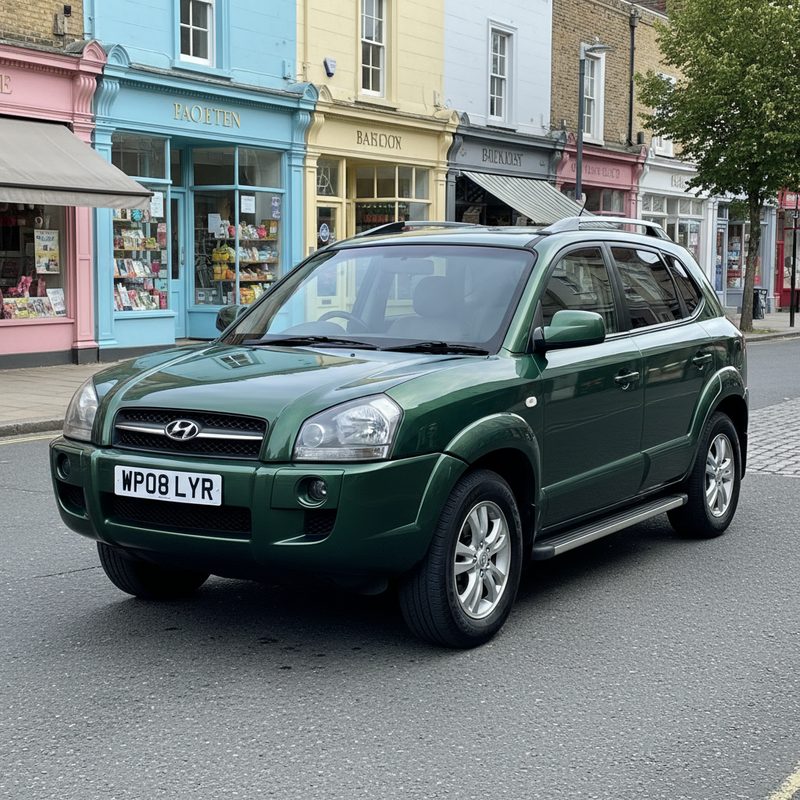
Hyundai Tucson at 80,000 Miles: Family SUV Health Check
Considering a Hyundai Tucson with 80,000 miles? This guide covers what to expect, common issues, price expectations, and more to help you make an informed decision.
Introduction
So, you’re eyeing a Hyundai Tucson that’s clocked up 80,000 miles? You’re not alone! The Tucson is a popular family SUV, known for its reliability, spacious interior, and decent fuel economy. But what does that mileage really mean for you as a potential buyer? Let’s dive into the nitty-gritty of what to expect from a Tucson at this stage in its life, the components that may need attention, and whether the price is right for what you’re getting.
What to Expect from This Car at This Mileage
At 80,000 miles, a Hyundai Tucson is often at a pivotal point in its lifecycle. This mileage is significant because it’s typically when many components start showing signs of wear and tear. However, the Tucson is built to last, and if it has been well-maintained, it can still offer plenty of life ahead.
First off, let’s talk about performance. You can expect the engine to still run smoothly if it has been serviced regularly. The Tucson is equipped with either a petrol or diesel engine, and both options are generally reliable. However, you might notice a slight dip in performance compared to a newer model, especially if the previous owner didn’t keep up with regular oil changes or used subpar fuel.
In terms of comfort, the interior should still feel relatively fresh, provided the upholstery hasn’t been excessively worn. The infotainment system, which includes features like Bluetooth connectivity and navigation, should still function well, but be wary of any software glitches or outdated maps.
Another aspect to consider is the vehicle’s handling. The Tucson is known for its smooth ride, but at 80,000 miles, you might start to feel some wear in the suspension components. This could manifest as a less stable ride or increased road noise, especially if the car has been driven on rough terrain.
Overall, if the Tucson has been looked after, you can expect a reliable family SUV that still has plenty of miles left in it. But don’t just take the seller’s word for it; always check the service history and get a feel for how the car has been treated.
Components That Typically Need Attention at This Mileage
When a Hyundai Tucson hits the 80,000-mile mark, there are several components that commonly require attention. Understanding these can save you from unexpected repair bills down the line.
1. Timing Belt and Water Pump
One of the most critical maintenance items is the timing belt, which should ideally be replaced around this mileage if it hasn’t been done already. A timing belt failure can lead to catastrophic engine damage, so it’s crucial to check whether this has been replaced. Along with the timing belt, the water pump is often replaced at the same time, as it’s accessible during the timing belt change. Expect to pay around £400 to £600 for this service, depending on your location and the garage you choose.
2. Brake Components
At 80,000 miles, the brake pads and discs may be nearing the end of their lifespan. Look for signs of wear, such as squeaking noises or a spongy brake pedal. Replacing brake pads can cost between £100 and £300, while discs can add another £150 to £300 to your bill. If you notice any issues during your test drive, it’s worth negotiating the price down or asking the seller to address these before you buy.
3. Suspension Components
The suspension system, including shock absorbers and struts, may also require inspection. If you notice excessive bouncing or a rough ride, it might be time for replacements. Costs can vary widely, but expect to pay around £300 to £800 for a full suspension overhaul.
4. Tyres
Tyres are another vital component to check. At this mileage, the tread depth may be getting low, and uneven wear could indicate alignment issues. Replacing tyres can cost anywhere from £200 to £600 for a full set, so make sure to factor this into your budget.
5. Battery
Finally, the battery is worth checking. While a well-maintained battery can last beyond 80,000 miles, it’s not uncommon for batteries to start failing around this point. If you notice any signs of sluggish starting or electrical issues, it might be time for a replacement, which typically costs around £100 to £200.
Is the Price Usually Right for This Mileage? What Discount to Expect
When it comes to pricing, a Hyundai Tucson at 80,000 miles can vary significantly based on factors like condition, service history, and location. Generally, you can expect to pay between £10,000 and £15,000 for a well-maintained model, depending on the trim level and optional features.
However, it’s essential to remember that mileage isn’t the only factor affecting price. The overall condition of the vehicle, including its service history and any previous accidents, can greatly influence its market value. If you find a Tucson with a clean MOT history and a full service record, it may command a higher price, but it’s worth it for peace of mind.
Discounts to Expect
If you’re looking at a Tucson with 80,000 miles, you should be prepared to negotiate. A reasonable discount for higher mileage might be around 10-15% off the asking price compared to similar models with lower mileage. For instance, if you’re looking at a Tucson priced at £12,000, aiming for a price closer to £10,800 to £11,000 is a fair expectation.
Additionally, if you notice any of the wear and tear items mentioned earlier, such as brake issues or worn tyres, use these as bargaining chips to negotiate a better deal. Remember, you’re not just buying a car; you’re investing in your family’s safety and comfort.
Red Flags in the MOT History at This Mileage
When considering a used Hyundai Tucson, the MOT history is a goldmine of information that can reveal potential red flags. At 80,000 miles, you should scrutinise the MOT history for any recurring issues or failures.
1. Frequent Failures
If the MOT history shows multiple failures, especially in critical areas like emissions, brakes, or steering, it could indicate that the vehicle has been poorly maintained. A well-cared-for Tucson should have a clean MOT history or only minor advisories.
2. Advisories
Pay close attention to any advisories listed in the MOT history. Common advisories at this mileage might include worn suspension components or minor brake issues. While not immediate concerns, they can signal that the vehicle may need attention soon, which could cost you down the line.
3. Mileage Discrepancies
Another red flag to watch for is any discrepancies in the recorded mileage. If the mileage on the MOT certificate doesn’t match the mileage on the odometer, it could indicate tampering. Always cross-check the mileage against service records and previous MOTs.
4. Lack of Service History
A lack of service history can also be a warning sign. If the seller cannot provide a comprehensive service record, it raises questions about how well the vehicle has been maintained. A Tucson that has missed regular servicing may have hidden issues that could cost you later.
Dave's Verdict: Worth the Risk or Walk Away?
So, is a Hyundai Tucson at 80,000 miles worth the investment? The answer isn’t straightforward, but it largely depends on the specific vehicle’s condition and history. If you find a Tucson that has been well-maintained, with a clean MOT history and all the necessary services completed, it can be a fantastic family SUV that still has plenty of life left.
However, if you encounter a Tucson with multiple red flags, such as a poor MOT history or signs of neglect, it’s best to walk away. Remember, you’re looking for a reliable family vehicle, not a project car that will drain your wallet.
Before making any decisions, always check the mileage history with my free report. It’s a quick and easy way to ensure you’re making a smart choice. After all, buying a used car should be an exciting experience, not a stressful one!
Conclusion
In conclusion, a Hyundai Tucson at 80,000 miles can still be a solid choice for families looking for a reliable and spacious SUV. Just make sure to do your due diligence by checking the service history, inspecting the vehicle thoroughly, and being aware of the common issues that can arise at this mileage. With the right approach, you can find a Tucson that will serve your family well for many more miles to come. Happy car hunting!