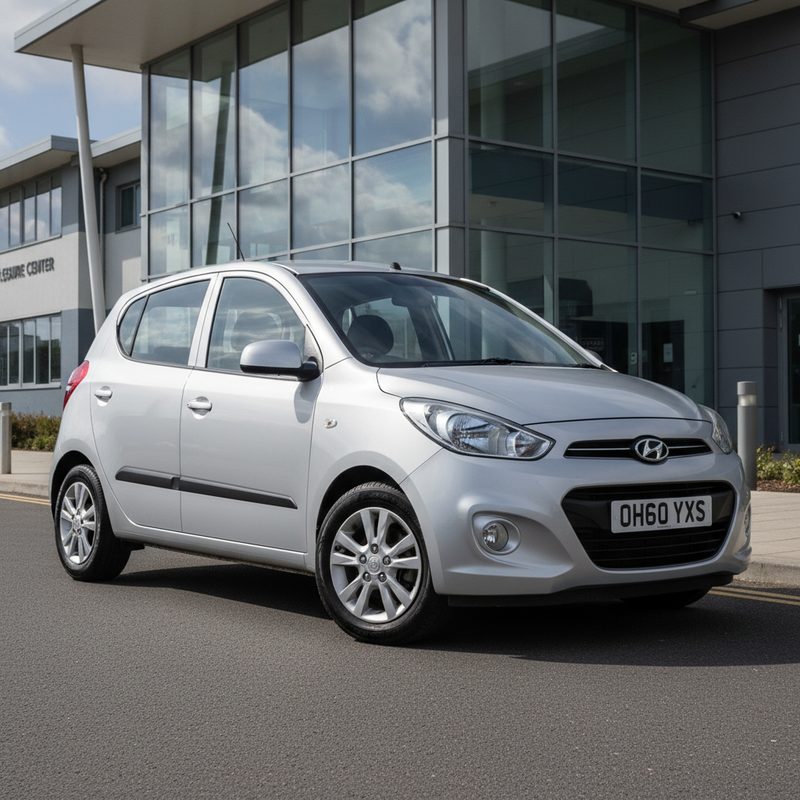
Hyundai i10 at 60,000 Miles: City Car Mileage Check
This guide covers what to expect from a Hyundai i10 at 60,000 miles, including common issues, pricing, and MOT history red flags.
Introduction
The Hyundai i10 has carved out a niche for itself as a reliable and economical city car, perfect for zipping around urban areas. However, when considering a used i10, especially one that has clocked around 60,000 miles, it’s essential to understand what this mileage means for the car’s condition and longevity. In this guide, we’ll delve into what to expect from a Hyundai i10 at this mileage, the components that typically need attention, pricing expectations, red flags in the MOT history, and ultimately, whether it’s worth the risk or time to walk away.
What to Expect from a Hyundai i10 at 60,000 Miles
At 60,000 miles, a Hyundai i10 is generally still in good shape, particularly if it has been well-maintained. Most owners of city cars like the i10 tend to use them for short trips, which can be easier on the engine than long-distance driving. However, this doesn’t mean that you should overlook potential issues.
Engine Performance
The i10 is equipped with a range of efficient petrol engines, typically ranging from 1.0 to 1.2 litres. By 60,000 miles, you should expect the engine to still perform well, but it’s wise to check for any signs of wear. Listen for any unusual noises, such as knocking or excessive rattling, which could indicate internal issues. Additionally, check for oil leaks, as these can become more common as the car ages.
Transmission
The i10 usually comes with either a manual or automatic transmission. At this mileage, the manual gearbox should still feel smooth, while the automatic may require a little more scrutiny. Look for any hesitation during gear changes, which could indicate wear on the transmission components. If the car has been driven predominantly in stop-and-go traffic, the transmission may show signs of wear sooner than expected.
Suspension and Steering
The suspension system is crucial for a comfortable ride, especially in a city car. At 60,000 miles, you might start to notice some wear on the shock absorbers and struts. Listen for any clunking noises when going over bumps, which could indicate that the suspension components need replacing. The steering should feel responsive; any play in the steering wheel could suggest worn components.
Components That Typically Need Attention at This Mileage
While the Hyundai i10 is known for its reliability, certain components may require attention as they approach or exceed the 60,000-mile mark. Here are some key areas to inspect:
Brake System
Brakes are one of the most critical safety components of any vehicle. By 60,000 miles, you should check the brake pads and discs for wear. If the pads are worn down to less than 3mm, they will need replacing. Listen for squeaking or grinding noises when braking, which can indicate that the pads are worn out. Additionally, inspect the brake fluid; if it appears dark or contaminated, it may need to be flushed and replaced.
Tyres
Tyres are another area that can show signs of wear at this mileage. Check the tread depth; ideally, it should be above 3mm for safe driving. Uneven wear can indicate alignment issues or suspension problems. If the tyres are older than five years, consider replacing them regardless of tread depth, as rubber degrades over time.
Timing Belt
The timing belt is a crucial component that often requires replacement around the 60,000-mile mark, depending on the specific model year and engine type. If the i10 you’re considering has not had the timing belt replaced, you may want to factor this cost into your budget. A timing belt failure can lead to catastrophic engine damage, so it’s better to be safe than sorry.
Battery
Batteries typically last between three to five years. If the i10 is approaching or has passed this age, it’s worth checking the battery’s condition. Look for signs of corrosion around the terminals and ensure that the battery holds a charge. A weak battery can lead to starting issues, particularly in colder months.
Is the Price Usually Right for This Mileage? What Discount to Expect
When it comes to pricing, the value of a Hyundai i10 at 60,000 miles can vary based on several factors, including condition, service history, and location. Generally, you can expect to pay between £6,000 and £8,000 for a well-maintained i10 at this mileage. However, prices can fluctuate based on demand and the specific trim level.
Price Negotiation
If you’re looking at an i10 with 60,000 miles, it’s reasonable to negotiate the price down if you notice any of the wear and tear mentioned earlier. For example, if the car needs new brake pads or tyres, you could ask for a discount of £300 to £500 to cover these costs. Always do your research on similar models in your area to ensure you’re getting a fair deal.
Market Trends
Keep an eye on market trends as well. If you notice that similar models are priced lower, use this information to negotiate. The used car market can be unpredictable, and prices may vary significantly based on the time of year and economic conditions. For instance, prices may be lower in winter when demand typically drops.
Red Flags in the MOT History at This Mileage
The MOT history of a used car can provide invaluable insights into its past and potential future issues. When considering a Hyundai i10 at 60,000 miles, pay close attention to the MOT history for any red flags.
Frequent Failures
If the i10 has a history of frequent MOT failures, this could indicate underlying issues that haven’t been properly addressed. Look for patterns in the failures; for instance, if the car has repeatedly failed due to emissions issues or brake problems, it may be a sign of neglect.
Advisory Notices
Advisory notices on the MOT history can also be a cause for concern. If the car has received advisories for components like tyres, brakes, or suspension, it’s worth investigating further. While advisories don’t mean the car has failed, they indicate that certain parts may need attention soon.
Mileage Discrepancies
Always check the recorded mileage in the MOT history. If you notice any discrepancies, such as a sudden drop in mileage or inconsistent readings, this could indicate tampering. A car with a questionable mileage history should raise red flags and may not be worth the risk.
Dave's Verdict: Worth the Risk or Walk Away?
So, is a Hyundai i10 at 60,000 miles worth the risk? The answer largely depends on the specific vehicle’s condition and history. If the car has been well-maintained, has a clean MOT history, and shows no significant signs of wear, it can be a great buy. However, if you encounter multiple red flags, such as a poor service history or significant wear on key components, it may be wise to walk away.
Final Thoughts
Before making any decisions, I highly recommend checking the mileage history of any Hyundai i10 you’re considering. You can use my free report to get a detailed look at its past, which can help you make a more informed choice. Remember, buying a used car is an investment, and it’s essential to ensure you’re getting value for your money. With the right knowledge and preparation, you can find a reliable Hyundai i10 that will serve you well for years to come.