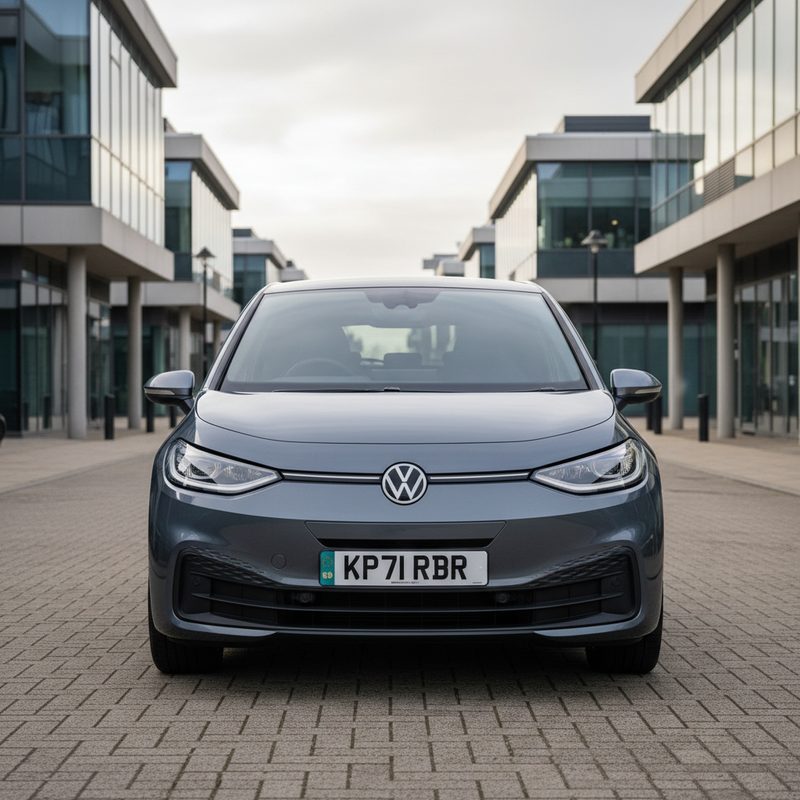
VW ID.3 Real Range UK: What Owners Actually Get
Uncover the real range of the VW ID.3 in the UK, along with essential tips on battery health, charging, and running costs.
Introduction
So, you’re thinking about going electric and have your eye on the VW ID.3? Good choice! This little beauty has been making waves in the EV market, but let’s face it, the real question on everyone’s lips is: what’s the actual range? You know, the one you can rely on when you’re off to visit Auntie Mabel in the middle of nowhere. In this guide, we’ll delve into the nitty-gritty of the VW ID.3’s real-world range, battery health, charging costs, and all those other juicy bits that’ll help you make a smart decision.
Battery Health: What to Check and Expect
First things first, let’s talk about battery health. The battery is the beating heart of any electric vehicle (EV), and the ID.3 is no exception. When you’re looking at a used ID.3, you’ll want to check the state of the battery, as it can significantly impact your driving experience.
What to Look For
-
Battery Capacity: The ID.3 comes with a few different battery sizes: 45 kWh, 58 kWh, and 77 kWh. The larger the battery, the longer the range. A healthy battery should retain at least 80% of its original capacity after a few years. If you’re looking at a model with a 58 kWh battery, for instance, it should ideally still have around 46 kWh of usable capacity.
-
Battery Health Reports: Some dealers provide battery health reports, which can give you a clear idea of how the battery has been treated. Look for any signs of rapid degradation or if the battery has been charged to 100% regularly, which can shorten its lifespan.
-
Charging History: Ask the owner about their charging habits. Frequent fast charging can lead to quicker battery wear. If they’ve mostly used home charging at lower rates, that’s a good sign.
What to Expect
In terms of lifespan, you can expect the ID.3’s battery to last anywhere between 8 to 15 years, depending on usage and care. However, keep in mind that battery replacement can be pricey, costing anywhere from £5,000 to £10,000 depending on the model and warranty.
Real-World Range vs Manufacturer Claims
Now, let’s get to the meat of the matter: range. VW claims that the ID.3 can achieve up to 263 miles on a full charge with the 77 kWh battery. Sounds great, right? But let’s not get too carried away with those numbers.
Real-World Figures
In reality, most owners report a more modest range. Depending on driving conditions, weather, and how heavy your right foot is, you can expect:
- Urban Driving: Around 200-220 miles.
- Mixed Driving: Approximately 180-200 miles.
- Motorway Driving: Closer to 150-180 miles, especially if you’re cruising at higher speeds.
So, if you’re planning a long trip, it’s wise to factor in these real-world figures. Remember, the colder it gets, the more your range will drop. Battery performance can dip by up to 30% in freezing temperatures, so pack a hot water bottle if you’re heading out in winter!
Charging Costs and Infrastructure
Let’s talk about charging. The ID.3 can be charged at home, at public charging stations, or even at work (if you’re lucky enough to have that option). But how much will it cost you?
Home Charging
If you’re charging at home, you’ll typically pay around 14p to 18p per kWh. So, for a full charge on a 58 kWh battery, you’re looking at about:
- Cost: £8.12 to £10.44 for a full charge.
This will give you a range of about 180-200 miles, making it quite economical compared to petrol or diesel.
Public Charging
Public charging can be a bit of a mixed bag. Rapid chargers can cost anywhere from 20p to 40p per kWh, depending on the provider. If you’re using a rapid charger to fill up the 77 kWh battery, it could set you back:
- Cost: £15.40 to £30.80 for a full charge.
While this is pricier than home charging, it’s still cheaper than filling up a petrol tank, especially when you consider the current fuel prices. Plus, many charging stations are popping up everywhere, so you’re never too far from a top-up.
Charging Times
Charging times can vary based on the method you choose:
- Home Charging (7 kW): Approximately 8-10 hours for a full charge.
- Public Fast Charging (50 kW): About 1-2 hours for a full charge.
- Rapid Charging (100 kW): Roughly 30-40 minutes to get to 80%.
So, if you’re planning a long journey, a quick stop at a rapid charger can give you a decent boost without too much hassle.
Common Problems Specific to the ID.3
Like any car, the ID.3 isn’t without its quirks. While it’s generally reliable, there are a few common issues to keep an eye out for when considering a used model.
Software Glitches
Some owners have reported software glitches, particularly with the infotainment system. It can be a bit temperamental, so make sure to test it out before buying. If it’s lagging or crashing, that’s a red flag.
Battery Management System
There have been a few reports of issues with the battery management system, which can affect charging and range. If you notice any unusual behaviour, like the car not charging properly or showing incorrect range estimates, get it checked out.
Build Quality
While VW is known for its solid build quality, some ID.3 owners have noted that the interior materials can feel a bit cheap compared to other models in the range. Check for any signs of wear and tear, especially in the trim and upholstery.
Running Cost Savings vs Petrol/Diesel
Now, let’s get down to the nitty-gritty of running costs. If you’re currently driving a petrol or diesel car, you might be wondering how the ID.3 stacks up in terms of savings.
Fuel Savings
Let’s say you’re driving a petrol car that does about 40 mpg. With petrol prices hovering around £1.50 per litre, you’d be spending roughly:
- Cost per 100 miles: £15.
In comparison, if you’re charging your ID.3 at home for about £10 for a full charge (which gives you around 200 miles), you’re only spending:
- Cost per 100 miles: £5.
That’s a saving of £10 every 100 miles! Over the course of a year, if you drive around 10,000 miles, you could save around £1,000 on fuel alone. Not too shabby, eh?
Maintenance Costs
EVs generally have lower maintenance costs compared to traditional cars. With fewer moving parts, you won’t need to worry about oil changes, and brake wear is reduced thanks to regenerative braking. Expect to spend less on servicing, which can save you even more in the long run.
Dave's Verdict: Is It Worth Going Electric?
So, is the VW ID.3 worth it? Well, if you’re looking for a reliable, economical, and environmentally friendly vehicle, it’s hard to argue against it. The real-world range is decent, especially for city driving, and the running costs are significantly lower than petrol or diesel alternatives.
However, do your homework. Check the battery health, be aware of potential issues, and consider your charging options. If you’re ready to make the leap, don’t forget to check any used ID.3 with my free EV health report. It’s a smart move that could save you from a world of headaches down the line.
In conclusion, the VW ID.3 is a solid choice for anyone looking to dip their toes into the electric vehicle pool. With the right knowledge and a bit of diligence, you’ll be zipping around in style, saving money, and doing your bit for the planet. What’s not to love?