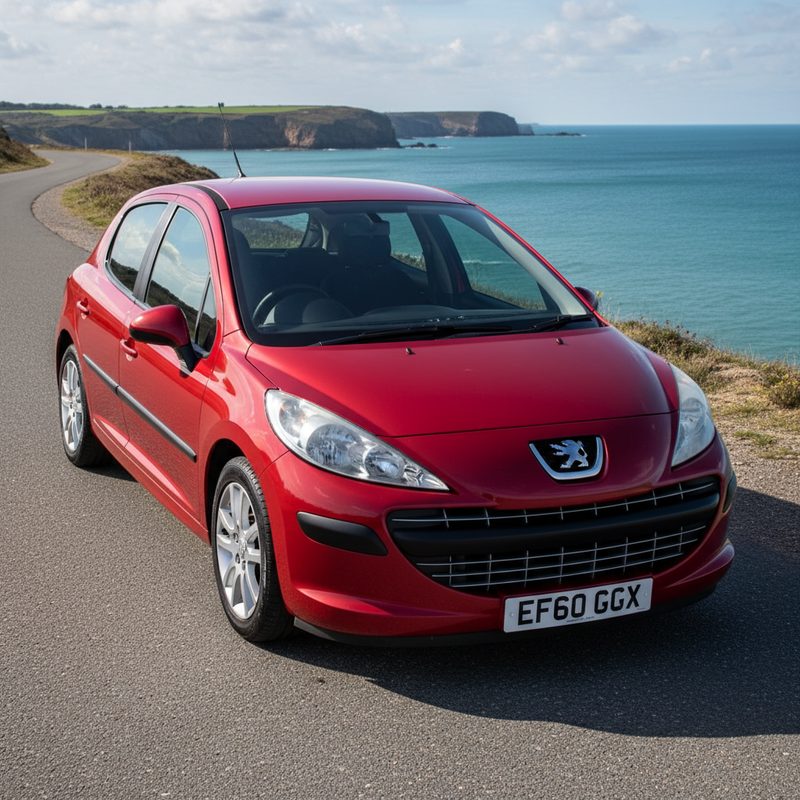
Peugeot e-208 Used Buying Guide: Electric Supermini Worth It
The Peugeot e-208 is an electric supermini that offers a blend of style and practicality. This guide covers everything you need to know before buying used.
Introduction to the Peugeot e-208
The Peugeot e-208 is a stylish electric supermini that has garnered attention for its modern design, impressive tech features, and practicality. As the automotive industry shifts towards electrification, the e-208 stands out as a compelling option for those looking to make the leap into electric vehicle (EV) ownership. In this guide, we’ll delve into the key aspects of buying a used e-208, from battery health to real-world range and running costs, ensuring you’re well-equipped to make an informed decision.
Understanding Battery Health
One of the most critical factors to consider when purchasing a used electric vehicle is the health of its battery. The e-208 is equipped with a 50 kWh lithium-ion battery, which is designed to provide a range of approximately 211 miles on a full charge under optimal conditions. However, battery performance can degrade over time, and it’s essential to understand what to check before making a purchase.
What to Check
When inspecting a used e-208, ask the seller about the battery's state of health (SoH). This metric indicates how much capacity the battery retains compared to when it was new. Ideally, you want a battery with a SoH of at least 80%. A lower percentage could mean reduced range and performance, leading to potential inconvenience and additional costs in the long run.
You can also request a battery health report, which should detail the number of charge cycles the battery has undergone. Generally, a battery can handle around 1,000 charge cycles before significant degradation occurs. If the e-208 has been charged frequently, it might have a shorter lifespan ahead.
Additionally, consider using Dave's free EV health report to assess the battery condition thoroughly. This tool can provide insights into the battery's performance and help you gauge whether the vehicle is worth your investment.
If you are weighing up alternatives, our guide to Hyundai Ioniq 5 Charging Speed covers similar ground from a different angle.
Real-World Range vs Manufacturer Claims
While the manufacturer claims a range of up to 211 miles, real-world driving conditions can significantly affect this figure. Factors such as driving style, terrain, and weather conditions can lead to variations in range. For instance, during colder months, the range may drop by as much as 20% due to the battery's reduced efficiency in low temperatures.
Factors Influencing Range
Driving habits play a crucial role in determining how far you can go on a single charge. Aggressive acceleration and high speeds can drain the battery faster, while a more conservative driving style can help maximise range. Additionally, using features like air conditioning or heating can also impact how far you can travel before needing to recharge.
In urban settings, the e-208 performs well, often achieving ranges closer to the manufacturer’s claims due to frequent regenerative braking, which helps recharge the battery while driving. However, on longer motorway journeys, you may find the range to be less than expected, especially if you’re travelling at higher speeds.
It’s wise to conduct a test drive and monitor the range displayed on the dashboard. This will give you a better idea of what to expect in your typical driving conditions. If you’re considering a used e-208, checking the real-world range against your driving needs is essential.
For more on this topic, take a look at our Used BMW i3 guide.
Charging Costs and Infrastructure
Charging your e-208 is a crucial aspect of ownership that can significantly impact your overall running costs. The e-208 can be charged via a standard home socket, a dedicated home charger, or at public charging stations. Understanding the costs associated with each method will help you budget effectively.
Home Charging
Charging at home is typically the most cost-effective option. If you have access to a home charger, you can expect to pay around £5 to £7 for a full charge, depending on your electricity tariff. With the e-208’s 50 kWh battery, this translates to a cost of approximately 10-14 pence per kWh. If you charge overnight during off-peak hours, you may find even lower rates, making it an economical choice.
Public Charging
Public charging stations vary in pricing, with some offering free charging while others may charge a fee. Rapid chargers, which can recharge the battery to 80% in about 30 minutes, typically cost more per kWh than standard chargers. Expect to pay around 20-30 pence per kWh at these stations. It’s essential to factor in these costs when considering your overall budget for running an electric vehicle.
The UK has made significant strides in expanding its charging infrastructure, with thousands of charging points available across the country. Apps like Zap-Map can help you locate nearby charging stations and check their availability, which is particularly useful for longer journeys.
You might also find our Volvo XC40 Recharge Used Buying Guide guide useful alongside this one.
Common Problems Specific to the e-208
While the Peugeot e-208 is generally well-regarded for its reliability, like any vehicle, it’s not without its potential issues. Being aware of common problems can save you time and money in the long run.
Software Glitches
Some owners have reported software glitches affecting the infotainment system, which can lead to issues with navigation and connectivity. While these problems are often rectified with software updates, it’s worth checking if the vehicle you’re considering has had the latest updates applied.
Battery Management System
There have been instances of the battery management system (BMS) not functioning optimally, leading to inaccurate range estimates. If the e-208 you’re looking at has a history of this issue, it’s advisable to have it inspected by a qualified technician to ensure the BMS is operating correctly.
Wear and Tear
As with any used vehicle, check for general wear and tear, particularly on the tyres and brakes. The e-208’s regenerative braking system can reduce brake wear, but it’s still essential to ensure that the brakes are in good condition. Additionally, inspect the tyres for tread depth and any signs of uneven wear, which could indicate alignment issues.
We have covered related ground in our Do Electric Cars Cost Less to Service guide, which is worth reading if this subject interests you.
Running Cost Savings vs Petrol/Diesel
One of the primary reasons many buyers consider the e-208 is the potential for significant savings on running costs compared to traditional petrol or diesel vehicles. The e-208 benefits from lower fuel costs, reduced maintenance expenses, and various government incentives.
Fuel Savings
Electricity is generally cheaper than petrol or diesel, and with the e-208’s efficiency, you can expect to save a considerable amount on fuel. For example, if you typically spend £100 a month on petrol, switching to an e-208 could reduce that cost to around £30-£40, depending on your charging habits.
Maintenance Costs
Electric vehicles have fewer moving parts than their petrol or diesel counterparts, resulting in lower maintenance costs. The e-208 doesn’t require oil changes, and brake wear is reduced thanks to regenerative braking. This can lead to savings of hundreds of pounds over the vehicle's lifetime.
Government Incentives
At the time of writing, the UK government offers various incentives for electric vehicle owners, including grants for home charging points and exemptions from road tax. These incentives can further enhance the financial appeal of owning an e-208, making it a more attractive option compared to traditional vehicles.
You can check any car's full MOT history for free on GOV.UK before arranging a viewing.
Dave's Verdict: Is It Worth Going Electric?
The Peugeot e-208 presents an exciting opportunity for those looking to transition to electric driving. With its stylish design, practical range, and cost-saving potential, it’s a strong contender in the electric supermini market. However, as with any used car purchase, it’s crucial to do your homework.
Before making a decision, consider your driving habits and whether the e-208 meets your needs. If you primarily drive in urban areas, the e-208’s range should be more than sufficient. However, if you often embark on long journeys, ensure that the vehicle's real-world range aligns with your requirements.
Additionally, always check the battery health and consider using Dave's free EV health report to gain insights into the vehicle's condition. By taking these steps, you can make a well-informed decision and enjoy the benefits of electric driving without the common pitfalls.
In conclusion, the Peugeot e-208 is indeed worth considering if you’re in the market for a used electric vehicle. With careful research and consideration, you can confidently make the switch to electric and enjoy all the advantages it brings.