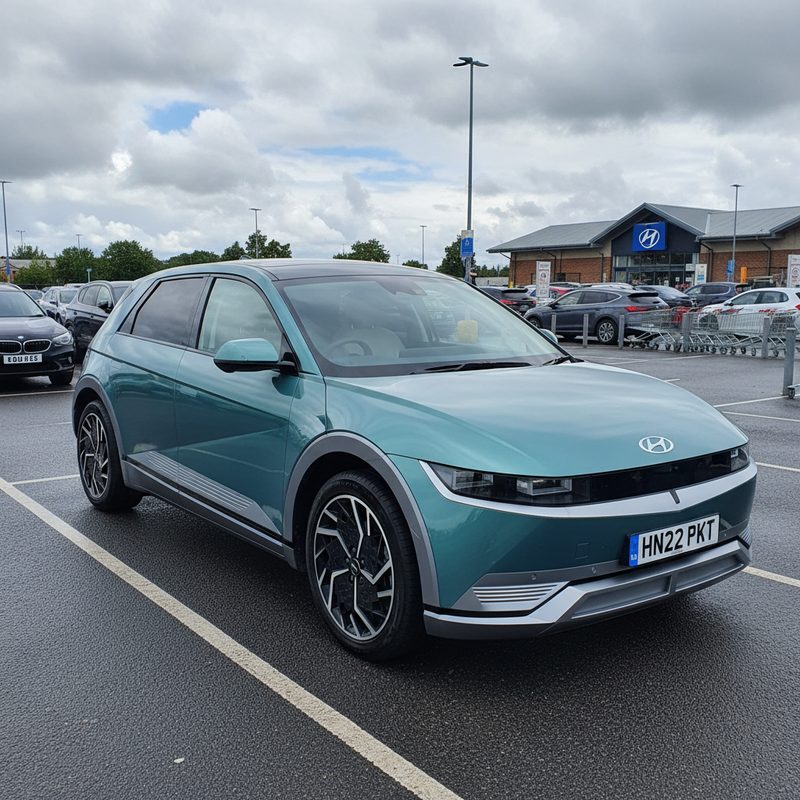
Hyundai Ioniq 5 Charging Speed: How Fast in the Real World
Explore the charging capabilities of the Hyundai Ioniq 5, including real-world performance, costs, and essential tips for potential buyers.
Introduction
The Hyundai Ioniq 5 has taken the electric vehicle (EV) market by storm, and for good reason! With its sleek design, impressive technology, and, most importantly, rapid charging capabilities, it’s no wonder that many are considering this model as their next car. But how fast does it actually charge in the real world? If you're contemplating making the switch to electric, understanding the charging speed of the Ioniq 5 is crucial. In this guide, we’ll delve deep into the charging speed, battery health, real-world range, and running costs, helping you make an informed decision.
Battery Health: What to Check and Expect
When it comes to electric vehicles, the battery is the heart of the operation. The Hyundai Ioniq 5 is equipped with a high-capacity battery that typically ranges from 58 kWh to 73 kWh, depending on the variant. But what does this mean for you as a potential buyer?
Understanding Battery Health
Battery health is a critical factor to consider when purchasing a used Ioniq 5. Over time, batteries can degrade, affecting their performance and charging speed. A healthy battery should retain at least 70-80% of its original capacity after a few years of use. When inspecting a used Ioniq 5, ask for the battery health report, which should indicate the current state of the battery.
What to Look For
- Battery Management System (BMS): The Ioniq 5 features an advanced BMS that helps monitor and manage battery performance. Ensure that this system is functioning correctly, as it plays a vital role in maintaining battery health.
- Charging History: Inquire about how the previous owner charged the vehicle. Frequent fast charging can lead to faster battery degradation, while regular home charging tends to be gentler on the battery.
- Warranty: Hyundai offers an impressive warranty on their EV batteries, typically around 8 years or 100,000 miles. Check if the warranty is still valid, as this can provide peace of mind.
Real-World Expectations
In practical terms, you can expect the Ioniq 5's battery to perform well, especially if it has been well cared for. A well-maintained battery can still deliver excellent range and charging speeds, making it a reliable choice for your electric journey.
Real-World Range vs Manufacturer Claims
One of the most talked-about features of the Ioniq 5 is its range. Hyundai claims that the Ioniq 5 can achieve up to 300 miles on a single charge, depending on the variant and driving conditions. But how does this hold up in the real world?
Factors Affecting Range
- Driving Style: Aggressive acceleration and high speeds can significantly reduce range. If you're a fan of spirited driving, expect the real-world range to dip below the manufacturer’s claims.
- Weather Conditions: Cold weather can impact battery performance, reducing range by as much as 20-30%. Conversely, warmer temperatures can help the battery perform better.
- Terrain: Hilly or mountainous regions can also affect how far you can go on a single charge. Flat roads will generally yield better range.
Real-World Testing
In real-world conditions, many Ioniq 5 owners report achieving between 250 to 280 miles on a full charge, depending on the factors mentioned above. This is still impressive and makes the Ioniq 5 a strong contender for long-distance travel. If you’re considering a used model, ask the seller about their experiences with range to get a better understanding of what to expect.
Charging Costs and Infrastructure
Charging an electric vehicle can be a daunting prospect for many new EV owners. However, the Ioniq 5 is designed to make this as seamless as possible. Let’s break down the costs and infrastructure you need to consider.
Home Charging Costs
If you opt for a home charging solution, you’ll need to install a dedicated EV charger. The cost of a home charging unit can range from £800 to £1,500, depending on the model and installation fees. However, many owners find that charging at home is significantly cheaper than filling up a petrol or diesel car.
- Electricity Rates: The average cost of electricity in the UK is around 15p per kWh. Charging a 73 kWh Ioniq 5 from empty to full would cost approximately £10.95.
- Time of Use Tariffs: Consider using time-of-use tariffs, which allow you to charge your vehicle during off-peak hours at a lower rate. This can further reduce your charging costs.
Public Charging Infrastructure
The Ioniq 5 supports rapid charging, which is a game-changer for long journeys. With a 350 kW charging capability, you can charge from 10% to 80% in just 18 minutes under optimal conditions. However, the availability of high-speed chargers can vary by location.
- Charging Networks: Familiarise yourself with charging networks like Ionity, BP Pulse, and Shell Recharge. Many of these networks offer subscription plans that can save you money on charging costs.
- Finding Chargers: Use apps like Zap-Map or PlugShare to locate nearby charging stations. These apps provide real-time information on charger availability and pricing, making your charging experience much smoother.
Cost Comparison
When comparing the costs of charging an Ioniq 5 to traditional fuel costs, the savings can be substantial. For instance, if you were to drive 12,000 miles a year, you might spend around £1,200 on electricity for the Ioniq 5, compared to £1,600 on petrol for a conventional car. This makes the Ioniq 5 not only a greener choice but also a more economical one.
Common Problems Specific to the Ioniq 5
While the Ioniq 5 is generally well-regarded, like any vehicle, it has its quirks and potential issues. Knowing what to look for can save you time and money down the line.
Software Glitches
Some users have reported software glitches, particularly with the infotainment system. These can often be resolved with updates, but it’s worth checking if the vehicle has the latest software installed.
Battery Degradation
As mentioned earlier, battery health is crucial. While the Ioniq 5 is built to last, keep an eye out for any signs of rapid battery degradation. If the vehicle has been charged frequently at high speeds, this could be a red flag.
Charging Port Issues
Some owners have experienced issues with the charging port, particularly if the vehicle has been exposed to harsh weather conditions. Ensure that the charging port is clean and functioning properly during your inspection.
Warranty Considerations
Always check the warranty status of a used Ioniq 5. Hyundai’s warranty is robust, but it’s essential to know what’s covered and for how long. This can save you from unexpected repair costs down the line.
Running Cost Savings vs Petrol/Diesel
When considering the switch to electric, many potential buyers are understandably concerned about running costs. Let’s break down how the Ioniq 5 stacks up against traditional petrol and diesel vehicles.
Fuel Savings
As mentioned earlier, the cost of electricity is significantly lower than petrol or diesel. With the Ioniq 5, you can expect to save around £400-£600 annually on fuel costs, depending on your driving habits.
Maintenance Costs
Electric vehicles generally have lower maintenance costs compared to their petrol and diesel counterparts. The Ioniq 5 has fewer moving parts, meaning less wear and tear. You won’t need to worry about oil changes, and brake wear is reduced thanks to regenerative braking.
Insurance and Tax Benefits
Insurance for electric vehicles can be competitive, but it’s wise to shop around. Additionally, EVs are exempt from road tax in the UK, which can save you an additional £165 annually.
Depreciation
It’s worth noting that electric vehicles, including the Ioniq 5, can depreciate faster than traditional vehicles. However, as the market for EVs grows, this trend is changing. The Ioniq 5 is likely to hold its value better than older models, making it a smart investment.
Dave's Verdict: Is It Worth Going Electric?
So, is the Hyundai Ioniq 5 worth it? Absolutely! With its impressive charging speed, excellent range, and cost savings, it’s a fantastic option for anyone considering an electric vehicle. The real-world performance often exceeds expectations, and the benefits of owning an EV are becoming increasingly clear.
Final Thoughts
Before making a purchase, I highly recommend checking any used Hyundai Ioniq 5 with my free EV health report. This report will give you a comprehensive overview of the battery health, charging performance, and any potential issues that may arise.
In conclusion, the Ioniq 5 is not just a car; it’s a statement. It’s a step towards a more sustainable future, and with the right knowledge, you can make an informed decision that benefits both your wallet and the planet. So, are you ready to embrace the electric revolution?
Happy driving!