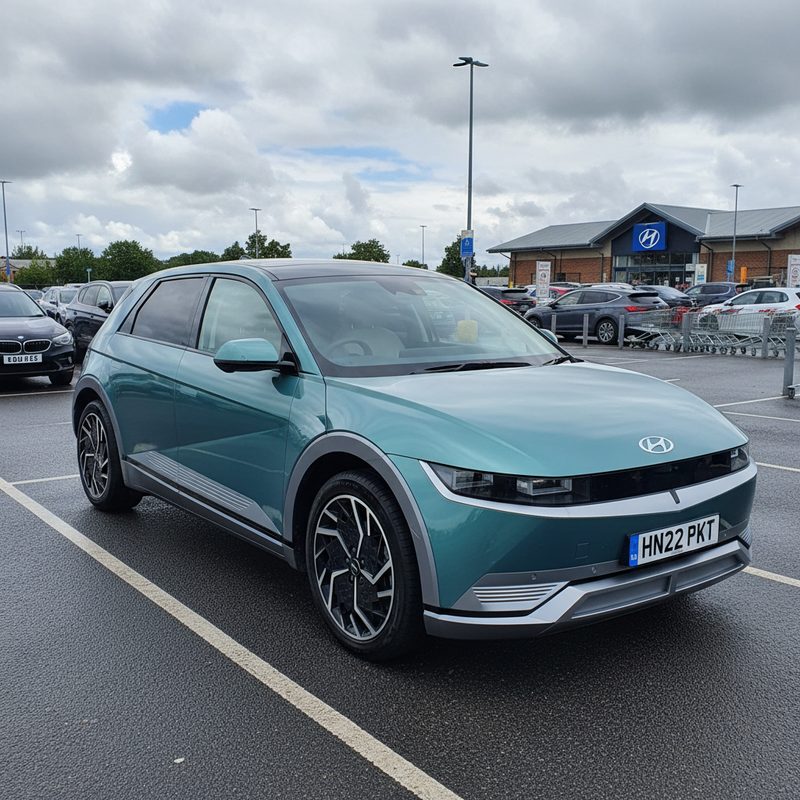
Hyundai Ioniq Hybrid vs Electric — Which Used Version to Buy
This guide compares the Hyundai Ioniq Hybrid and Electric, helping you choose the best used version for your needs.
Introduction
The Hyundai Ioniq has made a significant impact in the UK market, offering both hybrid and electric variants that cater to a range of drivers. With the growing interest in environmentally friendly vehicles, many potential buyers find themselves weighing the pros and cons of the Ioniq Hybrid against the Ioniq Electric. This guide aims to provide you with a comprehensive overview of both models, helping you make an informed decision when considering a used purchase.
Understanding the Hyundai Ioniq Range
The Hyundai Ioniq is available in three distinct versions: Hybrid, Plug-in Hybrid, and Electric. Each version has its unique features and benefits, but for this guide, we will focus on the Hybrid and Electric models. The Ioniq Hybrid combines a petrol engine with an electric motor, providing a balance of efficiency and performance. On the other hand, the Ioniq Electric runs solely on electric power, offering zero emissions and a different driving experience.
Key Specifications
When comparing the two models, it’s essential to understand their specifications. The Ioniq Hybrid typically features a 1.6-litre petrol engine paired with a 32 kW electric motor, producing a combined output of around 139 bhp. The electric version, however, is powered by a 38.3 kWh battery, delivering a more robust 134 bhp. This difference in power output can influence your driving experience significantly. The Ioniq Electric also boasts an impressive range of approximately 180 miles on a full charge, while the Hybrid can achieve around 60-70 mpg, depending on driving conditions.
Battery Health — What to Check and Expect
One of the most critical aspects of owning an electric vehicle (EV) is understanding battery health. For the Ioniq Electric, the battery is the heart of the vehicle, and its condition can significantly affect performance and range. When considering a used Ioniq Electric, you should check the battery's state of health (SoH). A healthy battery should maintain around 70-80% of its original capacity after a few years of use.
If you are weighing up alternatives, our guide to Nissan Leaf Battery Health Check covers similar ground from a different angle.
How to Assess Battery Health
You can assess battery health through various methods. Firstly, many used car dealers provide a battery health report, which gives you insights into the battery's current state. Additionally, you can use tools like the DVLA vehicle check to gather information about the car's history, including any previous battery issues.
If you're unsure about the battery's condition, consider getting a free EV health report from Dave. This report can provide you with detailed insights into the battery's performance and any potential issues you may face down the line.
Real-World Range vs Manufacturer Claims
When it comes to electric vehicles, the real-world range often differs from manufacturer claims. The Hyundai Ioniq Electric has an official range of around 180 miles, but various factors can affect this figure, including driving style, terrain, and weather conditions. In real-world scenarios, many drivers report achieving between 140 to 160 miles on a full charge, which is still quite respectable for daily commutes and short trips.
For more on this topic, take a look at our Hyundai Kona Electric Battery Life and Degradation Guide guide.
Factors Influencing Range
Several factors can influence the range of the Ioniq Electric:
- Driving Style: Aggressive acceleration and high speeds can deplete the battery faster.
- Temperature: Cold weather can reduce battery efficiency, leading to shorter ranges.
- Use of Climate Control: Running the air conditioning or heating can also impact range.
In contrast, the Ioniq Hybrid offers a different experience. Since it combines petrol and electric power, it doesn’t rely solely on battery range. Instead, it can switch between the petrol engine and electric motor, providing flexibility for longer journeys. Many drivers find that the hybrid can comfortably cover over 400 miles on a full tank and charge, making it an excellent option for those who frequently travel longer distances.
Charging Costs and Infrastructure
Charging costs are a significant consideration when deciding between the Ioniq Hybrid and Electric. For the Ioniq Electric, charging at home is typically the most economical option. The average cost of electricity in the UK is around 14p per kWh, meaning a full charge (38.3 kWh) would cost approximately £5.36. This can provide you with a range of around 180 miles, making it a cost-effective choice for daily driving.
You might also find our Used BMW i3 guide useful alongside this one.
Public Charging Options
Public charging infrastructure is continually improving across the UK. The Ioniq Electric can be charged at various public charging points, including fast chargers that can charge the battery to 80% in about 54 minutes. However, charging costs can vary significantly depending on the provider. Some public chargers may charge a premium, so it’s wise to check the prices on platforms like AutoTrader or dedicated charging apps.
For the Ioniq Hybrid, charging is less of a concern since it primarily runs on petrol. However, it can still benefit from regenerative braking, which helps recharge the battery while driving. This feature can enhance fuel efficiency, particularly in urban driving conditions.
Common Problems Specific to This EV/Hybrid
Every vehicle has its quirks, and the Hyundai Ioniq is no exception. When considering a used Ioniq, it’s essential to be aware of common issues that may arise with both the Hybrid and Electric versions.
We have covered related ground in our Best Used Plug-In Hybrid Cars UK 2025 guide, which is worth reading if this subject interests you.
Ioniq Hybrid Common Issues
- Battery Management System: Some owners have reported issues with the battery management system, which can affect performance. Regular software updates from Hyundai can help mitigate these issues.
- Brake Wear: Due to the regenerative braking system, brake pads may wear out faster than in conventional vehicles. Regular checks are advisable.
Ioniq Electric Common Issues
- Battery Degradation: As with any EV, battery degradation can occur over time. It’s crucial to check the battery health before purchasing a used model.
- Charging Port Issues: Some users have reported problems with the charging port, which can lead to difficulties when plugging in. Inspecting the port for wear and tear is essential.
Before making a purchase, consider reviewing the MOT history of the vehicle to identify any recurring issues or repairs that may have been carried out.
If things go wrong after purchase, Citizens Advice can help you understand your legal rights.
Running Cost Savings vs Petrol/Diesel
One of the primary reasons many drivers consider hybrids and electric vehicles is the potential for savings on running costs. The Ioniq Hybrid typically achieves around 60-70 mpg, which is significantly better than many petrol or diesel vehicles in its class. This efficiency translates to lower fuel costs, especially for urban driving.
Comparing Costs
In contrast, the Ioniq Electric offers even more substantial savings. With the average cost of electricity at around 14p per kWh, the cost per mile is significantly lower than petrol or diesel. For instance, if you drive 10,000 miles a year, the running costs for the Ioniq Electric can be as low as £500, compared to £1,200 or more for a petrol vehicle.
Moreover, electric vehicles benefit from lower road tax rates and exemptions from congestion charges in certain areas, further enhancing their cost-effectiveness. You can check the current road tax rates on the GOV.UK road tax checker.
Dave's Verdict — Is It Worth Going Electric?
Deciding between the Hyundai Ioniq Hybrid and Electric ultimately depends on your driving habits and lifestyle. If you frequently undertake longer journeys and prefer the convenience of petrol, the Ioniq Hybrid is an excellent choice. It offers impressive fuel economy and flexibility, making it suitable for various driving conditions.
However, if you primarily drive short distances and have access to charging infrastructure, the Ioniq Electric could be the better option. With zero emissions, lower running costs, and a growing network of charging points, it aligns well with the increasing demand for sustainable transport solutions.
In conclusion, both models have their merits, and the decision should be based on your specific needs. Regardless of which version you choose, ensure you check the vehicle's health and history thoroughly. Don’t forget to take advantage of Dave's free EV health report to assess the battery condition and overall performance of the Hyundai Ioniq you’re considering. This step can save you from potential headaches down the line and help you make a confident purchase.
Final Thoughts
The Hyundai Ioniq range offers a compelling choice for those looking to transition to more environmentally friendly driving. Whether you opt for the hybrid or electric version, understanding the key differences and potential pitfalls will empower you to make an informed decision. With the right information and preparation, you can enjoy the benefits of driving a Hyundai Ioniq while contributing to a greener future.
Check Hyundai Ioniq, instantly with Dave's free vehicle intelligence report.
Check any Hyundai Ioniq with Dave's free EV health report