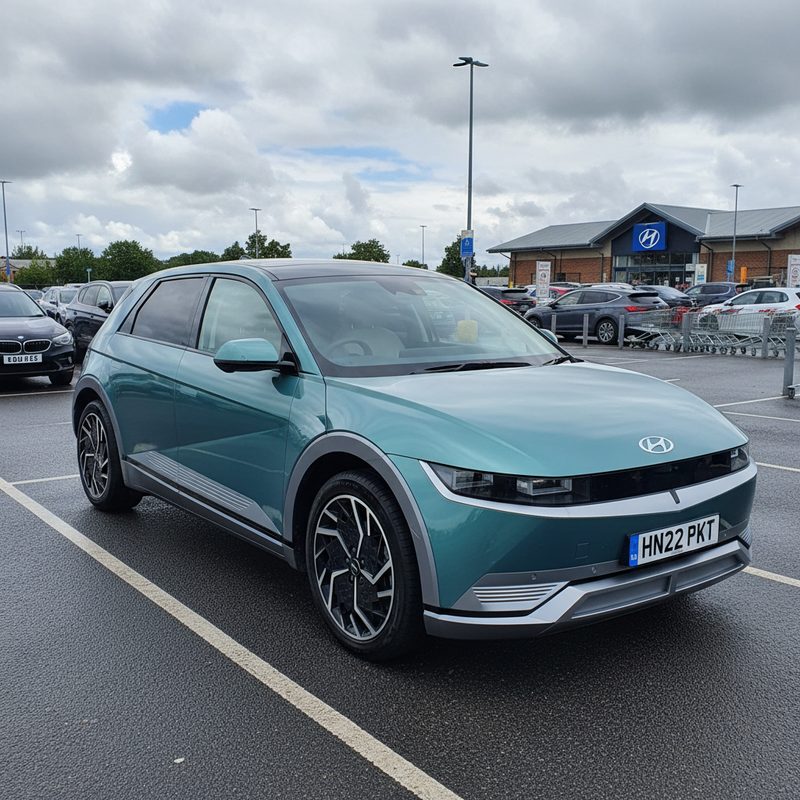
2019 Hyundai Ioniq Hybrid — Sensible Alternative to Prius
The 2019 Hyundai Ioniq Hybrid is a practical and economical choice for eco-conscious drivers. Discover its pros, cons, and everything you need to know before buying.
Overview of the 2019 Hyundai Ioniq Hybrid
If you’re on the hunt for a hybrid that doesn’t just scream ‘I’m saving the planet!’ but also offers a decent amount of style and practicality, then the 2019 Hyundai Ioniq Hybrid might just tick all the boxes. This little beauty is often compared to the Toyota Prius, but let’s be honest, while the Prius has its loyal fanbase, the Ioniq brings a fresh perspective to the hybrid market. With a sleek design, impressive fuel economy, and a surprisingly spacious interior, it’s a sensible alternative that deserves your attention.
The Ioniq Hybrid is powered by a 1.6-litre petrol engine paired with an electric motor, producing a combined output of around 139 horsepower. This setup allows for a smooth drive, whether you’re zipping through city traffic or cruising on the motorway. Plus, with CO2 emissions as low as 79 g/km, you can feel good about your carbon footprint while still enjoying the perks of a modern car.
But is it a good buy? Let’s dive into the nitty-gritty of the 2019 Hyundai Ioniq Hybrid and see if it’s worth your hard-earned cash.
Common Problems and Known Issues
Like any car, the 2019 Hyundai Ioniq Hybrid isn’t without its quirks and potential issues. While it generally boasts a solid reputation for reliability, there are a few common problems that prospective buyers should keep an eye out for.
One of the most frequently reported issues involves the car’s infotainment system. Some owners have experienced glitches, such as the screen freezing or the navigation system failing to respond. While this isn’t a deal-breaker, it can be quite annoying, especially if you rely on your sat-nav to avoid those pesky traffic jams.
Another issue that has cropped up is related to the hybrid battery. Although the Ioniq’s battery is designed to last, there have been isolated reports of premature battery failure. This is something to consider, as replacing a hybrid battery can set you back a pretty penny—often between £1,500 and £3,000, depending on where you go for the replacement.
Lastly, some drivers have noted that the brakes can feel a bit spongy, particularly in older models. This isn’t unique to the Ioniq, but it’s worth checking during a test drive to ensure you’re comfortable with the braking performance.
Overall, while the Ioniq Hybrid has its share of potential issues, they are relatively minor compared to the benefits it offers. Just make sure to do your due diligence and check the service history of any used model you’re considering.
MOT Failure Patterns
When it comes to MOTs, the 2019 Hyundai Ioniq Hybrid generally fares well, but there are a few common areas where it might trip up. Understanding these can help you avoid any nasty surprises when it’s time for your annual check-up.
One of the most common reasons for failure in hybrids like the Ioniq is related to the emissions system. While the Ioniq is designed to be eco-friendly, if the emissions control system isn’t functioning properly, it could lead to a failed MOT. This could be due to a faulty catalytic converter or issues with the exhaust system. Make sure to check for any warning lights on the dashboard before buying, as these can indicate underlying problems.
Another area to keep an eye on is the brakes. As mentioned earlier, some drivers have reported spongy brakes, which could lead to a failure if they don’t meet the required standards. During your test drive, pay attention to how the brakes feel and consider having a mechanic inspect them before making a purchase.
Tyres are another common MOT failure point. Ensure that the tread depth is above the legal limit of 1.6mm, and check for any signs of uneven wear, which could indicate alignment issues. Replacing tyres can be a costly affair, so it’s best to factor this into your budget if you’re looking at a model with worn rubber.
Lastly, don’t forget about the lights! A blown bulb might seem trivial, but it’s one of the most common reasons cars fail their MOTs. Make sure all lights are functioning properly before you buy.
What You Should Expect to Pay
Now, let’s talk money. The price of a used 2019 Hyundai Ioniq Hybrid can vary quite a bit depending on factors like mileage, condition, and trim level. On average, you can expect to pay between £18,000 and £22,000 for a well-maintained model with reasonable mileage.
If you’re looking at a model with lower mileage (under 20,000 miles), you might find prices creeping up to around £24,000. However, if you’re willing to consider models with higher mileage (around 40,000 to 60,000 miles), you could snag a bargain for closer to £16,000. Just remember, the lower the mileage, the higher the price tag, so it’s all about finding the right balance for your budget.
When shopping around, don’t forget to check out various dealerships and online platforms like AutoTrader or CarGurus. Prices can fluctuate significantly based on location and seller, so it pays to do your homework. And if you’re feeling a bit overwhelmed, why not check out Dave’s free vehicle intelligence report? It’ll give you all the info you need to make an informed decision.
Running Costs Overview
One of the main selling points of the 2019 Hyundai Ioniq Hybrid is its impressive running costs. If you’re looking for a car that won’t break the bank when it comes to fuel, insurance, and servicing, the Ioniq is a solid choice.
Fuel Costs
The Ioniq Hybrid boasts an impressive fuel economy of around 62-70 mpg, depending on your driving style and conditions. This means you can expect to spend roughly £1,200 to £1,500 per year on fuel, assuming you drive around 12,000 miles annually. Compared to traditional petrol or diesel cars, this is a significant saving, especially with fuel prices fluctuating like a rollercoaster these days.
Insurance Costs
When it comes to insurance, the Ioniq Hybrid falls into a relatively low insurance group, typically around group 14-16. This means you can expect to pay around £600 to £800 per year for comprehensive coverage, depending on your age, driving history, and location. This is a great perk for younger drivers or those looking to keep their overall costs down.
Servicing Costs
Servicing costs for the Ioniq Hybrid are also quite reasonable. Annual servicing can range from £150 to £250, depending on whether you go to a main dealer or an independent garage. It’s worth noting that hybrids often require less frequent servicing than traditional cars, thanks to their regenerative braking systems and lower wear on the engine. Just make sure to keep up with regular maintenance to avoid any costly surprises down the line.
Dave's Honest Verdict
So, what’s the final verdict on the 2019 Hyundai Ioniq Hybrid? In my humble opinion, it’s a fantastic option for anyone looking for a reliable, economical, and stylish hybrid. With its impressive fuel economy, low running costs, and spacious interior, it’s a sensible alternative to the ever-popular Prius.
However, it’s essential to be aware of the potential issues, particularly with the infotainment system and hybrid battery. Make sure to do your due diligence, check the service history, and take it for a thorough test drive before making a purchase.
Overall, if you find a well-maintained model that fits your budget, I’d say go for it! The Ioniq Hybrid is a smart choice for eco-conscious drivers who want to save money without sacrificing style or comfort.
Conclusion
In conclusion, the 2019 Hyundai Ioniq Hybrid is a worthy contender in the hybrid market, offering a blend of practicality, efficiency, and modern features. With its competitive pricing, low running costs, and a reputation for reliability, it’s an excellent option for anyone looking to make the switch to hybrid driving. Just remember to keep an eye out for common issues and do your research before buying. And don’t forget to check out Dave’s free vehicle intelligence report to ensure you’re making a smart investment. Happy car hunting!
Check 2019 Hyundai Ioniq, instantly with Dave's free vehicle intelligence report.
Check any Hyundai Ioniq instantly with Dave's free vehicle intelligence report