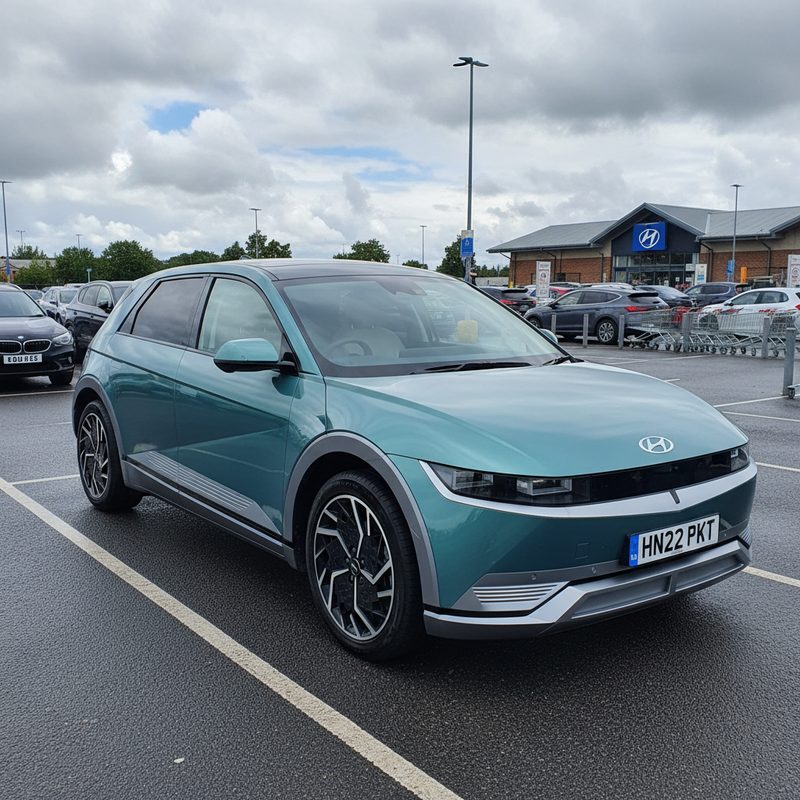
Used Hyundai Ioniq 5 Buying Guide UK
Considering a used Hyundai Ioniq 5? This guide covers everything from battery health to running costs, helping you make an informed decision.
Introduction
The [Hyundai Ioniq](/guides/ev-hybrid-ownership/hyundai-ioniq-hybrid-vs-electric-which-used-version-to-buy) 5 has made quite a splash in the electric vehicle (EV) market, and for good reason. With its futuristic design, spacious interior, and impressive tech features, it’s no wonder many are considering this model as their next used car purchase. If you're in the market for a used Hyundai Ioniq 5, you’ve come to the right place. In this guide, we’ll delve into the ins and outs of buying a used Ioniq 5, covering everything from battery health to common issues, and even running costs compared to petrol and diesel alternatives.
Understanding Battery Health
One of the most critical aspects to consider when buying any used electric vehicle, including the Hyundai Ioniq 5, is the battery health. The battery is the heart of an EV, and its condition can significantly affect performance and range.
What to Check
When inspecting a used Ioniq 5, start by checking the battery's state of health (SoH). This figure indicates how much capacity the battery retains compared to when it was new. A healthy battery should ideally retain at least 70-80% of its original capacity. You can often find this information in the car’s onboard diagnostics or by asking the seller for a battery health report.
Additionally, look for any signs of battery degradation. This can manifest as reduced range or longer charging times. It’s also wise to check if the vehicle has been involved in any accidents, as this could affect the battery's integrity. A quick check on the GOV.UK DVLA site can provide you with the vehicle's history, which is crucial for understanding its past.
What to Expect
The Ioniq 5 features a battery capacity ranging from 58 kWh to 73 kWh, depending on the variant. Expect a real-world range of about 240 to 300 miles on a full charge, depending on driving conditions and battery health. If you find a model with a significantly lower range than expected, it could be a red flag. Always consider getting a free EV health report to ensure you’re making a sound investment.
If you are weighing up alternatives, our guide to Used BMW i3 covers similar ground from a different angle.
Real-World Range vs Manufacturer Claims
Hyundai claims that the Ioniq 5 can achieve up to 300 miles on a single charge, but real-world conditions often tell a different story. Factors such as driving style, weather conditions, and the use of climate control can affect the actual range.
What Affects Range
In colder weather, for instance, you might find that the range can drop by as much as 20-30%. Similarly, aggressive driving can lead to higher energy consumption. It’s also worth noting that the type of terrain you drive on can impact range; hilly areas can sap battery power quicker than flat roads.
How to Test Range
When test driving a used Ioniq 5, take note of how much charge is left after your journey. If possible, try to replicate your typical driving conditions to get a better idea of what to expect. If the seller is hesitant to let you take it for a longer drive, it might be worth considering other options. You can also check the car’s charging history to see how often it has been fully charged or if it has been frequently charged to 100%, which can affect battery longevity.
Charging Costs and Infrastructure
Charging costs are another essential factor to consider when buying a used Hyundai Ioniq 5. Understanding how much it will cost to charge your vehicle and the availability of charging infrastructure in your area can help you budget effectively.
For more on this topic, take a look at our Used Hyundai Ioniq Electric guide.
Home Charging
If you have the option to charge at home, you’ll find it’s the most convenient and often the cheapest way to keep your Ioniq 5 topped up. The average cost of electricity in the UK is around 14p per kWh, so charging a 73 kWh battery from empty would cost approximately £10.20. However, most drivers don’t let their battery drop to zero, so the cost will usually be lower.
Public Charging
When using public charging stations, costs can vary widely. Rapid chargers can charge your vehicle to 80% in about 18 minutes but may charge higher rates, often around 30-50p per kWh. It’s wise to sign up for a few charging networks to find the best deals. Apps like Zap-Map can help you locate charging stations and compare prices.
Charging Infrastructure
The UK is rapidly expanding its EV charging infrastructure, but availability can vary by region. Urban areas tend to have better access to charging points, while rural areas may still be catching up. Before purchasing a used Ioniq 5, check the charging network in your area and consider how often you’ll need to rely on public charging.
Common Problems Specific to the Ioniq 5
While the Hyundai Ioniq 5 is generally well-regarded for its reliability, like any car, it has its share of common issues. Being aware of these can save you from unexpected repair bills down the line.
You might also find our Kia Niro Hybrid vs Plug-In guide useful alongside this one.
Software Glitches
One of the more common complaints from Ioniq 5 owners involves software glitches, particularly with the infotainment system. Some users have reported issues with connectivity and navigation. Ensure that the vehicle’s software is up to date, as Hyundai frequently releases updates to address these issues.
Battery Management System
Another area to keep an eye on is the battery management system (BMS). While rare, some owners have reported problems with the BMS not accurately displaying battery levels. This can lead to unexpected range anxiety. If you notice any discrepancies during your test drive, it’s worth getting a professional opinion.
Suspension and Steering
A few owners have also flagged issues with the suspension and steering, particularly in models with larger wheels. Listen for any unusual noises during your test drive and check for uneven tyre wear, which can indicate alignment issues. If you’re not sure what to look for, consider taking a knowledgeable mate along for a second opinion.
Running Cost Savings vs Petrol/Diesel
One of the most appealing aspects of owning an electric vehicle like the Hyundai Ioniq 5 is the potential for significant savings on running costs compared to petrol or diesel vehicles.
We have covered related ground in our MG ZS EV Used Buying Guide guide, which is worth reading if this subject interests you.
Fuel Savings
With petrol prices fluctuating, many drivers are finding that charging an EV can be significantly cheaper than filling up a traditional car. For example, if you were to drive 12,000 miles a year, and your petrol car averaged 40 mpg, you’d be spending around £1,500 annually on fuel. In contrast, an Ioniq 5, with an average consumption of about 3.5 miles per kWh, would cost you around £400-£500 for the same distance, depending on your charging habits.
Maintenance Costs
Electric vehicles generally have lower maintenance costs than their petrol or diesel counterparts. The Ioniq 5 has fewer moving parts, meaning less wear and tear. You won’t need to worry about oil changes, and brake wear is often reduced thanks to regenerative braking. This can lead to substantial savings over the vehicle's lifespan.
Insurance and Tax
Insurance costs can vary, but the Ioniq 5 is generally in a lower insurance group compared to many petrol and diesel vehicles. Additionally, electric vehicles are exempt from road tax in the UK, which can save you an extra £150 or so each year. However, it’s always wise to check the latest GOV.UK road tax regulations, as these can change.
Dave's Verdict: Is It Worth Going Electric?
So, is the Hyundai Ioniq 5 worth considering as your next used car? Absolutely! This vehicle offers a fantastic blend of style, technology, and practicality. It’s spacious enough for families, packed with features, and has a range that should meet the needs of most drivers.
However, like any used car purchase, it’s essential to do your homework. Pay close attention to battery health, charging options, and any common issues. Always check the vehicle’s history through the GOV.UK MOT history site and consider getting a free EV health report to ensure you’re making a sound investment.
In conclusion, if you’re looking for a reliable, cost-effective, and environmentally friendly vehicle, the Hyundai Ioniq 5 is a fantastic choice. With the right research and a bit of diligence, you can find a used model that meets your needs and budget. Happy car hunting!