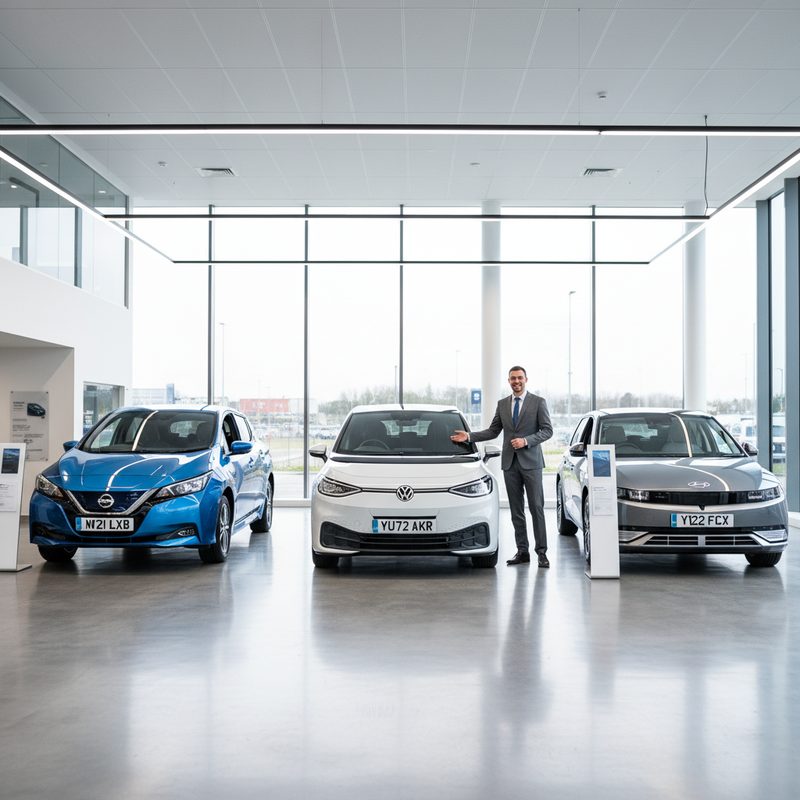
Is It Worth Buying a Used EV in 2025: Honest Guide
Considering a used electric vehicle? This guide covers everything from battery health to charging costs, helping you make an informed decision.
Understanding Battery Health: What to Check and Expect
When you're eyeing a used electric vehicle (EV), one of the most crucial aspects to consider is the battery health. Unlike traditional petrol or diesel cars, the battery is the heart of an EV. It’s not just about how many miles you can drive on a single charge; it’s also about the longevity of that battery and how much it has degraded over time.
Most EVs use lithium-ion batteries, which can lose capacity as they age. Typically, you can expect around 70-80% of the original capacity after several years of use, depending on the model and how it has been treated. For instance, a used Nissan Leaf might have a range of about 70-90 miles left if it has been well cared for, whereas a newer model could still offer close to its original 150-mile range.
To assess battery health, you should ask for the battery report from the seller. Some manufacturers provide diagnostic tools that can give you a clear picture of the battery's state. Additionally, check for any warranty that might still be in place. Many EV batteries come with an 8-year or 100,000-mile warranty, which can provide peace of mind.
Also, consider the charging habits of the previous owner. Frequent fast charging can lead to quicker battery degradation, so if the car has primarily been charged at home using a standard charger, that’s a good sign. You can also check the DVLA vehicle check to see if there have been any reported issues.
If you are weighing up alternatives, our guide to Tesla Model 3 Common Problems covers similar ground from a different angle.
Real-World Range vs Manufacturer Claims
One of the biggest misconceptions about EVs is that they can always deliver the range advertised by manufacturers. In reality, real-world conditions such as temperature, driving style, and terrain can significantly affect how far you can go on a single charge. For example, while a VW ID.3 might claim a range of up to 260 miles, many owners report achieving closer to 200 miles in mixed driving conditions, especially during colder months.
This discrepancy is particularly important to consider if you live in an area with harsh winters. Cold weather can reduce battery efficiency, and you might find that your Nissan Leaf's range drops even further in winter. If you're interested in a specific model, check out guides like Nissan Leaf Real Range UK Winter to get a realistic idea of what to expect.
When evaluating a used EV, ask the seller about their typical driving conditions and how far they usually get on a charge. This will give you a better understanding of what to expect. Also, consider the possibility of a test drive to see how the car performs in your typical driving environment.
For more on this topic, take a look at our Used Nissan Leaf Buying Guide guide.
Charging Costs and Infrastructure
Charging costs are another critical factor when considering a used EV. Generally, charging at home is cheaper than using public charging stations, but the cost can vary depending on your electricity tariff. On average, charging an EV at home costs about 4-6 pence per mile, which is significantly cheaper than petrol or diesel.
If you plan to charge at home, you might want to invest in a home charging point. Installation costs can range from £800 to £1,500, but many local authorities and energy companies offer grants to help offset these costs. On the other hand, if you rely on public charging, you’ll need to factor in the costs associated with that, which can be higher than home charging. Some public charging stations charge per kWh, while others may have a flat fee.
The UK has made significant strides in expanding its charging infrastructure, with thousands of charging points available across the country. However, the availability of fast chargers can vary by region. If you frequently travel long distances, it’s worth checking the AutoTrader website or apps that show charging locations along your route.
You might also find our Used Hyundai Ioniq Electric guide useful alongside this one.
Common Problems Specific to EVs and Hybrids
Like any vehicle, used EVs and hybrids come with their own set of potential issues. One common problem is battery degradation, which we’ve touched on earlier. However, other issues can arise, particularly with older models. For example, some early Electric Cars may have outdated software that can affect performance or charging efficiency.
Another concern is the electric motor and associated components. While these are generally more reliable than internal combustion engines, they can still experience issues, particularly if the vehicle has been poorly maintained. Look out for any warning lights on the dashboard during your test drive and ask the seller about any repairs that have been made.
Additionally, check the brakes. EVs often use regenerative braking, which can lead to less wear on brake pads. However, if the vehicle has been driven aggressively, the brakes may still need replacing sooner than expected. You can check the MOT history to see if there have been any recurring issues.
We have covered related ground in our Mercedes EQC guide, which is worth reading if this subject interests you.
Running Cost Savings vs Petrol/Diesel
One of the most appealing aspects of buying a used EV is the potential for savings on running costs. Generally, EVs are cheaper to run than their petrol or diesel counterparts. With lower fuel costs, reduced maintenance expenses, and potential tax benefits, many drivers find that switching to electric can save them a significant amount of money over time.
For instance, let’s compare a used Hyundai Ioniq Electric with a petrol equivalent. The Ioniq can achieve around 3.5 miles per kWh, which translates to about £2.50 for a full charge, giving you a range of approximately 150 miles. In contrast, a petrol car might cost you around £20 to fill up for the same distance. You can explore more about this in our guide on Used Hyundai Ioniq Electric: Running Costs Vs Petrol.
Moreover, EVs often have lower insurance premiums and are exempt from road tax, which can further reduce your overall costs. However, keep in mind that some EVs may fall into higher insurance groups, so it’s worth checking the Thatcham insurance groups for the specific model you’re considering.
If things go wrong after purchase, Citizens Advice can help you understand your legal rights.
Dave's Verdict: Is It Worth Going Electric?
After weighing all these factors, the question remains: is it worth buying a used EV? In my honest opinion, it largely depends on your lifestyle and driving habits. If you primarily drive short distances and have access to home charging, a used EV can be a fantastic choice. You’ll enjoy lower running costs, fewer trips to the garage, and a smaller carbon footprint.
However, if you frequently take long journeys or live in an area with limited charging infrastructure, you might find an EV less practical. In that case, a hybrid could be a good compromise, offering some electric range while still relying on petrol for longer trips.
Ultimately, the best advice I can give is to do your homework. Check the battery health, understand the real-world range, and consider your charging options. And remember, you can always check any electric car with my free vehicle intelligence report to get a detailed overview before making a decision. Whether you’re leaning towards a used Hyundai Ioniq, a Nissan Leaf, or even a Tesla, being informed will help you make the right choice for your needs.
In conclusion, buying a used EV can be a smart move in the current market, provided you take the time to understand the specifics of the vehicle you’re considering. With the right information and a bit of patience, you can find a used electric vehicle that suits your lifestyle and budget perfectly.