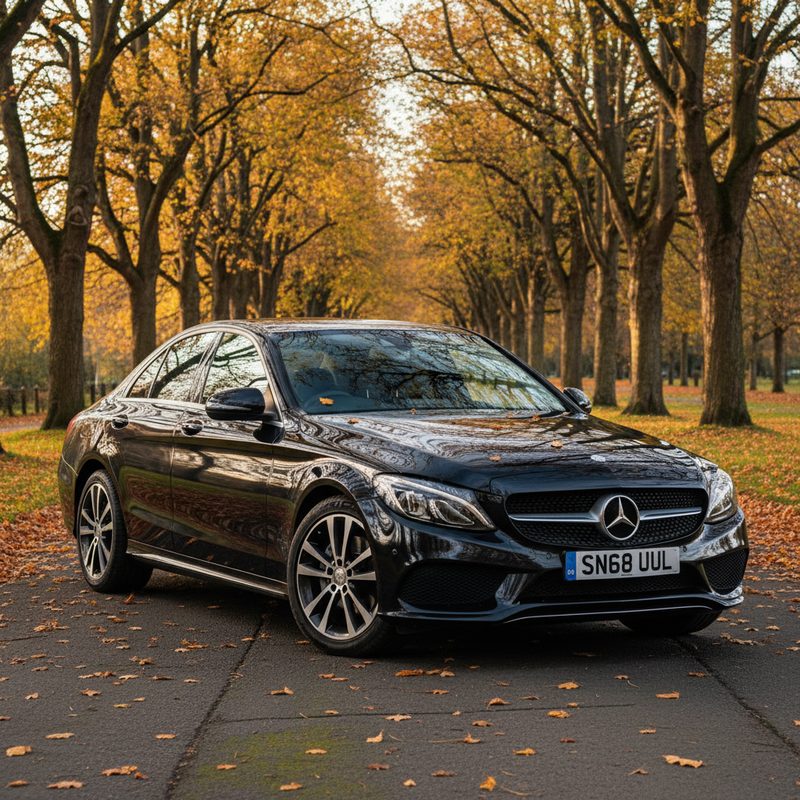
Mercedes EQC: Worth Buying Used or Avoid
This guide evaluates the Mercedes EQC's battery health, range, charging costs, and common issues, helping you decide if it's worth buying used.
Introduction to the Mercedes EQC
The Mercedes EQC is the brand's first fully electric SUV, launched to compete in the growing electric vehicle (EV) market. With its sleek design, luxurious interior, and advanced technology, it aims to attract buyers looking for a premium electric vehicle. However, as with any used car purchase, especially in the EV segment, potential buyers need to weigh the pros and cons carefully. This guide will delve into critical aspects of the EQC, such as battery health, real-world range, charging costs, common problems, and running cost savings compared to petrol and diesel vehicles. By the end, you should have a clearer picture of whether a used Mercedes EQC is a wise investment.
Battery Health: What to Check and Expect
Battery health is arguably the most crucial factor when considering a used electric vehicle. The Mercedes EQC is equipped with a 80 kWh lithium-ion battery, which is designed to provide a long lifespan. However, like all batteries, it will degrade over time. Typically, you can expect around 70-80% of the original capacity after several years of use, depending on how the vehicle has been charged and maintained.
When inspecting a used EQC, it’s essential to check the battery's state of health (SoH). This can often be done through a diagnostic tool or by requesting a battery health report from the seller. A healthy battery should ideally retain at least 80% of its capacity. If the SoH is significantly lower, it could lead to reduced range and performance, which might not justify the purchase price.
Additionally, consider the vehicle's charging habits. Frequent fast charging can accelerate battery degradation, while regular home charging at lower power levels is generally better for battery longevity. Look for a vehicle that has been charged primarily at home rather than at rapid charging stations. You can also check the vehicle's service history for any battery-related issues or replacements.
For peace of mind, I recommend getting a free EV health report before making a purchase. This report can provide insights into the battery's current state and any potential issues you might face down the line.
Real-World Range vs Manufacturer Claims
The Mercedes EQC is marketed with a WLTP (Worldwide Harmonised Light Vehicle Test Procedure) range of around 259 miles on a full charge. However, real-world conditions often yield different results. Factors such as driving style, temperature, and the use of climate control can significantly impact the actual range.
In practice, many EQC owners report achieving around 200-230 miles on a full charge under typical driving conditions. This is still respectable for an electric SUV, but it’s essential to manage your expectations. If you frequently undertake long journeys, the EQC's range may not be sufficient without planning for charging stops.
Moreover, the EQC supports both AC and DC charging, with a maximum charging power of 110 kW for rapid charging. This means you can charge from 10% to 80% in about 40 minutes at a rapid charging station, which is a significant advantage for longer trips. However, if you're relying solely on home charging, the typical 7.4 kW home charger will take around 10 hours for a full charge, so plan accordingly.
Charging Costs and Infrastructure
Charging costs for the Mercedes EQC can vary significantly based on where and how you charge. At home, electricity prices fluctuate, but you can expect to pay around £0.14 to £0.20 per kWh. Therefore, a full charge from empty would cost approximately £11 to £16, giving you a range of about 200-230 miles. This is considerably cheaper than filling up a petrol or diesel vehicle, making the EQC an attractive option for those looking to save on fuel costs.
Public charging infrastructure is also crucial to consider. The UK has been steadily improving its EV charging network, with numerous rapid charging stations available. However, availability can vary by region, so it’s wise to check the coverage in your area. Apps like Zap-Map can help you locate charging points and check their availability in real-time.
While charging at public stations, be aware that costs can be higher than home charging. Rapid chargers may charge £0.30 to £0.50 per kWh, which can add up quickly if you rely on them frequently. Some networks also have subscription models that can offer savings if you charge often.
Common Problems Specific to the EQC
Every vehicle has its quirks, and the Mercedes EQC is no exception. While it generally enjoys a reputation for reliability, there are some common issues that potential buyers should be aware of. One of the most frequently reported problems involves the infotainment system. Some users have experienced glitches or slow responses, which can be frustrating, especially in a premium vehicle.
Another area to watch out for is the regenerative braking system. While this feature is designed to enhance efficiency, some drivers have reported inconsistencies in how it operates, particularly in colder weather. Make sure to test drive the vehicle in various conditions to see how it performs.
Additionally, while the EQC is built to high standards, wear and tear can still occur, particularly on the interior materials. Check for any signs of excessive wear, especially on the seats and dashboard, as these can indicate how well the previous owner maintained the vehicle.
Lastly, always check the vehicle's MOT history through the GOV.UK MOT history service. This can provide insights into any past issues that may have been flagged during inspections.
Running Cost Savings vs Petrol/Diesel
One of the most compelling reasons to consider an electric vehicle like the EQC is the potential for savings on running costs compared to traditional petrol or diesel vehicles. The average cost of petrol in the UK is around £1.40 per litre, and a typical petrol car might achieve about 40 mpg. This translates to a cost of approximately £0.14 per mile.
In contrast, the EQC, with its charging costs averaging around £0.15 per mile, can provide significant savings, especially for those who drive regularly. Over a year, if you cover 10,000 miles, you could save around £300 to £400 compared to a petrol vehicle. Additionally, electric vehicles are exempt from road tax for the first year, and the ongoing costs are generally lower, especially as the government continues to incentivise EV adoption.
However, it’s essential to factor in the initial purchase price. Used EQCs can range from £35,000 to £50,000, depending on age, mileage, and condition. While this is a premium price for a used vehicle, the long-term savings on fuel and maintenance can offset the initial investment over time.
Dave's Verdict: Is It Worth Going Electric?
The Mercedes EQC undoubtedly has its merits. It combines luxury, performance, and the benefits of electric driving into a single package. However, whether it's worth buying used depends on various factors, including your driving habits, budget, and charging access. If you primarily drive short distances and have access to home charging, the EQC can be an excellent choice. Its comfort and technology make it a joy to drive.
On the flip side, if you often undertake long journeys or lack charging infrastructure, you might find the range limiting. Additionally, potential buyers should be vigilant about battery health and common issues. Always consider getting a comprehensive EV health report to ensure you’re making a sound investment.
In conclusion, the Mercedes EQC can be a worthy addition to your driveway, provided you do your homework. Check the battery health, understand the charging costs, and be aware of common problems. If you can navigate these factors successfully, you’ll likely find that the EQC is not just a car but a step towards a more sustainable future.
For further insights, check out our guide on used BMW i3: running costs vs petrol or explore the used BMW i3: common problems before buying.