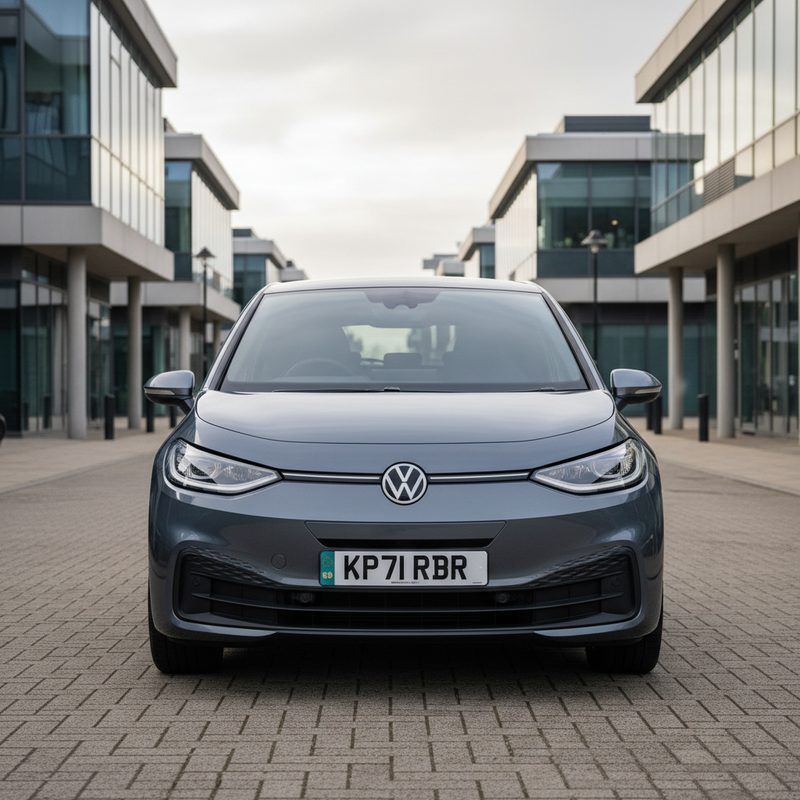
VW ID.3 Used Buying Guide UK — Software Issues Fixed Yet
Considering a used VW ID.3? This guide covers everything from software issues to battery health, ensuring you make an informed decision.
Introduction to the VW ID.3
The VW ID.3 has been making waves in the electric vehicle (EV) market since its launch, promising a blend of practicality, performance, and eco-friendliness. As more drivers look to make the switch from petrol and diesel to electric, the ID.3 stands out as a compelling option. However, like any used car purchase, it's crucial to understand the nuances of the model, especially regarding software issues that have plagued early versions. In this guide, we’ll delve into what you need to know before buying a used VW ID.3, including battery health, real-world range, charging costs, common problems, and running cost savings compared to traditional vehicles.
Understanding Software Issues
One of the most significant concerns surrounding the VW ID.3 has been its software. Early adopters reported various glitches, from infotainment system hiccups to issues with the battery management system. Imagine driving home from work, only to find that your car's navigation system has frozen, leaving you to rely on your phone’s map instead. This was a common frustration for many ID.3 owners.
Volkswagen has since rolled out several updates aimed at addressing these issues. If you’re considering a used ID.3, it’s essential to check whether the vehicle has received these updates. You can do this by asking the seller for the car's service history or checking with a VW dealership. A well-maintained ID.3 that has undergone the necessary software updates should provide a smoother experience.
To ensure you’re making a wise purchase, consider running a free EV health report on any ID.3 you’re interested in. This report can offer insights into the car's software status and whether it has been updated to the latest version. You wouldn’t want to buy a car that’s stuck in the past, especially when it comes to technology.
Battery Health: What to Check
The battery is the heart of any electric vehicle, and the ID.3 is no exception. Understanding the battery health is crucial for your peace of mind and your wallet. When looking at a used ID.3, you should check the state of the battery, which can be influenced by factors such as charging habits and the number of cycles it has gone through.
Typically, the ID.3 is available with different battery capacities, including a 45 kWh, 58 kWh, and 77 kWh option. The larger the battery, the more range you can expect, but also consider how much of that capacity remains. A healthy battery should retain around 80% of its original capacity after a few years of use. If a used ID.3 has significantly lower capacity, it may indicate heavy usage or poor charging habits.
You can check the battery health using diagnostic tools or by requesting a report from the seller. Additionally, keep an eye on the warranty status. VW offers an eight-year warranty on the battery, which can provide peace of mind when purchasing a used model. If the vehicle is still under warranty, you may have recourse for any battery-related issues that arise.
Real-World Range vs Manufacturer Claims
One of the selling points of the ID.3 is its impressive range. VW claims that the ID.3 can achieve up to 263 miles on a full charge with the 77 kWh battery. However, real-world conditions often tell a different story. Factors such as driving style, terrain, and weather can significantly impact range.
For example, if you’re driving in cold weather with the heating on full blast, you might find your range drops to around 200 miles or less. Similarly, if you frequently drive in urban settings with stop-and-go traffic, the range can be affected. It’s essential to manage your expectations and consider how you plan to use the vehicle. If you’re mostly commuting short distances, the ID.3’s range should be more than adequate.
When evaluating a used ID.3, ask the seller about their real-world experience with the vehicle’s range. If possible, take the car for a test drive to see how it performs under your typical driving conditions. This firsthand experience can help you gauge whether the ID.3 meets your needs.
Charging Costs and Infrastructure
Charging your ID.3 is a crucial aspect of ownership, and understanding the costs involved can help you budget effectively. The cost of charging will depend on where and how you charge your vehicle. For instance, charging at home using a standard 7 kW wall box can cost around £7-£10 for a full charge, depending on your electricity rates. This translates to a cost of approximately 3-4 pence per mile.
Public charging stations can vary in price, with some offering free charging while others might charge a fee. Rapid chargers, which can charge your ID.3 to 80% in about 30-40 minutes, may cost more per kWh than slower chargers. It’s worth checking local charging networks, as some may offer subscription models that can save you money if you charge frequently.
In the UK, the charging infrastructure has been steadily improving, making it easier to find charging points. Apps like Zap-Map can help you locate nearby chargers and check their availability. If you’re considering a used ID.3, ensure that the previous owner has not faced significant issues finding charging stations, as this could indicate a lack of infrastructure in your area.
Common Problems Specific to the ID.3
While the ID.3 is generally well-regarded, it’s not without its potential pitfalls. Aside from the aforementioned software issues, some owners have reported problems with the vehicle's build quality. For instance, there have been complaints about squeaks and rattles, particularly in the interior. This might not affect the car's performance, but it can detract from the overall ownership experience.
Another common issue relates to the infotainment system. While the ID.3 features a modern touchscreen interface, some users have found it less intuitive than traditional controls. If you’re someone who prefers physical buttons, you might find the ID.3’s setup frustrating.
Before purchasing a used ID.3, it’s wise to check online forums and owner groups for insights into common problems. Websites like AutoTrader can provide reviews and feedback from current owners, helping you gauge what to expect. Additionally, consider having a trusted mechanic inspect the vehicle to identify any potential issues before finalising your purchase.
Running Cost Savings vs Petrol/Diesel
One of the primary reasons many drivers are considering the switch to electric is the potential for savings on running costs. The ID.3 is no exception. Compared to petrol or diesel vehicles, the cost per mile is significantly lower. With electricity prices fluctuating, you can still expect to save a considerable amount on fuel costs.
For example, if you typically spend £1,200 a year on petrol for a conventional car, switching to an ID.3 could reduce that cost to around £400-£500, depending on your driving habits and electricity rates. Furthermore, electric vehicles are exempt from road tax, which can save you an additional £150-£200 annually.
Insurance costs can also be more favourable for electric vehicles. The ID.3 falls into a relatively low insurance group compared to many petrol and diesel cars. You can check the specific insurance group for the ID.3 on the Thatcham website, which provides detailed information on insurance ratings.
In addition to these savings, consider the environmental benefits of driving an electric vehicle. Not only are you reducing your carbon footprint, but you may also qualify for government incentives or grants aimed at encouraging the adoption of electric vehicles.
Dave's Verdict: Is It Worth Going Electric?
After weighing the pros and cons, the VW ID.3 presents a compelling case for anyone considering a used electric vehicle. While there are software issues to be aware of, many of these have been addressed through updates. The battery health, real-world range, and running cost savings make it an attractive option for those looking to make the switch.
However, it’s essential to do your homework. Ensure you check the vehicle’s software status, battery health, and any common problems before making a purchase. By taking these steps, you can enjoy the benefits of driving an electric vehicle without the headaches that can come with early models.
If you’re considering a used VW ID.3, don’t forget to run a free EV health report. This simple step can provide you with valuable insights and help you make an informed decision. In the end, the ID.3 could be the perfect vehicle to meet your needs, offering a blend of modern technology, cost savings, and environmental benefits that are hard to beat.
Conclusion
In summary, the VW ID.3 is a strong contender in the used electric vehicle market. With its impressive range, potential cost savings, and the growing charging infrastructure, it’s an excellent choice for those looking to transition to electric driving. Just be sure to check for software updates, battery health, and common issues to ensure you’re making a wise investment. With the right research and preparation, you can enjoy all the benefits of driving a VW ID.3 while contributing to a more sustainable future.
For further insights into other vehicles, you might also want to explore the VW Polo Running Costs — Insurance Fuel and Servicing or compare the VW Golf vs Ford Focus Used — Which Is Better Value?.
Check VW ID.3, instantly with Dave's free vehicle intelligence report.
Check any VW ID.3 with Dave's free EV health report