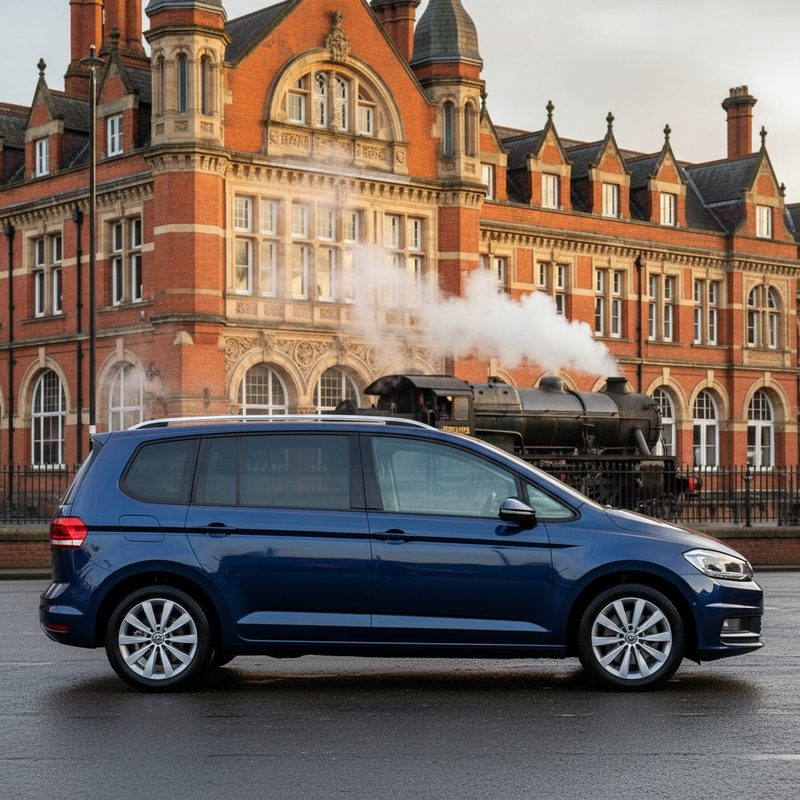
2018 VW Touran: Practical MPV Buying Guide
This guide provides an in-depth look at the 2018 VW Touran, detailing its strengths, weaknesses, and essential buying tips for prospective owners.
Overview of the 2018 VW Touran
The 2018 Volkswagen Touran is a versatile MPV that combines practicality with a touch of style. Designed with families in mind, it offers ample space, a comfortable ride, and a host of features that make it a strong contender in the used car market. With a reputation for reliability and safety, the Touran has been a popular choice among UK buyers. The 2018 model year brought some updates, including improved infotainment options and enhanced fuel efficiency, making it an appealing option for those seeking a family vehicle.
In terms of size, the Touran measures approximately 4,527 mm in length, 1,829 mm in width, and 1,634 mm in height, providing generous interior space. The seating configuration can accommodate up to seven passengers, with the option to fold down the rear seats for increased boot capacity. With a starting price of around £22,000 for a new model, the Touran has retained a decent resale value, making it a viable option in the used car market.
Pros and Cons of the 2018 VW Touran
When considering the 2018 VW Touran, it’s essential to weigh its advantages against potential drawbacks.
Pros:
- Spacious Interior: The Touran boasts an impressive amount of space, with plenty of headroom and legroom for all passengers. The flexible seating arrangements allow for various configurations, making it easy to adapt to different needs.
- Quality Build: As with most Volkswagen models, the Touran is built to a high standard. The materials used in the interior are of good quality, and the overall fit and finish are commendable.
- Safety Features: The 2018 model comes equipped with numerous safety features, including multiple airbags, electronic stability control, and advanced driver assistance systems, contributing to its strong safety ratings.
- Fuel Efficiency: The Touran offers a range of efficient engines, with the 1.6 TDI diesel variant achieving up to 68 mpg, making it a cost-effective choice for long-distance driving.
- Technology: The infotainment system is user-friendly, featuring a touchscreen display, smartphone integration, and optional navigation, enhancing the driving experience.
Cons:
- Price Point: While the Touran offers great value, it can be pricier than some competitors in the MPV segment, particularly when considering higher trim levels.
- Performance: The engine options, while efficient, may not provide the spirited performance some drivers desire. The 1.2 TSI petrol engine, for example, can feel underpowered when fully loaded.
- Limited Boot Space with All Seats Up: While the Touran is spacious, the boot space can be limited when all seven seats are in use, which may not suit larger families with lots of luggage.
- Depreciation: Although it holds its value well, the Touran still experiences depreciation, which can be a consideration for those looking to sell in the future.
- Optional Extras: Many desirable features are only available as part of optional packages, which can increase the overall cost significantly.
Common Problems and Known Issues
As with any vehicle, the 2018 VW Touran is not without its potential issues. Understanding common problems can help buyers make informed decisions and avoid costly repairs down the line.
-
Electrical Issues: Some owners have reported problems with the electrical system, particularly with the infotainment system. Issues may include screen freezes or connectivity problems with smartphones. It’s advisable to check the functionality of these systems during a test drive.
-
DSG Transmission Problems: The dual-clutch DSG transmission, while generally reliable, has been known to exhibit jerky shifts or delays in engagement. This is particularly relevant for models equipped with the 2.0 TDI engine. A thorough inspection and test drive can help identify any transmission-related issues.
-
Suspension Wear: Some users have noted premature wear on suspension components, particularly on models that have been driven on rough roads. Listen for unusual noises during the test drive and check for any signs of wear or damage.
-
Turbocharger Failures: The 2.0 TDI engine can experience turbocharger issues, particularly if the vehicle has not been serviced regularly. Ensure that the service history is complete and that the vehicle has received timely oil changes.
-
Interior Wear: While the build quality is generally high, some owners have reported wear on the upholstery and trim, particularly in high-use areas. Inspect the interior for any signs of excessive wear or damage.
MOT Failure Patterns
Understanding common MOT failure patterns can help prospective buyers gauge the reliability of the 2018 VW Touran. The following are typical issues that may arise during an MOT test:
-
Emissions Failures: Diesel models, particularly those with the 2.0 TDI engine, may face emissions-related failures if the diesel particulate filter (DPF) is not functioning correctly. Regular maintenance and ensuring the DPF is not blocked can mitigate this risk.
-
Suspension and Steering Components: Worn suspension components, such as shock absorbers and bushings, are common failure points. Inspecting the vehicle for any signs of wear and ensuring it has been regularly maintained can help avoid these issues.
-
Brakes: Brake pads and discs are wear items that can lead to MOT failures if they are worn beyond the legal limit. Ensure that the vehicle has a complete service history that includes brake maintenance.
-
Tyres: Tyre condition is a frequent cause of MOT failures. Check for tread depth and any signs of uneven wear, which could indicate alignment issues.
-
Lighting and Visibility: Faulty lights, including headlights, brake lights, and indicators, can lead to MOT failures. Ensure all lights are functioning correctly before purchasing.
Price Expectations
When considering the purchase of a 2018 VW Touran, it’s essential to have a clear understanding of the price range you can expect in the used car market. Prices can vary significantly based on factors such as mileage, condition, and trim level.
-
Price Range: As of late 2023, you can expect to pay between £17,000 and £24,000 for a used 2018 VW Touran. Lower-priced models will typically have higher mileage or be in lower trim levels, while higher-priced models may feature additional options and lower mileage.
-
Mileage Considerations: A Touran with around 30,000 miles may fall in the £20,000 to £22,000 range, while those with over 60,000 miles may be priced closer to £17,000. Always consider the vehicle's service history and condition when evaluating price.
-
Trim Levels: The Touran is available in several trim levels, including S, SE, SEL, and R-Line. Higher trims come with additional features such as larger alloy wheels, upgraded infotainment systems, and advanced safety features, which can influence the price significantly.
-
Market Variability: Prices can fluctuate based on market demand, seasonal trends, and regional differences. It’s advisable to research local listings and compare prices to ensure you’re getting a fair deal.
-
Negotiation Tips: When negotiating the price, consider factors such as the vehicle's condition, service history, and any potential repairs needed. Be prepared to walk away if the price does not align with your budget or the vehicle's condition.
Running Costs Overview
Understanding the running costs associated with the 2018 VW Touran is crucial for budgeting and ensuring it fits your financial plans. Here’s a breakdown of typical expenses:
-
Fuel Costs: The fuel efficiency of the Touran varies depending on the engine choice. The 1.6 TDI diesel engine offers impressive fuel economy, averaging around 68 mpg, while the petrol variants, such as the 1.2 TSI, average around 50 mpg. With fuel prices averaging around £1.50 per litre, you can expect to spend approximately £1,200 to £1,500 annually on fuel, depending on your driving habits.
-
Insurance Costs: Insurance premiums for the Touran can vary based on factors such as your age, driving history, and location. On average, you can expect to pay between £600 and £900 annually for comprehensive coverage. It’s advisable to shop around and compare quotes from various insurers to find the best deal.
-
Servicing and Maintenance: Regular servicing is essential for keeping the Touran in good condition. Volkswagen recommends servicing every 12 months or 10,000 miles, with costs typically ranging from £150 to £300 per service, depending on the work required. Additionally, budget for occasional repairs, which can vary based on the vehicle's condition and mileage.
-
Road Tax: The road tax for the 2018 VW Touran varies based on the engine size and emissions. For example, the 1.6 TDI falls into a lower tax bracket, costing approximately £20 to £30 per year, while the 2.0 TDI may cost around £150 annually. Always check the specific tax band for the model you are considering.
-
Depreciation: While the Touran holds its value relatively well, it will still experience depreciation over time. On average, you can expect a depreciation rate of around 15-20% per year, which is important to consider if you plan to sell the vehicle in the future.
Final Thoughts
The 2018 VW Touran is a solid choice for families seeking a practical and reliable MPV. With its spacious interior, quality build, and range of efficient engines, it offers a compelling package for those in the market for a used vehicle. However, potential buyers should be aware of common issues, MOT failure patterns, and running costs to ensure they make an informed decision.
Before making a purchase, it’s advisable to conduct thorough research, including checking the vehicle's history with a service like Dave's free vehicle intelligence report. This can help uncover any hidden issues and provide peace of mind. Ultimately, the 2018 VW Touran can be a great buy for the right buyer, but due diligence is essential to ensure you’re making a sound investment.