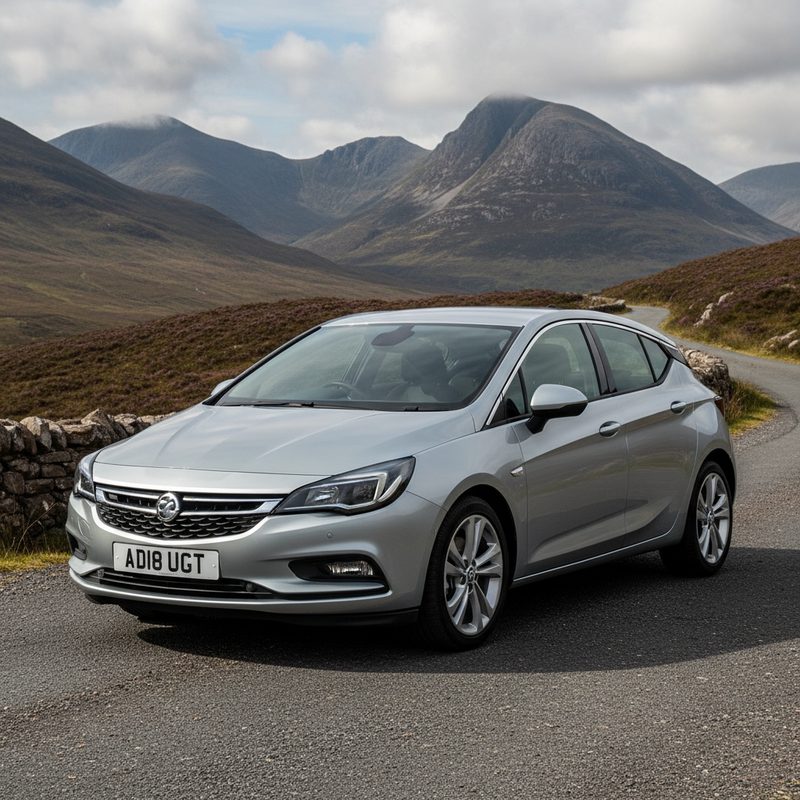
2017 Vauxhall Astra Common Problems UK
This guide delves into the common issues, costs, and expert insights on the 2017 Vauxhall Astra, helping potential buyers make informed decisions.
Overview of the 2017 Vauxhall Astra
The 2017 Vauxhall Astra is a popular choice among UK drivers, known for its stylish design, comfortable interior, and efficient engines. As part of the Astra's seventh generation, this model offers a range of features that appeal to both families and individuals. With a starting price around £15,000 for a used model, it competes well against rivals like the Ford Focus and Volkswagen Golf. However, like any vehicle, it comes with its own set of common problems that potential buyers should be aware of before making a purchase.
In this guide, we will explore the common issues associated with the 2017 Vauxhall Astra, typical MOT failure patterns, expected price ranges, and running costs. By the end of this article, you will have a comprehensive understanding of what to look for when considering this vehicle, and whether it’s a good buy for your needs.
Common Problems and Known Issues
While the 2017 Vauxhall Astra is generally well-regarded, it is not without its faults. Here are some of the most frequently reported issues:
1. Electrical Problems
One of the most common issues reported by Astra owners is electrical faults. These can manifest in various ways, including malfunctioning dashboard lights, issues with the infotainment system, and problems with the central locking. Owners have noted that these electrical gremlins can be intermittent, making them difficult to diagnose. If you’re considering a used Astra, it’s wise to thoroughly check all electrical components, especially if the vehicle has been exposed to moisture or has a history of electrical repairs.
2. Engine Issues
Some Astra owners have reported problems with the engine, particularly with the 1.4-litre turbocharged petrol variant. Symptoms can include rough idling, loss of power, and unusual noises from the engine bay. In some cases, these issues have been traced back to faulty ignition coils or spark plugs. If you notice any of these symptoms during a test drive, it’s advisable to have a professional mechanic inspect the vehicle before making a purchase.
3. Suspension Problems
Another area of concern is the suspension system. Owners have reported issues such as knocking noises when driving over bumps, which can indicate worn suspension components. The Astra's suspension is generally robust, but if the vehicle has been driven hard or has high mileage, it’s worth checking for any signs of wear and tear. A thorough inspection of the suspension can save you from costly repairs down the line.
4. Gearbox Issues
Some drivers have experienced problems with the automatic gearbox, particularly in models equipped with the 6-speed automatic transmission. Symptoms can include hesitation during gear changes, slipping, or even complete failure to engage gears. If you’re considering an automatic Astra, it’s crucial to test the gearbox thoroughly during your test drive and ensure that it shifts smoothly without any unusual noises.
5. Air Conditioning Problems
The air conditioning system in the Astra has also been a point of contention for some owners. Reports of weak airflow or complete failure of the air conditioning system have surfaced, often attributed to leaks in the refrigerant system or faulty compressors. Given the UK’s variable weather, a functioning air conditioning system is essential for comfort, making this an important aspect to check.
MOT Failure Patterns
Understanding common MOT failure patterns can provide valuable insights into the reliability of the 2017 Vauxhall Astra. According to the latest data from the DVSA, the following areas are where Astra models have frequently failed their MOT tests:
1. Lighting and Signalling
A significant number of MOT failures are attributed to issues with lighting and signalling. This includes faulty headlights, brake lights, and indicators. Given that the Astra is equipped with various lighting technologies, including LED lights, it’s essential to check that all lights are functioning correctly before purchasing.
2. Suspension and Steering
As previously mentioned, suspension issues are a common concern. MOT testers often flag worn suspension components, such as shock absorbers and springs. Additionally, steering components can also be scrutinised, so it’s advisable to have the steering system checked for any play or unusual noises.
3. Brakes
Braking systems are critical for safety, and any issues here can lead to MOT failures. Common problems include worn brake pads, discs, and issues with the brake fluid. It’s essential to ensure that the Astra’s braking system is in good condition, especially if the vehicle has high mileage.
4. Emissions
With increasing scrutiny on emissions, many vehicles, including the Astra, face challenges in passing emissions tests. Ensure that the vehicle’s exhaust system is intact and that there are no leaks, as this can lead to increased emissions and potential MOT failure.
5. Tyres
Tyres are another common area of failure, with issues such as insufficient tread depth and uneven wear being frequently reported. The legal minimum tread depth in the UK is 1.6mm, but for optimal safety, it’s advisable to replace tyres when they reach 3mm.
What You Should Expect to Pay
When considering the purchase of a 2017 Vauxhall Astra, it’s essential to understand the price range you can expect. Prices can vary significantly based on factors such as mileage, condition, and trim level. Here’s a breakdown of what you might encounter:
1. Price Range
For a used 2017 Astra, prices typically range from £12,000 to £18,000. Lower-end models with higher mileage (around 50,000 miles) can be found for around £12,000, while well-maintained models with lower mileage (under 30,000 miles) can command prices closer to £18,000. Special editions or higher trim levels, such as the Astra VXR, may fetch even higher prices.
2. Depreciation
As with any vehicle, depreciation plays a significant role in pricing. The Astra has shown a steady depreciation rate, averaging around 15-20% per year. This means that a vehicle purchased for £15,000 in 2017 might be worth around £10,500 to £12,000 today, depending on its condition and mileage.
3. Additional Costs
In addition to the purchase price, potential buyers should also factor in additional costs such as road tax, insurance, and servicing. Road tax for the Astra typically ranges from £140 to £200 per year, depending on the engine size and emissions. Insurance costs can vary widely, but on average, you can expect to pay between £600 and £800 annually for comprehensive coverage.
Running Costs Overview
Understanding the running costs of the 2017 Vauxhall Astra is crucial for budgeting. Here’s a closer look at what to expect:
1. Fuel Economy
The Astra is known for its fuel efficiency, particularly with the diesel variants. The 1.6-litre diesel engine can achieve up to 70 mpg, while the petrol variants typically range from 40 to 55 mpg, depending on driving conditions. This makes the Astra a cost-effective option for daily commuting.
2. Servicing Costs
Regular servicing is essential for maintaining the Astra’s performance and reliability. On average, a full service can cost between £150 and £250, depending on the garage and the specific services required. It’s advisable to follow the manufacturer’s service schedule to prevent any potential issues down the line.
3. Tyre Replacement
Tyre costs can vary based on the brand and size, but you can expect to pay between £60 and £100 per tyre for a decent quality replacement. Given the Astra’s typical tyre wear, it’s wise to budget for replacements every 20,000 to 30,000 miles.
4. Insurance Costs
As previously mentioned, insurance costs can range from £600 to £800 annually. Factors such as your location, driving history, and the specific model of Astra can all influence your premium. It’s advisable to shop around and compare quotes from different insurers to find the best deal.
Dave's Honest Verdict
In conclusion, the 2017 Vauxhall Astra presents a solid option for those in the market for a used car. With its stylish design, efficient engines, and comfortable interior, it ticks many boxes for potential buyers. However, it’s crucial to be aware of the common problems and known issues that can arise.
If you’re considering purchasing a 2017 Astra, ensure that you conduct a thorough inspection and check for any signs of the common problems discussed. Additionally, obtaining a vehicle history report can provide valuable insights into the car’s past, including any previous accidents or repairs.
Ultimately, if you find a well-maintained Astra with a full service history and it passes your inspection, it can be a reliable and economical choice. However, if you encounter a vehicle with multiple issues or a lack of maintenance records, it may be wise to look elsewhere. Always remember to check any Vauxhall Astra instantly with Dave's free vehicle intelligence report to ensure you’re making a smart buying decision.
By staying informed and vigilant, you can navigate the used car market with confidence and find a 2017 Vauxhall Astra that meets your needs and expectations.