Buying At Auction Risks And Tips: Dave's Complete Guide
Navigating car auctions can be tricky. This guide covers risks, tips, and essential checks to help you make informed decisions when buying a used car at auction.
Understanding Car Auctions
Buying a used car at auction can be an exhilarating experience, but it also comes with its own set of risks and challenges. Car auctions are often seen as a way to snag a bargain, but they can also be a minefield if you're not prepared. In the UK, auctions can be held by various entities, including local councils, private auction houses, and online platforms. Each type of auction may have its own rules and procedures, so understanding the environment is crucial.
At the time of writing, online auctions have gained significant popularity, allowing buyers to bid from the comfort of their homes. However, this convenience can lead to impulsive decisions, as the excitement of bidding can cloud your judgment. Traditional in-person auctions, while offering a more tactile experience, can also be intimidating for first-time buyers. Regardless of the format, knowing what to expect can help you navigate the process more effectively.
The Risks Involved in Buying at Auction
While the potential for savings is enticing, buying a car at auction carries several risks. Here are some of the most significant ones:
Lack of Vehicle History
One of the primary concerns when purchasing a car at auction is the lack of detailed vehicle history. Unlike buying from a dealer, where you might receive a comprehensive report, auction cars often come with minimal information. This can lead to issues such as undisclosed accidents, outstanding finance, or even the vehicle being stolen. To mitigate this risk, always conduct a thorough CarBuyerIQ Vehicle Check before placing a bid. This free check provides essential information, including MOT history and mileage records, helping you make an informed decision.
Impulse Buying
The fast-paced environment of an auction can lead to impulse buying. The excitement of bidding can cause you to overlook critical details about the car. It is essential to set a budget beforehand and stick to it. Remember, the thrill of winning a bid can lead to overspending, which can negate any potential savings.
Limited Inspection Opportunities
At many auctions, you may have limited time to inspect the vehicle before bidding. This can be particularly problematic if the car has hidden issues that are not immediately visible. Always take the time to thoroughly inspect the vehicle or, if possible, bring along a knowledgeable friend or a mechanic. A used car inspection checklist can be invaluable in ensuring you do not miss any critical aspects.
No Warranty or Returns
Most auction sales are final, meaning you cannot return the car if you discover issues after the purchase. This lack of warranty can be daunting, especially for first-time buyers. It is crucial to do your due diligence and ensure you are confident in your decision before bidding.
Competition and Bidding Wars
Bidding wars can escalate quickly, leading to prices that exceed the vehicle's market value. It is essential to research the car's worth beforehand. Websites like AutoTrader can provide insights into current market prices, helping you gauge what a fair price is. Additionally, consider using resources like What Is A Fair Price For A Used Car: Dave's Complete Guide to understand the valuation better.
Preparing for the Auction
Preparation is key to a successful auction experience. Here are some steps to take before you even step foot in the auction house or log into an online platform:
Research the Auction House
Not all auction houses are created equal. Some may have a better reputation than others, and understanding their policies can save you a lot of headaches. Look for reviews online, ask for recommendations, and check their track record for selling quality vehicles. Knowing the auction house's terms and conditions is crucial, especially regarding fees and buyer's premiums.
Set a Budget
Before you even think about bidding, establish a clear budget. Factor in additional costs such as auction fees, potential repairs, and insurance. Stick to this budget during the auction to avoid overspending. It can be helpful to write down your maximum bid for each vehicle you are interested in, ensuring you do not get carried away in the heat of the moment.
Inspect the Vehicles
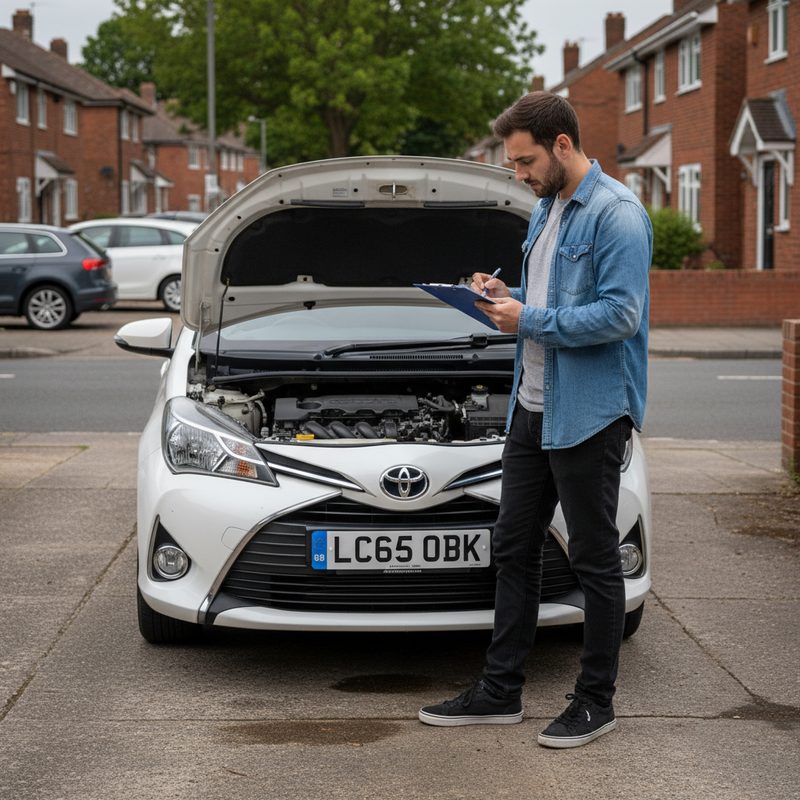
If possible, attend the auction preview day to inspect the cars on offer. Use your checklist to assess the vehicle's condition, looking for signs of wear and tear, rust, and any potential mechanical issues. If you are unsure about a particular vehicle, consider bringing a mechanic along to provide a professional opinion. Remember, a thorough inspection can save you from costly repairs down the line.
Check Vehicle History
As mentioned earlier, obtaining a vehicle history report is essential. Use the CarBuyerIQ Vehicle Check to gather information about the car's past, including any accidents, outstanding finance, or previous ownership details. This step is crucial in ensuring you do not end up with a lemon.
Know Your Rights
Understanding your legal rights as a buyer is essential. In the UK, auction sales are typically conducted under the principle of "buyer beware". This means that once you purchase a vehicle, you are responsible for any issues that arise. Familiarise yourself with the Consumer Rights Act and know what protections you have in place.
Common Mistakes to Avoid
Even seasoned buyers can make mistakes at auctions. Here are some common pitfalls to be aware of:
Not Doing Enough Research
Failing to research the vehicles you are interested in can lead to poor purchasing decisions. Always check the market value, read reviews, and gather as much information as possible about the car's make and model. Resources like How To Read An MOT History Like An Expert: Dave's Complete Guide can help you understand what to look for in a vehicle's history.
Ignoring Fees
Many buyers focus solely on the hammer price, forgetting about additional fees that can significantly increase the total cost. Auction houses often charge a buyer's premium, which can be a percentage of the final bid. Make sure to factor this into your budget to avoid any surprises.
Bidding Without a Plan
Entering an auction without a clear bidding strategy can lead to chaos. Decide beforehand how much you are willing to bid on each vehicle and stick to that plan. It can be helpful to practice bidding in your head before the auction to get a feel for the process.
Skipping the Test Drive
While it may not always be possible to test drive a car at auction, if the opportunity arises, take it. A test drive can reveal issues that may not be apparent during a visual inspection. If the auction allows for test drives, make sure to take advantage of this opportunity.
Legal Rights and Protections
Understanding your legal rights when buying a car at auction is crucial. In the UK, the Consumer Rights Act provides some protections for buyers, but these can be limited in auction settings. Generally, auction sales are considered to be "as seen, as described". This means that if you buy a car with known faults, you may not have grounds for a refund or exchange.
However, if the auction house misrepresents the vehicle or fails to disclose significant issues, you may have a case for a refund. Always keep records of your purchase and any communications with the auction house. This documentation can be invaluable if disputes arise.
Practical Tips from Dave's Experience
Having navigated numerous auctions, I have gathered some practical tips that can enhance your experience:
Attend Multiple Auctions
If you are serious about buying at auction, consider attending a few without the intention to buy. This will give you a feel for the process, the atmosphere, and the types of vehicles available. Observing how bidding works can also help you develop your strategy.
Network with Other Buyers
Building relationships with other auction-goers can provide valuable insights. Experienced buyers may share tips or even alert you to vehicles they think are worth your attention. Networking can also lead to partnerships, where you can team up with someone to share knowledge and resources.
Be Patient
Patience is key when buying at auction. If you do not find the right vehicle on your first attempt, do not be discouraged. Auctions are held regularly, and the right car may come along at the next one. Rushing into a purchase can lead to regret, so take your time.
Use Technology to Your Advantage
In the current market, many auction houses offer online bidding platforms. Familiarise yourself with these tools, as they can provide additional information about the vehicles and allow you to bid from anywhere. Make sure to check the auction's website for any specific requirements or rules regarding online bidding.
Conclusion
Buying a car at auction can be a rewarding experience if approached with caution and preparation. By understanding the risks involved, preparing adequately, and knowing your rights, you can navigate the auction landscape more effectively. Always remember to conduct thorough checks, including a CarBuyerIQ Vehicle Check, to ensure you are making a sound investment. With the right approach, you can find a great vehicle at a price that suits your budget. Happy bidding!
How to Steps
["Set Your Budget"]: "Determine how much you are willing to spend, including auction fees and potential repairs." ["Research the Auction House"]: "Look into the reputation and policies of the auction house before attending." ["Inspect the Vehicles"]: "Take the time to inspect any cars you are interested in, using a checklist to guide you." ["Check Vehicle History"]: "Obtain a vehicle history report to uncover any potential issues before bidding." ["Know Your Rights"]: "Familiarise yourself with your legal rights as a buyer in auction settings."