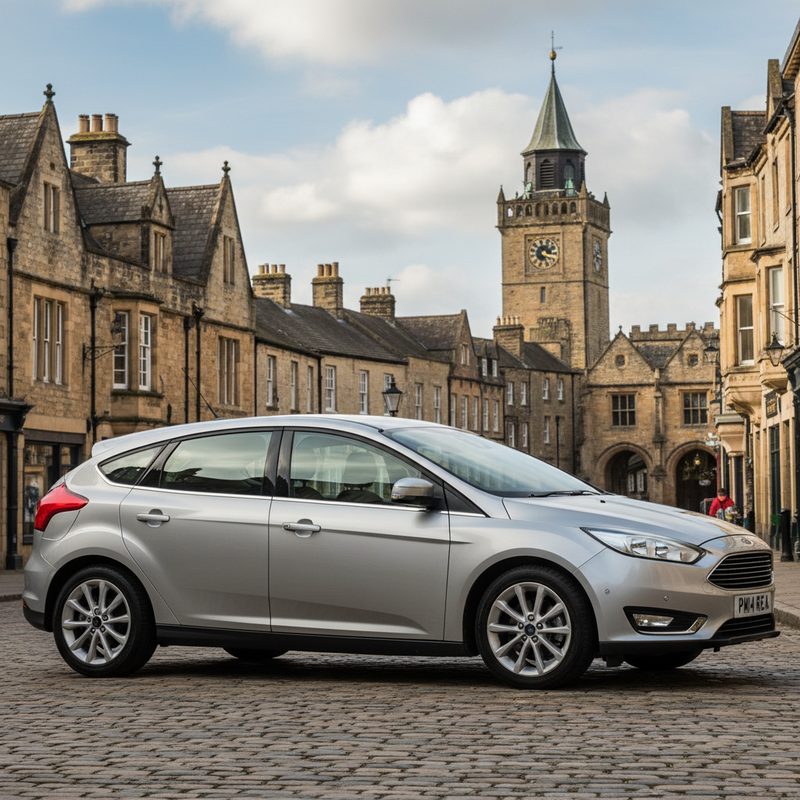
2014 Ford Focus at 100,000 Miles: What to Expect
Considering a 2014 Ford Focus with 100,000 miles? This guide covers everything from common problems to running costs, helping you make an informed decision.
Overview of the 2014 Ford Focus
The 2014 Ford Focus is a compact car that has garnered a solid reputation for its blend of style, performance, and practicality. With its sleek design and comfortable interior, it’s no wonder that many buyers are drawn to it. However, if you’re looking at a model with around 100,000 miles on the clock, it’s essential to know what to expect. At this mileage, the car may have seen its fair share of wear and tear, so understanding its strengths and weaknesses is crucial for making a wise purchase.
Is the 2014 Ford Focus a Good Buy?
When considering a used car, particularly one with significant mileage, it’s vital to assess its overall reliability and performance. The 2014 Ford Focus generally receives positive reviews, particularly for its handling and fuel efficiency. Many owners praise its responsive steering and comfortable ride, making it a great choice for both city driving and longer journeys.
However, like any vehicle, it’s not without its faults. The Focus has been known to experience certain issues, particularly as it ages. If you’re eyeing a model with 100,000 miles, you’ll want to ensure that it has been well-maintained and that any common problems have been addressed. Overall, if you find a well-cared-for example, it can still be a solid buy, but be prepared to do your homework.
Common Problems and Known Issues
As with any used car, it’s essential to be aware of the common problems associated with the 2014 Ford Focus. Here are some of the most frequently reported issues:
1. Transmission Problems
One of the most significant concerns with the 2014 Focus is its automatic transmission, particularly the PowerShift dual-clutch system. Many owners have reported issues such as rough shifting, hesitation, and even complete failure. If you’re considering a Focus, it’s crucial to test the transmission thoroughly during your test drive. Listen for any unusual noises and pay attention to how smoothly it shifts.
2. Electrical Issues
Another common problem reported by Focus owners involves electrical gremlins. This can range from minor annoyances, like malfunctioning power windows, to more serious issues affecting the car’s central locking system or dashboard displays. Ensure that all electrical components are functioning correctly before making a purchase.
3. Suspension Wear
With 100,000 miles, the suspension components may show signs of wear. Listen for any knocking noises when driving over bumps, and check for uneven tyre wear, which can indicate alignment issues. Replacing worn suspension parts can be costly, so factor this into your budget if you notice any problems.
4. Cooling System Failures
Some owners have reported issues with the cooling system, particularly with the thermostat and water pump. Overheating can lead to severe engine damage, so it’s vital to ensure the cooling system is functioning correctly. Check for any signs of leaks or coolant loss.
5. Brake Wear
Brakes are another area to inspect closely. Depending on how the previous owner drove the car, the brake pads and discs may need replacing. Listen for any grinding noises when applying the brakes and check the thickness of the pads.
MOT Failure Patterns
When it comes to the MOT, the 2014 Ford Focus has some common failure points that prospective buyers should be aware of. Understanding these can help you gauge the condition of the vehicle you’re considering:
1. Emissions
As with many modern vehicles, emissions are a critical factor in the MOT test. Ensure that the Focus has been well-maintained and that the exhaust system is in good condition. If the car has been modified or not serviced regularly, it may struggle to pass this part of the test.
2. Tyres
Tyre condition is another frequent failure point. Check the tread depth and look for any signs of uneven wear. The legal limit for tread depth in the UK is 1.6mm, but it’s wise to replace tyres well before they reach this limit for safety reasons.
3. Lights and Indicators
Faulty lights and indicators are a common cause of MOT failures. Make sure all lights, including headlights, brake lights, and indicators, are functioning correctly. A simple bulb replacement can save you from a failed MOT.
4. Suspension and Steering
As mentioned earlier, suspension issues can lead to MOT failures. Inspect the suspension components for any signs of wear or damage. Any excessive play in the steering can also be a red flag.
5. Windscreen Wipers and Washers
Worn wipers or a malfunctioning washer system can lead to a failed MOT. Ensure that the wipers clear the windscreen effectively and that the washer fluid is working properly.
What You Should Expect to Pay
When it comes to pricing, the cost of a 2014 Ford Focus with 100,000 miles can vary significantly based on condition, trim level, and location. As of now, you can expect to pay anywhere between £6,000 to £9,000 for a well-maintained example. Here’s a breakdown of what you might find:
- Base Models: These typically start around £6,000 to £7,000. They may lack some of the more desirable features but can still offer good value.
- Mid-Range Models: Expect to pay between £7,500 and £8,500 for models with more features, such as upgraded infotainment systems or better interior materials.
- Top Spec Models: If you’re looking at higher trims with additional features like leather seats, advanced safety systems, or larger alloy wheels, prices can reach £9,000 or more.
Always consider the vehicle’s service history and condition when assessing its value. A well-documented service history can justify a higher price, while a lack of maintenance records should raise red flags.
Running Costs Overview
Understanding the running costs of a 2014 Ford Focus is essential for budgeting. Here’s a breakdown of what you can expect:
1. Fuel Economy
The 2014 Focus offers decent fuel economy, with petrol models averaging around 40-45 mpg, while diesel variants can achieve up to 70 mpg. If you’re doing a lot of motorway driving, the diesel may be the better option for you.
2. Insurance Costs
Insurance premiums can vary based on factors like your location, driving history, and the specific model. Generally, the Focus falls into insurance groups 14-18, meaning you can expect to pay anywhere from £600 to £1,000 annually, depending on your circumstances.
3. Servicing and Maintenance
Regular servicing is crucial for keeping your Focus running smoothly. A full service typically costs between £150 and £300, depending on where you go. Additionally, factor in costs for tyres, brakes, and any unexpected repairs, especially if the car has high mileage.
4. Road Tax
Road tax for the 2014 Ford Focus varies depending on the engine size and emissions. Expect to pay between £20 and £150 annually, with diesel models generally falling on the higher end due to stricter emissions regulations.
Dave's Honest Verdict
So, what’s the final word on the 2014 Ford Focus at 100,000 miles? If you find a well-maintained example with a solid service history, it can still be a good buy. The Focus offers a great blend of comfort, handling, and fuel efficiency, making it a practical choice for many drivers.
However, be vigilant about the common issues, especially the transmission and electrical problems. Always take the time to have any used car thoroughly inspected by a trusted mechanic before making a purchase. If you’re unsure, consider using Dave's free vehicle intelligence report to get a comprehensive overview of the car’s history and condition.
In conclusion, the 2014 Ford Focus can be a reliable and enjoyable car, but due diligence is essential. If you’re prepared to invest the time in finding a good one, you could end up with a fantastic vehicle that serves you well for years to come.