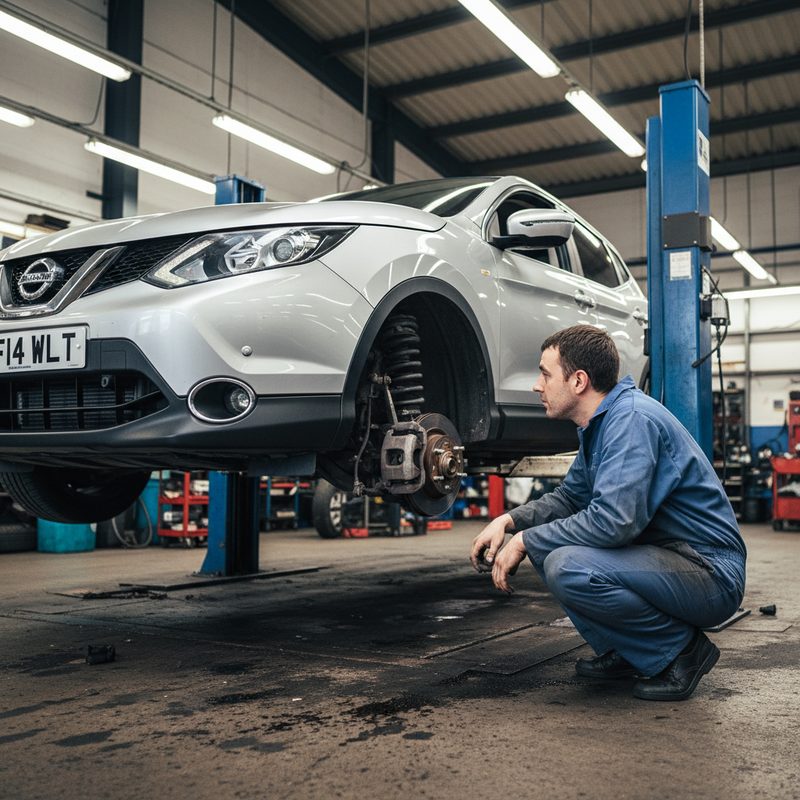
Suspension Top Mount Bearing Worn MOT Advisory: Cost Guide
This guide explains what a worn suspension top mount bearing advisory means, its seriousness, typical repair costs, and how it affects your car's value.
Understanding the Suspension Top Mount Bearing
When you receive an MOT advisory for a worn suspension top mount bearing, it can be a source of concern. But what does this actually mean? In simple terms, the suspension top mount bearing is a crucial component that connects the suspension strut to the vehicle's body. It allows for the smooth movement of the suspension system while also supporting the weight of the vehicle. Over time, wear and tear can cause this component to degrade, leading to various issues that can affect your car's handling and comfort.
The top mount bearing is designed to absorb shocks and vibrations from the road, ensuring that your ride remains stable and comfortable. If it becomes worn, you may start to notice unusual noises, such as clunking or rattling, especially when driving over bumps. Additionally, you might feel increased vibrations in the cabin or a decrease in steering responsiveness. These symptoms can be alarming, but understanding the implications of this advisory can help you make informed decisions about your vehicle.
How Serious Is a Worn Suspension Top Mount Bearing?
The seriousness of a worn suspension top mount bearing can vary depending on the extent of the wear. In many cases, it may be classified as a minor annoyance rather than a critical safety issue. However, neglecting this advisory can lead to more significant problems down the line. If the bearing is significantly worn, it can affect the alignment of the suspension system, leading to uneven tyre wear and potentially compromising your vehicle's handling.
It's important to note that while a worn top mount bearing may not pose an immediate danger, it can contribute to a decline in overall vehicle performance. If you notice any of the symptoms mentioned earlier, it’s advisable to have the component inspected by a qualified mechanic. Ignoring the issue could lead to further damage, which may require more extensive repairs and could ultimately affect your safety on the road.
Typical Repair Costs for a Worn Suspension Top Mount Bearing
When it comes to repairing a worn suspension top mount bearing, costs can vary widely based on several factors, including the make and model of your vehicle and your location. On average, you can expect to pay between £100 and £300 for parts and labour. This price range typically includes the cost of the bearing itself, which can vary from £30 to £100, depending on the brand and quality.
Labour costs can also fluctuate, with most garages charging between £50 and £100 per hour. The repair process usually takes about one to two hours, depending on the complexity of the job and the accessibility of the component. If you’re driving a more common vehicle, parts may be readily available, which can help keep costs down. However, for less common models, you might find that parts are more expensive or harder to source.
It's also worth considering that if your vehicle has other suspension issues, such as worn suspension arm bushes, you may need to address those at the same time. This could increase your overall repair costs. For example, if you have a Repeated Suspension Arm Bush Worn Advisory: Should You Walk Away?, it might be wise to tackle both issues in one go to save on labour costs.
How Urgent Is It to Fix a Worn Suspension Top Mount Bearing?
The urgency of fixing a worn suspension top mount bearing largely depends on the severity of the wear and the symptoms you are experiencing. If the advisory is a minor one and you are not noticing any significant handling issues or noises, you may be able to wait a short while before addressing it. However, it's crucial to keep an eye on the situation and monitor any changes in your vehicle's performance.
If you start to hear clunking noises or feel increased vibrations, it’s advisable to have the bearing checked sooner rather than later. Continuing to drive with a worn bearing can lead to further damage to the suspension system, which can escalate repair costs significantly. In some cases, it could even affect your vehicle's alignment, leading to uneven tyre wear and potentially compromising your safety.
In general, it's best to err on the side of caution. If you have any doubts about the condition of your suspension components, it’s worth scheduling an inspection with a trusted mechanic. They can provide a more accurate assessment of the situation and advise you on the best course of action.
What to Watch for If the Advisory Appears Repeatedly
If you find that a worn suspension top mount bearing advisory appears repeatedly on your MOT reports, it’s a sign that there may be underlying issues that need to be addressed. Repeated advisories can indicate that the component is not being replaced or repaired correctly, or that there are other suspension problems contributing to the wear.
In such cases, it’s essential to consider the overall health of your suspension system. Components like suspension arm bushes and shock absorbers can also affect the performance and longevity of the top mount bearing. If you’re facing repeated advisories, it might be worth having a comprehensive suspension inspection performed. This can help identify any additional issues that may be exacerbating the wear on your top mount bearing.
Additionally, it’s wise to keep records of any repairs or replacements made to the suspension system. This documentation can be beneficial when negotiating the sale of your vehicle or when seeking advice from a mechanic. If you’re considering purchasing a used car, always check its full MOT history through GOV.UK MOT history to see if there are any recurring advisories that could indicate potential problems.
How This Affects the Car's Value and Your Negotiation Position
A worn suspension top mount bearing advisory can have a noticeable impact on your car's value, especially if you’re looking to sell or trade it in. Potential buyers may view this advisory as a red flag, indicating that the vehicle may require additional repairs. This can lead to lower offers or a more challenging negotiation process.
If you’re selling a car with this advisory, it’s essential to be transparent with potential buyers. Providing documentation of any repairs or inspections can help reassure them that you’ve taken the necessary steps to address the issue. Additionally, if you’ve already had the bearing replaced or repaired, be sure to highlight this fact in your listing.
On the other hand, if you’re in the market for a used car, a worn suspension top mount bearing advisory can be a negotiating point. If you find a vehicle you like but it has this advisory, you can use it to negotiate a lower price. Just be sure to factor in the potential repair costs when making your offer. A well-informed buyer can leverage these advisories to secure a better deal, so don’t hesitate to do your research.
Conclusion
Receiving an MOT advisory for a worn suspension top mount bearing can feel overwhelming, but understanding the implications can empower you to make informed decisions. While it may not be an immediate safety concern, addressing the issue promptly can prevent further complications and costly repairs down the line. Keep an eye on your vehicle's performance, and don’t hesitate to consult a qualified mechanic if you have any doubts.
Whether you’re selling or buying a used car, being aware of the potential impact of this advisory on value and negotiations can give you an edge in the market. Always remember to check the full MOT history of any vehicle you’re considering, as this can provide valuable insights into its condition and any recurring issues. For a comprehensive vehicle report, consider using Dave's free vehicle report to ensure you’re making the best decision possible.
By staying informed and proactive, you can navigate the complexities of the used car market with confidence and peace of mind.