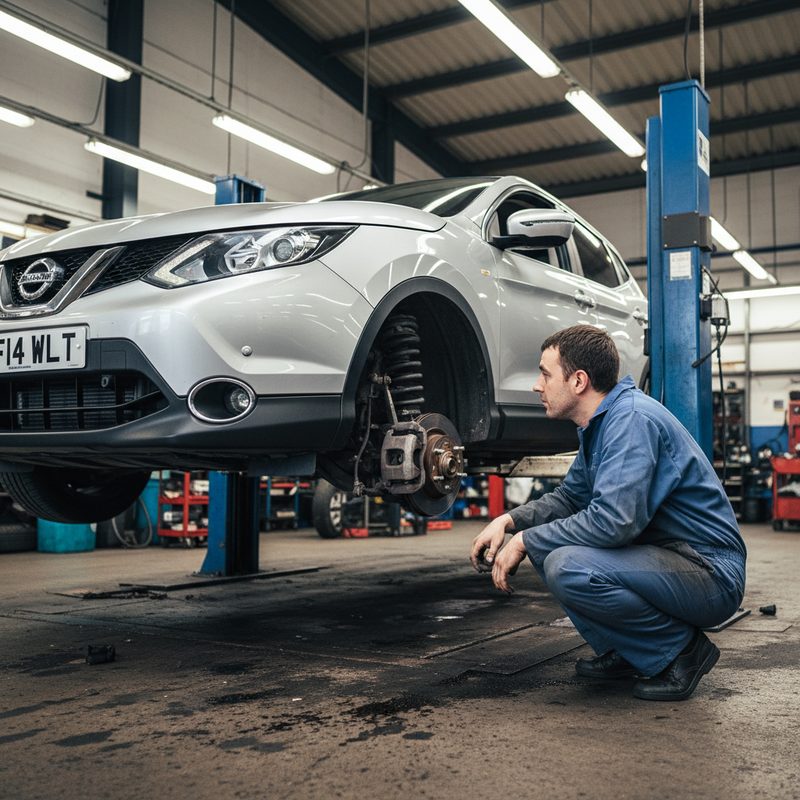
Rear Trailing Arm Bush Worn MOT Advisory: Cost Guide
This guide explains what a worn rear trailing arm bush MOT advisory means, its seriousness, repair costs, and how it impacts your vehicle's value.
What This Advisory Means in Plain English
Receiving an MOT advisory for a worn rear trailing arm bush can be concerning, especially if you're not mechanically inclined. In simple terms, the rear trailing arm bush is a rubber component that connects the rear suspension to the chassis of your vehicle. Its primary role is to absorb shocks and vibrations from the road, ensuring a smooth ride while maintaining proper wheel alignment. When the bush wears out, it can lead to various issues, including poor handling, increased tyre wear, and even potential safety hazards.
The MOT tester will note this advisory if they find that the bush is showing signs of deterioration, such as cracks, splits, or excessive play. While it may not immediately fail your MOT, it indicates that the component is not in optimal condition and may require attention soon. It's crucial to understand that this is a warning rather than an outright failure, but ignoring it could lead to more significant problems down the line.
How Serious Is It? (Minor Annoyance vs Safety Critical)
The seriousness of a worn rear trailing arm bush can vary depending on the extent of the wear. Initially, it may seem like a minor annoyance, especially if your car is still driving relatively well. However, as the bush continues to deteriorate, it can become a safety-critical issue. A worn bush can compromise your vehicle's handling, making it more difficult to control, especially during cornering or emergency manoeuvres.
If you are weighing up alternatives, our guide to Towbar Electrics Not Working MOT Advisory covers similar ground from a different angle.
In a worst-case scenario, if the bush fails completely, it can lead to the rear suspension collapsing, which poses a significant risk to both you and other road users. Therefore, while it may not be an immediate cause for alarm, it’s essential to take this advisory seriously and address it promptly. Regular maintenance and checks can help prevent the situation from escalating.
Typical Repair Cost Range
Repair costs for a worn rear trailing arm bush can vary widely based on several factors, including the make and model of your vehicle, labour rates in your area, and whether you choose to go to a dealership or an independent garage. On average, you can expect to pay between £100 and £300 for parts and labour combined.
For more on this topic, take a look at our Shock Absorber Leaking MOT Advisory guide.
If you’re handy with tools, you might consider tackling the job yourself, which could save you a significant amount on labour costs. However, replacing trailing arm bushes can be tricky, as it often requires specific tools and a good understanding of suspension systems. If you're not confident in your mechanical skills, it's best to leave it to the professionals.
Additionally, if the bush has caused other components to wear out, such as the trailing arm itself or the suspension system, you could be looking at higher repair costs. Always ask for a detailed quote before proceeding with any repairs to avoid unexpected expenses.
You might also find our Coolant Leak Visible MOT Advisory guide useful alongside this one.
How Urgent: Can You Wait or Fix Now?
The urgency of addressing a worn rear trailing arm bush largely depends on how severe the wear is. If the advisory indicates only minor wear, you might be able to wait a few weeks or even months before getting it fixed. However, if you notice any changes in your vehicle's handling, such as increased noise from the rear suspension, a feeling of instability, or uneven tyre wear, it's advisable to get it checked out immediately.
Driving with a worn bush can lead to further damage to your suspension system, which could result in more costly repairs down the line. If you're unsure about the severity of the wear, consider getting a second opinion from a trusted mechanic. They can provide a clearer picture of how urgent the repair is and whether you can afford to wait.
We have covered related ground in our Wishbone Bush Worn MOT Advisory guide, which is worth reading if this subject interests you.
What to Watch For If It Appears Repeatedly
If you receive repeated advisories for a worn rear trailing arm bush, it’s a red flag that should not be ignored. This could indicate that there’s an underlying issue with your vehicle's suspension system or that the bush is not being replaced with quality parts. Here are a few things to keep an eye on:
- Handling Issues: If you notice that your car feels unstable or has a tendency to wander on the road, this could be a sign of a more significant problem.
- Tyre Wear: Uneven tyre wear can often be traced back to suspension issues. If your rear tyres are wearing out faster than expected, it might be time to investigate further.
- Noises: Listen for any clunking or knocking noises from the rear suspension, especially when going over bumps or during sharp turns.
You can check the exact safety score for any model on the Euro NCAP website.
Repeated advisories can also affect your car's resale value. Prospective buyers may be wary of a vehicle that has a history of suspension issues, so it's essential to address these problems proactively. If you're considering selling your car, it may be worth investing in repairs to improve its marketability.
How This Affects the Car's Value and Your Negotiation Position
A worn rear trailing arm bush advisory can have a significant impact on your vehicle's value. If you're looking to sell or trade in your car, potential buyers will likely factor in the cost of repairs when making an offer. A car with multiple advisories or a history of suspension issues may be viewed as a risk, leading to lower offers.
If things go wrong after purchase, Citizens Advice can help you understand your legal rights.
When negotiating, it's crucial to be transparent about the advisory. If you can provide documentation showing that you've addressed the issue or have a plan to do so, it can strengthen your position. On the other hand, if you ignore the advisory and try to sell the car without disclosing it, you risk losing credibility with potential buyers.
Additionally, if you're purchasing a used car and notice a worn rear trailing arm bush advisory on the MOT, use it as a bargaining chip. You can negotiate a lower price based on the anticipated repair costs. Always remember to check the full MOT history of any vehicle you're considering, which you can do through the GOV.UK MOT history website. This will give you a clearer picture of any recurring issues.
Conclusion
A worn rear trailing arm bush MOT advisory is a warning sign that should not be taken lightly. While it may not pose an immediate threat, addressing the issue promptly can save you from more significant problems and expenses down the line. Understanding the seriousness of the advisory, typical repair costs, and how it affects your vehicle's value can empower you as a car owner.
If you find yourself in this situation, consider getting a professional assessment to determine the urgency of the repair. And remember, whether you're buying or selling a used car, always check the full MOT history to avoid surprises. For a comprehensive vehicle report, visit Dave's free vehicle report service to ensure you're making a well-informed decision.
By staying proactive about your vehicle's maintenance and being aware of potential issues, you can enjoy a safer and more reliable driving experience.