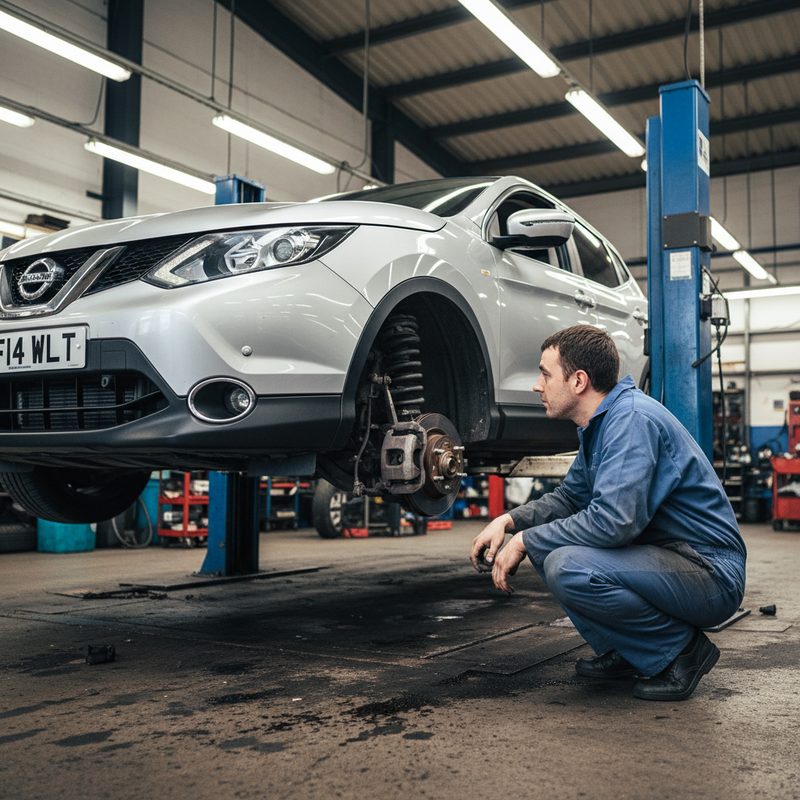
Rear Axle Bush Worn MOT Advisory — What to Expect
Understanding a rear axle bush worn advisory on your MOT can help you make informed decisions about repairs and vehicle value.
Understanding the Rear Axle Bush Worn Advisory
Receiving a rear axle bush worn advisory on your MOT can be concerning, especially if you're not familiar with what it entails. In plain English, this advisory indicates that the rubber bushings that connect the rear axle to the chassis are showing signs of wear. These bushings are crucial for maintaining the vehicle's suspension system, allowing for a smoother ride and better handling. When they wear out, they can lead to excessive movement of the axle, which can affect the alignment and overall stability of the vehicle.
The rear axle bush plays a significant role in the suspension system, as it helps to absorb shocks from the road and maintain proper wheel alignment. If these bushings are worn, it can lead to uneven tyre wear, a decrease in ride comfort, and potentially more serious issues if left unaddressed. For many drivers, this advisory can feel like a red flag, but understanding its implications can help you navigate the situation more effectively.
How Serious Is a Worn Rear Axle Bush?
The seriousness of a worn rear axle bush can vary depending on several factors, including the extent of the wear and how it affects the vehicle's performance. In many cases, a worn bush may be a minor annoyance rather than a safety-critical issue. However, ignoring it can lead to more significant problems down the line.
If the wear is minimal, you might not notice any immediate changes in how the car drives. However, as the bush continues to degrade, you may experience symptoms such as clunking noises when going over bumps, a loose feeling in the rear end, or even misalignment issues that can affect steering and handling. In extreme cases, if the bush completely fails, it could lead to a loss of control while driving, which is why it’s essential to address the advisory promptly.
If you are weighing up alternatives, our guide to Drop Link Worn MOT Advisory covers similar ground from a different angle.
To gauge how serious the issue is, consider having a qualified mechanic inspect the rear axle bush. They can provide a more accurate assessment of the wear and advise you on the urgency of repairs. If you're unsure, you can always check the vehicle's full MOT history on the GOV.UK MOT history site to see if this is a recurring issue.
Typical Repair Costs for Worn Rear Axle Bush
When it comes to repairing a worn rear axle bush, costs can vary significantly based on the make and model of your vehicle, as well as the garage you choose for the work. On average, you might expect to pay between £100 and £300 for parts and labour. This price range typically covers the replacement of the bushings themselves, but additional costs may arise if there are other related issues, such as misalignment or damaged components.
For instance, if your vehicle requires a full suspension check or alignment after replacing the bush, you might see costs rise to £400 or more. It’s worth noting that while this may seem like a hefty sum, addressing the issue sooner rather than later can save you money in the long run by preventing further damage to the suspension system or tyres.
For more on this topic, take a look at our DRL Not Working MOT Advisory guide.
If you're looking for a more budget-friendly option, consider getting quotes from multiple garages. Websites like AutoTrader can help you find local mechanics and compare prices. Additionally, if you have a trusted mechanic, they may offer a better deal if you’ve been a loyal customer.
How Urgent Is It? Can You Wait or Fix Now?
Determining how urgent it is to address a worn rear axle bush advisory depends on the symptoms you're experiencing and the extent of the wear. If you’re not noticing any significant handling issues or unusual noises, you may be able to wait a short while before getting it fixed. However, it’s crucial to keep an eye (and ear) out for any changes in performance.
If you start to notice clunking sounds, a loose rear end, or uneven tyre wear, it’s best to prioritise repairs. Continuing to drive with worn bushings can lead to more severe problems, including damage to the suspension system or even the axle itself. In some cases, if the bushings are severely worn, it could lead to a failure that compromises your vehicle's safety.
You might also find our Rear Wheel Bearing Worn MOT Advisory guide useful alongside this one.
In general, I recommend not letting more than a few weeks pass before addressing the advisory. If you’re unsure, consult a mechanic who can assess the situation and advise you on the best course of action. Remember, it’s always better to be safe than sorry, especially when it comes to vehicle safety.
What to Watch For If the Advisory Appears Repeatedly
If you find that the rear axle bush worn advisory appears repeatedly on your MOTs, it’s a sign that there may be an underlying issue that needs to be addressed. This could be due to several factors, including poor installation of previous replacements, the quality of the parts used, or even issues with the vehicle's suspension system as a whole.
Repeated advisories can indicate that the wear is not just a result of age but could be exacerbated by driving habits or road conditions. For instance, if you frequently drive on poorly maintained roads or carry heavy loads, this could lead to accelerated wear on the bushings. Additionally, if the vehicle has been modified or has an aftermarket suspension, it might not be compatible with the original design, leading to premature wear.
We have covered related ground in our Turbo Wastegate Sticking MOT Advisory guide, which is worth reading if this subject interests you.
In such cases, it’s wise to have a thorough inspection of the entire suspension system. Look for signs of wear on other components, such as the suspension arms, shock absorbers, and even the chassis. If you notice that the same advisory keeps cropping up, consider consulting a specialist who can provide insights into potential modifications or upgrades that could improve the longevity of your suspension components.
How This Affects the Car's Value and Your Negotiation Position
A rear axle bush worn advisory can impact your vehicle's value, especially if you're considering selling or trading it in. Buyers are often wary of any advisories on an MOT, as they can signal potential future costs and repairs. If you’re trying to sell a car with this advisory, it’s essential to be transparent about the issue and provide potential buyers with all the relevant information.
When negotiating, be prepared to adjust your asking price to account for the cost of repairs. If you’ve received quotes for the work needed, you can use these figures to justify a lower price. For instance, if the repair costs are estimated at £250, you might consider reducing your asking price by that amount or more, depending on the overall condition of the vehicle.
You can check the exact safety score for any model on the Euro NCAP website.
On the flip side, if you’re buying a used car with this advisory, it’s crucial to factor in the potential repair costs when negotiating. A car with a worn rear axle bush might be priced lower than similar models without advisories, but you’ll need to weigh the cost of repairs against the savings. Always ask for the full MOT history and consider getting a vehicle check through the DVLA to ensure you’re making an informed decision.
Conclusion
Receiving a rear axle bush worn advisory on your MOT can be daunting, but understanding what it means and how to address it can help you make informed decisions. While it may not be an immediate cause for alarm, it’s essential to monitor the situation and take action if necessary. Repair costs can vary, and while you might be able to wait a short while to fix the issue, don’t let it linger for too long.
If you find that this advisory appears repeatedly, it’s a sign to dig deeper into the vehicle’s suspension system and driving habits. And if you’re looking to buy or sell a car with this advisory, be prepared to negotiate based on the potential repair costs.
For peace of mind, always check the full MOT history of any vehicle you’re considering. This can help you spot patterns of recurring issues and make a more informed decision. Remember, knowledge is power in the world of used cars, and being proactive about advisories like this one can save you time, money, and hassle down the road.
Check any car's full MOT history with Dave's free vehicle report
Get Dave's free AI-powered vehicle check before you make a decision.