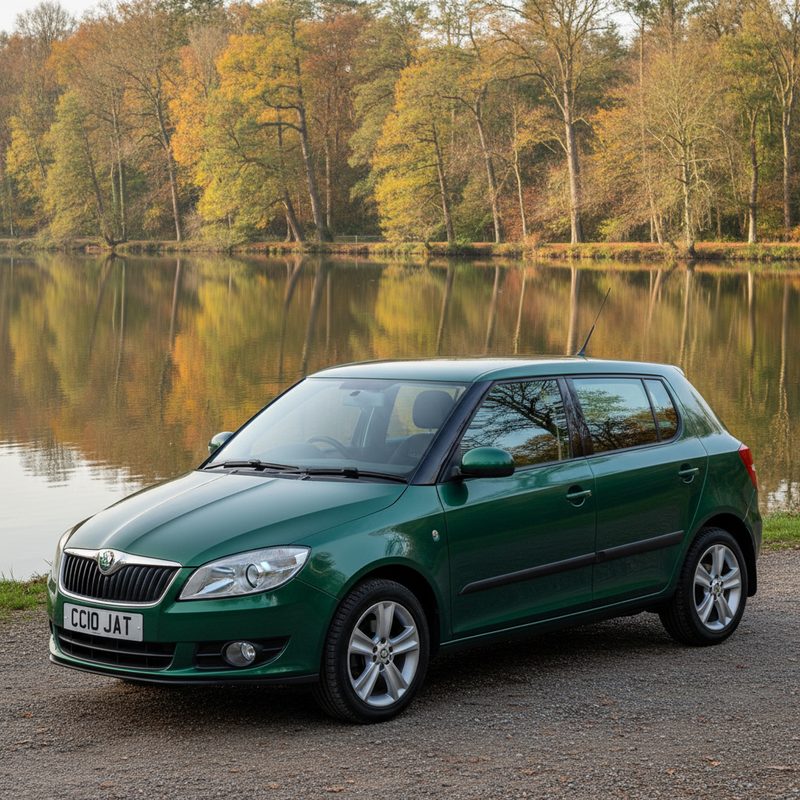
Skoda Fabia at 80,000 Miles: Budget Reliability Check
Considering a Skoda Fabia with 80,000 miles? This guide covers what to expect, common issues, pricing insights, and more to help you make an informed decision.
Introduction
So, you’re eyeing a Skoda Fabia that’s clocked up 80,000 miles? You’re not alone! The Fabia is known for its reliability and practicality, making it a popular choice among budget-conscious buyers. But what does that mileage really mean for you? Is it a ticking time bomb or a hidden gem? Let’s dive into the nitty-gritty of what to expect from a Fabia at this mileage, and whether it’s worth your hard-earned cash.
What to Expect from a Skoda Fabia at 80,000 Miles
When you’re considering a used Skoda Fabia with 80,000 miles on the clock, it’s essential to have realistic expectations. Generally, the Fabia is built on the same platform as the VW Polo, which means it shares a reputation for durability and longevity. However, at this mileage, you should be prepared for some wear and tear.
Engine Performance
Most Skoda Fabias are equipped with either a 1.0-litre or a 1.2-litre petrol engine, or a 1.6-litre diesel. At 80,000 miles, you can expect the engine to still perform decently, but it’s wise to check for signs of oil leaks or unusual noises. Regular oil changes are crucial, and if the previous owner has kept up with maintenance, you might find a well-running engine.
Transmission
The Fabia typically comes with either a manual or an automatic transmission. If you’re looking at an automatic, pay close attention to how smoothly it shifts gears. At this mileage, you might experience some wear in the clutch or transmission fluid degradation, especially if the car hasn’t had regular servicing. A test drive will reveal a lot about the transmission’s health.
Suspension and Steering
With 80,000 miles, the suspension components may start to show signs of wear. Listen for any knocking noises when driving over bumps, as this could indicate worn shock absorbers or bushings. The steering should feel responsive, so if it feels loose or has excessive play, it might be a sign that the steering components need attention.
If you are weighing up alternatives, our guide to Ford Focus at 100k Miles covers similar ground from a different angle.
Interior and Exterior Condition
The interior of a Fabia at this mileage can vary significantly depending on how well it has been cared for. Look for signs of wear on the seats and dashboard. If the car has been smoked in or has pets, you might want to think twice. Externally, check for rust, especially around the wheel arches and sills. A good wash and wax can hide a multitude of sins, so be thorough in your inspection.
Components That Typically Need Attention at This Mileage
As with any used car, certain components are more likely to require attention as mileage increases. Here’s a breakdown of what to keep an eye on when considering an 80,000-mile Skoda Fabia.
Timing Belt Replacement
One of the most critical maintenance items is the timing belt. Depending on the engine variant, the timing belt should typically be replaced every 60,000 to 80,000 miles. If this hasn’t been done, you could be looking at a hefty repair bill if it snaps. Always ask for service history to verify if this crucial maintenance has been completed.
Brake Components
At this mileage, brake pads and discs may be nearing the end of their lifespan. If the previous owner has been diligent, they might have replaced them recently, but it’s worth checking. Listen for squeaking or grinding noises when braking, as this could indicate that the pads need replacing soon.
For more on this topic, take a look at our Hyundai Tucson at 80,000 Miles guide.
Tyres
Tyres are another area where you might need to invest some money. Check the tread depth and look for uneven wear, which could suggest alignment issues. If the tyres are worn out, you’ll need to factor in the cost of replacements, which can range from £200 to £600 depending on the brand and type.
Cooling System
The cooling system is vital for engine longevity. At 80,000 miles, the water pump and thermostat may need attention. Look for any signs of coolant leaks or overheating during your test drive. If the car has been well-maintained, these components should be in good shape, but it’s always best to double-check.
Exhaust System
The exhaust system can also be a concern. Look for rust or holes, especially on older models. A failing exhaust can lead to increased emissions and reduced fuel efficiency, not to mention a noisy ride. If you notice any unusual sounds or smells, it’s worth investigating further.
Is the Price Usually Right for This Mileage? What Discount to Expect
When it comes to pricing, the Skoda Fabia is generally considered a budget-friendly option. However, at 80,000 miles, you should be looking for a fair price that reflects the car's condition and mileage.
You might also find our BMW 320d at 100k Miles guide useful alongside this one.
Typical Price Range
As of now, you can expect to pay anywhere from £4,000 to £7,000 for a Skoda Fabia with 80,000 miles, depending on the model year, engine type, and overall condition. For example, a 2016 model in good condition might be closer to £6,500, while an older 2013 model could be around £4,500.
Discounts to Expect
If you find a Fabia that needs some work, such as new tyres or brake pads, don’t hesitate to negotiate the price down. A good rule of thumb is to deduct around £500 to £1,000 for each major repair that you anticipate needing. If the timing belt hasn’t been changed, that could be a significant bargaining chip.
Market Comparison
It’s also worth comparing prices with similar vehicles in the same segment. The Ford Fiesta and Vauxhall Corsa are popular alternatives, and if you find that Fabias are priced higher than these competitors, it might be time to walk away or negotiate harder.
Red Flags in the MOT History at This Mileage
The MOT history can tell you a lot about a used car’s past. At 80,000 miles, you should scrutinise the MOT records carefully for any red flags that could indicate potential issues down the line.
We have covered related ground in our Used Ford Mondeo with 50k Miles guide, which is worth reading if this subject interests you.
Frequent Failures
If the car has a history of frequent MOT failures, this is a significant red flag. Look for patterns in the failures; if they are related to the same components, it could indicate ongoing issues that haven’t been resolved.
Advisory Notices
Advisory notices are not failures but can indicate potential problems. If you see repeated advisories for items like brakes, suspension, or emissions, it’s worth investigating further. These could be signs that the previous owner has been neglecting necessary maintenance.
Mileage Discrepancies
Always check for mileage discrepancies in the MOT history. If the recorded mileage jumps significantly between tests, it could indicate that the odometer has been tampered with. This is a serious concern and should raise immediate alarms.
Last MOT Date
Finally, take note of when the last MOT was conducted. If it’s been over a year since the last test, it’s a good idea to get a fresh MOT done before making a purchase. This will give you peace of mind and ensure that the car is roadworthy.
Dave's Verdict: Worth the Risk or Walk Away?
So, is a Skoda Fabia at 80,000 miles worth the risk? The answer isn’t straightforward, but here’s the gist: if the car has been well-maintained, has a clean MOT history, and shows minimal signs of wear, it could be a fantastic budget buy. The Fabia is known for its reliability, and many owners report trouble-free motoring well beyond 100,000 miles.
However, if you encounter a car that shows signs of neglect, has a poor MOT history, or lacks essential service records, it’s probably best to walk away. Remember, a used car is an investment, and you want to ensure you’re making a wise choice.
Final Thoughts
Before you make any decisions, I highly recommend checking the mileage history of any Skoda Fabia you’re considering with my free report. It’s a simple step that can save you from potential headaches down the line. Happy car hunting, and may you find the perfect Fabia that fits your budget and lifestyle!