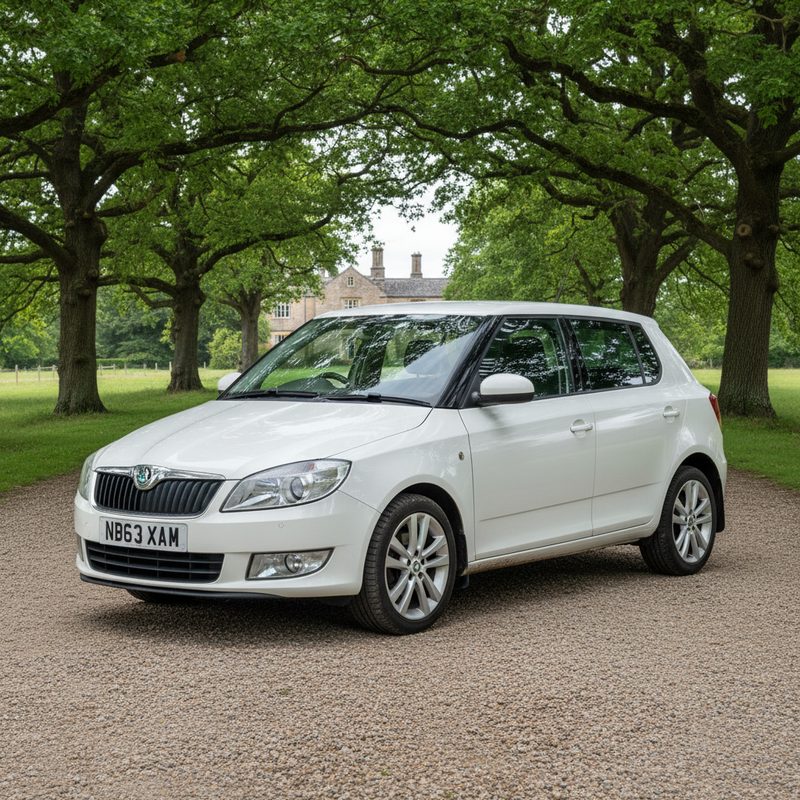
2018 Skoda Fabia: Better Than a Polo for Less Money
The 2018 Skoda Fabia offers excellent value for money compared to the Polo. This guide covers everything you need to know before buying.
Overview of the 2018 Skoda Fabia
If you’re in the market for a compact hatchback, the 2018 Skoda Fabia is a model that deserves your attention. Known for its practicality, reliability, and value for money, the Fabia often flies under the radar compared to its more popular rivals like the VW Polo. However, with a starting price that’s generally lower than the Polo and a reputation for being a solid performer, the Fabia is worth considering. In this guide, we’ll explore the ins and outs of the 2018 Skoda Fabia, including its common problems, MOT failure patterns, running costs, and more.
Is the 2018 Skoda Fabia a Good Buy?
When it comes to compact cars, the 2018 Skoda Fabia stands out for its spacious interior and boot, which is one of the largest in its class. With a practical design, it’s perfect for families or anyone who needs a bit more room without stepping up to a larger vehicle. The Fabia also boasts a range of efficient engines, making it a sensible choice for those looking to save on fuel costs.
In terms of driving experience, the Fabia is comfortable and easy to handle, with a smooth ride that makes it ideal for both city and motorway driving. The interior is well-designed, featuring quality materials and a user-friendly infotainment system. Overall, if you’re looking for a reliable hatchback that won’t break the bank, the 2018 Skoda Fabia is definitely a good buy.
Common Problems and Known Issues
Like any car, the 2018 Skoda Fabia isn’t without its issues. While it generally has a good reputation for reliability, there are a few common problems that prospective buyers should be aware of:
1. Electrical Issues
Some owners have reported electrical glitches, particularly with the infotainment system. This can range from the screen freezing to connectivity issues with Bluetooth. While these problems are usually minor, they can be frustrating.
2. Suspension Wear
Another common issue is premature wear on the suspension components, particularly the front shock absorbers. If you’re considering a used Fabia, it’s worth checking for any knocking noises when driving over bumps, as this could indicate a problem.
3. Engine Concerns
While the engines are generally reliable, some owners have mentioned issues with the 1.0-litre TSI engine, particularly with the timing chain. It’s advisable to check the service history to ensure that any necessary maintenance has been carried out.
4. Paint Quality
A few owners have noted that the paint quality isn’t as robust as they’d like, leading to chips and scratches more easily than expected. This is something to keep in mind, especially if you plan to keep the car for several years.
Overall, while the 2018 Skoda Fabia has some known issues, they are relatively minor compared to many other vehicles in its class. A thorough inspection and a good service history can help mitigate these concerns.
MOT Failure Patterns
When considering a used car, it’s essential to be aware of common MOT failure patterns. For the 2018 Skoda Fabia, here are some areas to keep an eye on:
1. Tyres
Tyre condition is a frequent cause of MOT failures. Make sure to check the tread depth and look for any signs of uneven wear. The legal minimum tread depth is 1.6mm, but for safety, it’s best to replace tyres when they reach 3mm.
2. Lights
Faulty lights, including headlights, brake lights, and indicators, are another common reason for MOT failures. Always check that all lights are functioning correctly before your test.
3. Suspension
As mentioned earlier, suspension issues can lead to MOT failures. If you notice any unusual noises or handling characteristics, it’s worth having a mechanic take a look before the test.
4. Emissions
With stricter emissions regulations, make sure the car’s exhaust system is in good condition. A failing catalytic converter can lead to an MOT failure, so check for any warning lights on the dashboard.
In general, the Fabia has a good track record for passing its MOTs, but being aware of these common failure points can save you time and money.
What to Expect to Pay
When it comes to pricing, the 2018 Skoda Fabia offers excellent value for money. As of now, you can expect to pay between £10,000 and £15,000 for a well-maintained used model, depending on the trim level, mileage, and condition. Here’s a breakdown of what to expect:
1. Base Models
For entry-level models, such as the S or SE, prices typically start around £10,000. These models come with essential features but may lack some of the bells and whistles found in higher trims.
2. Mid-Range Models
If you’re looking for a bit more comfort and technology, mid-range models like the SE L or Colour Edition can be found for between £12,000 and £14,000. These often include upgraded infotainment systems, better interior materials, and additional safety features.
3. High-End Models
For top-spec models such as the Fabia Monte Carlo, expect to pay closer to £15,000. These models come fully loaded with all the features, including sportier styling and enhanced performance options.
When buying a used Fabia, always check the vehicle history and consider getting a vehicle intelligence report to ensure you’re making a sound investment.
Running Costs Overview
One of the best aspects of the 2018 Skoda Fabia is its affordability when it comes to running costs. Here’s a breakdown of what you can expect:
1. Fuel Economy
The Fabia is known for its impressive fuel efficiency. Depending on the engine choice, you can expect to achieve between 50-70 mpg. The 1.0-litre TSI engine is particularly economical, making it a great choice for those who do a lot of driving.
2. Insurance Costs
Insurance costs for the Fabia are generally reasonable, with most models falling into insurance groups 6 to 14. This means you can expect to pay anywhere from £600 to £900 per year, depending on your age, location, and driving history.
3. Servicing and Maintenance
Skoda vehicles are known for their reliability, which translates to lower servicing costs. A typical service for a Fabia can range from £150 to £300, depending on whether it’s a minor or major service. Additionally, parts are generally affordable, which helps keep maintenance costs down.
4. Road Tax
Road tax for the Fabia is also quite reasonable, with most models falling into the lower tax bands. Expect to pay around £20 to £150 per year, depending on the engine size and emissions.
Overall, the running costs of the 2018 Skoda Fabia make it an attractive option for budget-conscious buyers.
Dave's Honest Verdict
So, what’s the final verdict on the 2018 Skoda Fabia? In my opinion, it’s a fantastic choice for anyone looking for a reliable, practical, and economical hatchback. With its spacious interior, solid build quality, and low running costs, it offers excellent value for money compared to the VW Polo.
While there are some common issues to be aware of, they are relatively minor and can be easily managed with proper maintenance. Plus, the Fabia’s good track record for MOTs means you’re less likely to face unexpected expenses down the line.
If you’re considering a used Fabia, I highly recommend checking it out with a vehicle intelligence report. This will give you peace of mind and help you make an informed decision. Overall, I’d say the 2018 Skoda Fabia is a solid buy, go for it if you find a well-maintained model at a fair price!