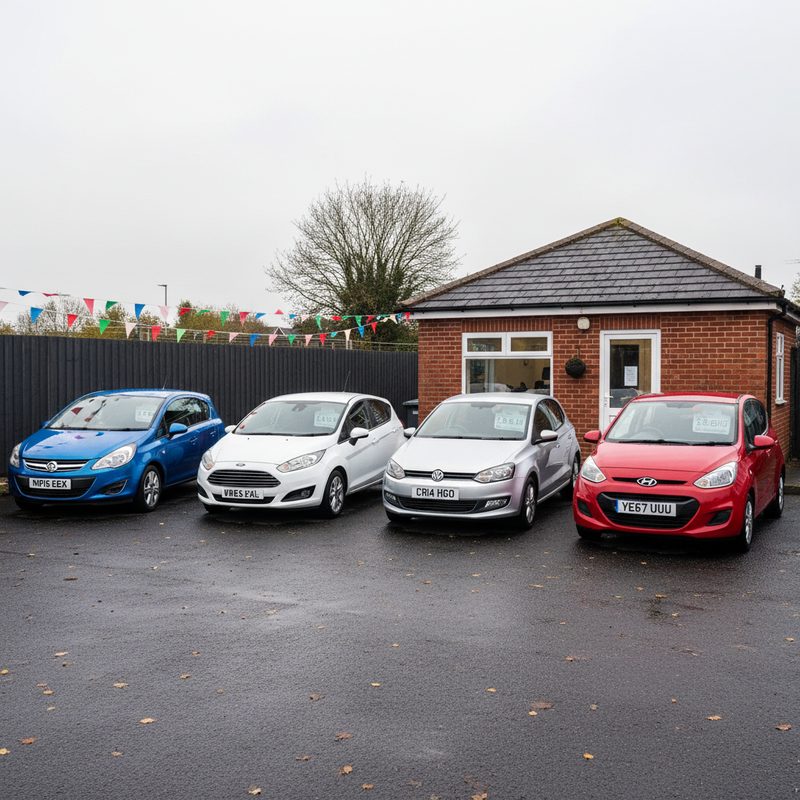
Best First Cars Under £6000: Dave Recommends
Looking for your first car? Here are Dave's top recommendations for first cars under £6000, focusing on safety, insurance, and running costs.
Finding your first car can feel like a daunting task, especially when you're trying to balance budget, safety, and reliability. Luckily, there are plenty of great options available for under £6000. In this guide, I’ll share my top picks for first cars that not only fit your budget but also offer a solid mix of practicality, safety, and fun. Let’s dive in!
Key facts
- Budget-friendly options: All recommended cars are priced under £6000.
- Insurance groups: Most cars fall into lower insurance groups, making them affordable for new drivers.
- Running costs: Expect monthly costs to be manageable, with fuel efficiency and maintenance in mind.
- Safety features: All cars come with essential safety features to protect new drivers.
- Market availability: These cars are commonly found on platforms like AutoTrader.
Dave's genuine recommendations
Ford Fiesta: The All-Rounder
If I had to recommend one car for a new driver, it would be the Ford Fiesta. This little gem has been a favourite among UK drivers for years, and for good reason. The Fiesta is not only fun to drive but also offers a spacious interior and a decent boot size for your shopping trips or weekend getaways.
One of the standout features of the Fiesta is its fuel efficiency. You can easily achieve around 50-60 mpg, which is a blessing for your wallet. Plus, the Fiesta is known for its reliability, making it a safe bet for first-time buyers. You’ll find plenty of models available under £6000, especially if you’re looking at slightly older models.
The driving experience is smooth and responsive, which is perfect for those still getting used to being on the road. Additionally, the Fiesta typically falls into lower insurance groups, making it a cost-effective choice for young drivers.
Vauxhall Corsa: The Practical Choice
Next up is the Vauxhall Corsa, another popular choice among new drivers. The Corsa is known for its practicality and ease of use, making it a fantastic first car. With a compact size, it’s easy to park and manoeuvre, especially in busy city environments.
Inside, the Corsa offers a comfortable cabin with decent space for both passengers and luggage. You can expect a range of engine options, with the smaller engines providing excellent fuel economy, often exceeding 50 mpg. This is a significant advantage when you’re budgeting for your first car.
The Corsa also comes with a good range of safety features, including airbags and electronic stability control, which are crucial for inexperienced drivers. Plus, it’s widely available on the used market, so you should have no trouble finding one within your budget.
Skoda Fabia: The Value Champion
The Skoda Fabia is often overlooked, but it’s a fantastic option for first-time buyers looking for value. Known for its spacious interior and practical boot space, the Fabia is perfect for those who need a bit more room without compromising on style.
One of the best things about the Fabia is its build quality. Skoda has a reputation for making reliable cars, and the Fabia is no exception. You can expect low running costs, with many models achieving around 55-60 mpg. This makes it a sensible choice for new drivers who want to keep their expenses down.
Safety is another strong point for the Fabia, with many models featuring advanced safety technology. It’s also worth noting that the Fabia tends to have lower insurance premiums, making it an attractive option for young drivers.
Hyundai i20: The Tech-Savvy Option
If you’re looking for a first car that’s packed with technology, the Hyundai i20 is worth considering. This hatchback comes with a modern design and a range of tech features that make driving more enjoyable and safer.
The i20 offers a comfortable ride with good visibility, which is essential for new drivers. You can expect decent fuel economy, often around 50 mpg, depending on the engine choice. The interior is well-designed, with a user-friendly infotainment system that includes Bluetooth connectivity and smartphone integration.
Hyundai is known for its reliability, and the i20 is no different. It also comes with a solid warranty, which can provide peace of mind for first-time buyers. Plus, many models are available for under £6000, especially if you’re willing to consider slightly older versions.
Toyota Yaris: The Eco-Friendly Choice
The Toyota Yaris is an excellent option for those looking for a more eco-friendly first car. With its hybrid options, the Yaris can offer exceptional fuel efficiency, often exceeding 60 mpg, making it a great choice for environmentally conscious drivers.
Beyond its eco-credentials, the Yaris is also known for its reliability. Toyota has a strong reputation for building durable cars, and the Yaris is no exception. It’s compact and easy to drive, which is perfect for new drivers who may still be getting used to the roads.
Safety features are abundant in the Yaris, with many models equipped with advanced driver assistance systems. This can help boost your confidence as you navigate your early driving experiences. Plus, you’ll find plenty of options available under £6000, especially in the used market.
Insurance reality
When it comes to insurance, young drivers often face steep premiums. However, many of the cars I’ve recommended fall into lower insurance groups, which can help keep costs manageable. For instance, the Ford Fiesta and Vauxhall Corsa typically fall into insurance groups 3 to 6, making them more affordable options.
As a rough guide, you might expect to pay anywhere from £800 to £1,500 for insurance as a new driver, depending on factors like your location, driving history, and the specific model you choose. To help bring those premiums down, consider the following tips:
- Choose a car in a lower insurance group: As mentioned, the Fiesta and Corsa are great examples.
- Increase your excess: Opting for a higher voluntary excess can lower your premium, but make sure you can afford it if you need to make a claim.
- Add a named driver: If you have a parent or more experienced driver who can be added to your policy, it may help reduce costs.
- Consider telematics insurance: Some insurers offer black box policies that monitor your driving habits. If you drive safely, you could see your premium decrease over time.
For more detailed information on insurance groups, check out Thatcham insurance groups.
Running costs breakdown
Owning a car comes with various running costs that you need to factor into your budget. Here’s a breakdown of what you can expect as a first-time car owner:
- Fuel: Depending on your driving habits and the car you choose, you might spend around £100 to £150 per month on fuel. Cars like the Ford Fiesta and Vauxhall Corsa are known for their fuel efficiency, which can help keep this cost down.
- Insurance: As mentioned earlier, you might pay between £800 to £1,500 annually, which breaks down to about £67 to £125 per month.
- Road tax: Depending on the car’s emissions, road tax can vary. Many of the recommended cars fall into lower tax bands, typically costing around £20 to £150 per year. Check the specific rates on the GOV.UK road tax checker.
- Maintenance and servicing: Budget around £30 to £50 per month for regular maintenance and servicing. Some cars, like the Skoda Fabia, are known for their low servicing costs, which can help you save in the long run.
Overall, you might be looking at a monthly budget of around £300 to £400, depending on your specific circumstances and driving habits. This is a reasonable amount for a first-time driver, especially when you consider the benefits of having your own wheels.
Safety that actually matters
Safety is a top priority for new drivers, and it’s essential to choose a car that offers the right features. While Euro NCAP ratings are a good starting point, it’s important to look at the specific safety features that can make a real difference on the road.
Here are some key safety features to consider:
- ABS (Anti-lock Braking System): This prevents the wheels from locking up during braking, helping maintain steering control.
- ESC (Electronic Stability Control): This system helps prevent skidding and loss of control, particularly in slippery conditions.
- Airbags: Look for cars with multiple airbags, including front, side, and curtain airbags, to provide better protection in the event of a collision.
- Rear parking sensors: These can be incredibly helpful for new drivers when reversing or parking, reducing the risk of accidents.
- Lane departure warning: This feature alerts you if you unintentionally drift out of your lane, which can be particularly useful for inexperienced drivers.
Cars like the Hyundai i20 and Toyota Yaris come equipped with many of these features, making them excellent choices for safety-conscious buyers.
Mistakes Dave sees all the time
As a seasoned car enthusiast, I’ve seen my fair share of first-time buyers make mistakes that could have been avoided. Here are a few common pitfalls to watch out for:
- Skipping the vehicle history check: Always perform a vehicle history check before buying. This can reveal important information about the car’s past, including any accidents, outstanding finance, or if it’s been stolen. I recommend using the CarBuyerIQ Vehicle Check for a thorough report.
- Not test driving: Never buy a car without taking it for a test drive. This is your chance to get a feel for the car and ensure it meets your expectations in terms of comfort and handling.
- Ignoring running costs: Some buyers focus solely on the purchase price and overlook ongoing costs like insurance, fuel, and maintenance. Make sure you factor these into your budget before making a decision.
- Rushing the decision: Buying your first car can be exciting, but don’t rush into a decision. Take your time to research and compare different models to find the best fit for your needs.
Dave's final word
Buying your first car is a significant milestone, and it’s important to choose wisely. The options I’ve shared here are all solid choices that offer a great mix of safety, reliability, and affordability. Remember to do your research, check the vehicle history, and take your time with the decision.
If you’re ready to start your search, don’t forget to check out the CarBuyerIQ Vehicle Check for peace of mind. With the right car, you’ll be well on your way to enjoying the freedom of the open road. Happy car hunting!