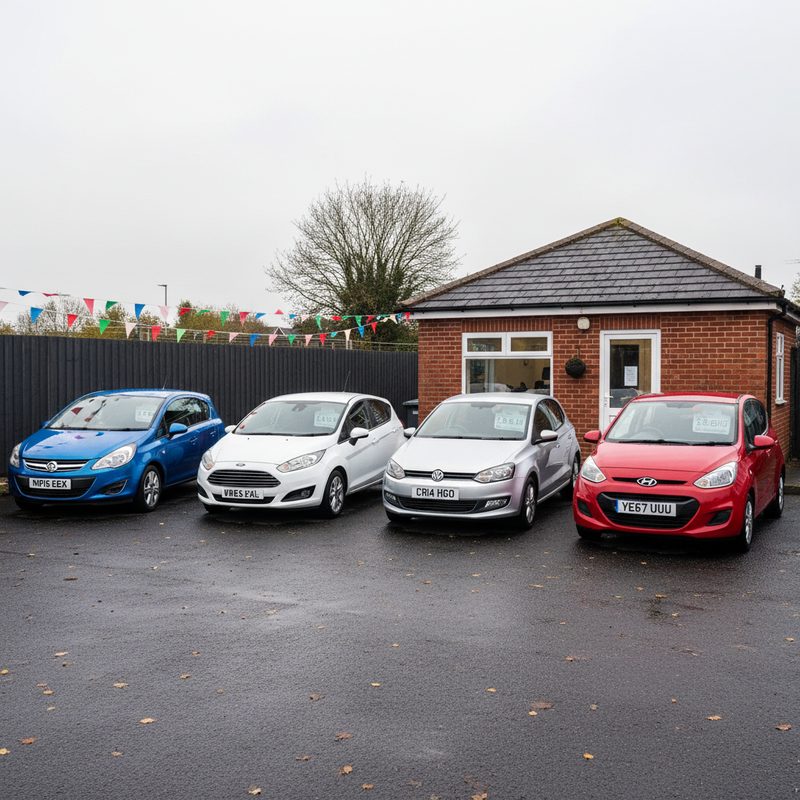
Best Automatic First Cars — Dave Recommends
Looking for the best automatic first cars? Dave shares his top recommendations, practical tips, and essential advice for new drivers in the UK.
Introduction
Buying your first car is a significant milestone, and for many new drivers, an automatic vehicle can make the transition to the road much smoother. Automatic cars are generally easier to drive, especially for those who are still getting used to the mechanics of driving. In this guide, I’ll share my top recommendations for automatic first cars that strike the right balance between affordability, reliability, and ease of use.
Dave's Genuine Recommendations
When it comes to choosing a first car, I always think about what I’d recommend to my own kids. Here are my top picks for automatic first cars, each with its unique strengths.
If you are weighing up alternatives, our guide to Parent's Guide to Buying a First Car covers similar ground from a different angle.
1. Ford Fiesta
The Ford Fiesta is a classic choice for first-time drivers, and for good reason. It’s compact, fun to drive, and offers a range of automatic options. The Fiesta is known for its nimble handling, making it ideal for city driving. You can typically find a well-maintained model for around £8,000 to £12,000, depending on the age and mileage.
One of the standout features of the Fiesta is its safety ratings. It consistently scores well in Euro NCAP tests, which is crucial for new drivers. Plus, it’s relatively cheap to insure, especially if you opt for a lower-spec model. I’d recommend checking out the best small automatic cars for new drivers UK for more options.
For more on this topic, take a look at our First Car Buying Checklist guide.
2. Volkswagen Polo
The Volkswagen Polo is another excellent choice for new drivers. It’s slightly more expensive than the Fiesta, with prices often starting around £10,000 for a decent model. However, the Polo is known for its build quality and reliability, which can save you money in the long run.
What sets the Polo apart is its spacious interior and boot, making it a practical option for those who might need to carry passengers or luggage. It also features a range of safety technologies that can help inexperienced drivers feel more secure on the road.
You might also find our Best First Cars for Motorway Driving guide useful alongside this one.
3. Toyota Yaris
If you’re looking for something that’s incredibly reliable, the Toyota Yaris is hard to beat. Known for its longevity, many Yaris models can easily exceed 100,000 miles without major issues. Prices for used Yaris models typically range from £7,000 to £11,000, depending on the year and condition.
The Yaris also boasts impressive fuel economy, which is a big plus for first-time drivers who might be on a tight budget. With its compact size, it’s easy to park and manoeuvre in tight spaces, making it a great choice for city driving.
We have covered related ground in our Best First Car Under £3,000 That Will Not Break Down guide, which is worth reading if this subject interests you.
4. Hyundai i20
The Hyundai i20 is often overlooked, but it’s a fantastic option for new drivers. With prices starting around £8,000, it offers great value for money. The i20 comes with a generous warranty, which can provide peace of mind for first-time buyers.
Its interior is well-designed, with user-friendly technology that’s perfect for those who may not be tech-savvy. The i20 also has a good safety rating, making it a solid choice for new drivers.
You can check any car's full MOT history for free on GOV.UK before arranging a viewing.
5. Kia Picanto
For those on a tighter budget, the Kia Picanto is a fantastic small car that’s easy to drive and park. Prices for used models can start as low as £5,000, making it one of the more affordable options on this list.
The Picanto is surprisingly spacious for its size and comes with a decent amount of tech features. It’s also backed by a lengthy warranty, which is a bonus for first-time buyers. The compact size and automatic transmission make it a breeze for new drivers to handle.
If things go wrong after purchase, Citizens Advice can help you understand your legal rights.
Insurance Reality
Insurance can be a significant expense for new drivers, especially for those aged 17 to 25. Automatic cars often fall into slightly higher insurance groups, but there are still plenty of options that won’t break the bank.
You can look up the exact insurance group for any car on Thatcham's website before getting quotes.
For instance, the Ford Fiesta typically falls into insurance groups 5 to 10, depending on the model. You might expect to pay around £1,200 to £1,600 annually for a new driver, but this can vary based on factors like your location and driving history. The Volkswagen Polo can be a bit pricier, falling into groups 7 to 12, with annual premiums ranging from £1,300 to £1,800.
The FCA has a useful guide to car finance that explains your rights and what to watch for.
To keep your insurance costs down, consider the following tips:
- Choose a lower insurance group: Cars like the Kia Picanto and Hyundai i20 often have lower group ratings, which can significantly reduce your premiums.
- Add a named driver: If you have a parent or experienced driver who can be added to your policy, it may lower your costs.
- Limit your mileage: If you can keep your annual mileage low, insurers may offer better rates.
- Consider telematics insurance: While I mentioned black boxes earlier, many insurers offer telematics policies that track your driving habits. If you drive safely, you could see your premiums decrease.
Running Costs Breakdown
Understanding the running costs of your first car is crucial for budgeting. Here’s a breakdown of what you can expect to pay monthly as a first-time car owner:
Fuel Costs
Most small automatic cars will average around 40 to 60 miles per gallon (mpg). If you drive approximately 600 miles a month, you might spend around £80 to £120 on fuel, depending on current petrol prices.
Insurance Premiums
As discussed earlier, insurance for new drivers can range from £1,200 to £1,800 annually. This translates to about £100 to £150 per month.
Road Tax
Road tax varies based on the car’s emissions. For many small automatics, you might expect to pay between £20 to £150 annually, which is about £2 to £12.50 per month. You can check your specific car's tax rate on the GOV.UK road tax checker.
Maintenance and Repairs
Budgeting for maintenance is essential. A good rule of thumb is to set aside around £50 to £100 monthly for servicing, tyres, and unexpected repairs.
Total Monthly Budget Example
Putting it all together, here’s a realistic monthly budget for a first-time driver:
- Fuel: £100
- Insurance: £125
- Road Tax: £10
- Maintenance: £75
Total: £410 per month
This budget can vary based on your driving habits and the specific car you choose, but it gives a solid foundation for what to expect.
Safety That Actually Matters
Safety is paramount for new drivers, and while Euro NCAP ratings are a good starting point, it’s the features that truly make a difference. Here are some safety features to look for in your first automatic car:
Electronic Stability Control (ESC)
This feature helps prevent skidding and loss of control, especially in slippery conditions. It’s a must-have for new drivers who may not yet be adept at handling tricky situations.
Anti-lock Braking System (ABS)
ABS prevents the wheels from locking up during hard braking, allowing the driver to maintain steering control. This is particularly useful for inexperienced drivers who might panic in emergency situations.
Lane Departure Warning
This technology alerts drivers if they unintentionally drift out of their lane. It’s a great feature for new drivers who may not yet be fully aware of their positioning on the road.
Rear Parking Sensors
These sensors help new drivers navigate tight parking spaces by alerting them to obstacles behind the vehicle. It’s a practical feature that can prevent minor accidents.
Airbags and Crumple Zones
While most modern cars come equipped with airbags, it’s worth checking how many are present and whether the car has crumple zones designed to absorb impact during a collision.
Mistakes Dave Sees All the Time
As a used car expert, I’ve seen my fair share of first-time buyers make mistakes that could have been avoided. Here are some common pitfalls:
Skipping the Test Drive
Never buy a car without taking it for a test drive. It’s essential to get a feel for how the car handles and whether it meets your expectations. I’ve seen buyers regret their purchase simply because they didn’t take the time to drive the car.
Ignoring the Vehicle History
Always check the vehicle history through the GOV.UK DVLA check. This can reveal important information about previous accidents, outstanding finance, or whether the car has been written off.
Overlooking Insurance Costs
Many first-time buyers focus solely on the purchase price and forget to factor in insurance costs. Always get insurance quotes before finalising your purchase to avoid nasty surprises.
Not Considering Running Costs
It’s easy to get caught up in the excitement of buying a car, but running costs can add up quickly. Make sure you budget for fuel, insurance, road tax, and maintenance to avoid financial strain.
Dave's Final Word
Buying your first car is an exciting journey, but it’s essential to approach it with caution and knowledge. Automatic cars can make driving easier, especially for new drivers, but it’s crucial to choose wisely. My top recommendations, like the Ford Fiesta and Toyota Yaris, offer a blend of safety, reliability, and affordability.
Before making a purchase, do your homework. Check vehicle histories, take test drives, and get insurance quotes. Remember, this is a significant investment, and you want to ensure you’re making a smart choice. If you’re unsure, don’t hesitate to reach out for advice. Always check any car with me before you commit. Happy car hunting!
Check any car with Dave
Get Dave's free AI-powered vehicle check before you make a decision.