Most Reliable First Cars Uk: Dave Recommends
Looking for a reliable first car? Dave shares his top recommendations, ensuring you make a smart choice for your driving journey.
Choosing your first car is a big step, and reliability should be at the forefront of your mind. You want something that won't leave you stranded, is easy to maintain, and won't break the bank when it comes to insurance and running costs. After years of experience in the automotive world, I’ve narrowed down a list of reliable first cars that are perfect for new drivers in the UK. Here’s my take on the best options available, along with some essential tips to ensure you make the right choice.
Key facts
- Reliability is crucial for new drivers, as it reduces stress and unexpected costs.
- Insurance costs vary significantly; choosing the right car can save you money.
- Regular maintenance and checks can prolong the life of your first car.
- Always check the vehicle's history before purchasing to avoid hidden issues.
Dave's genuine recommendations
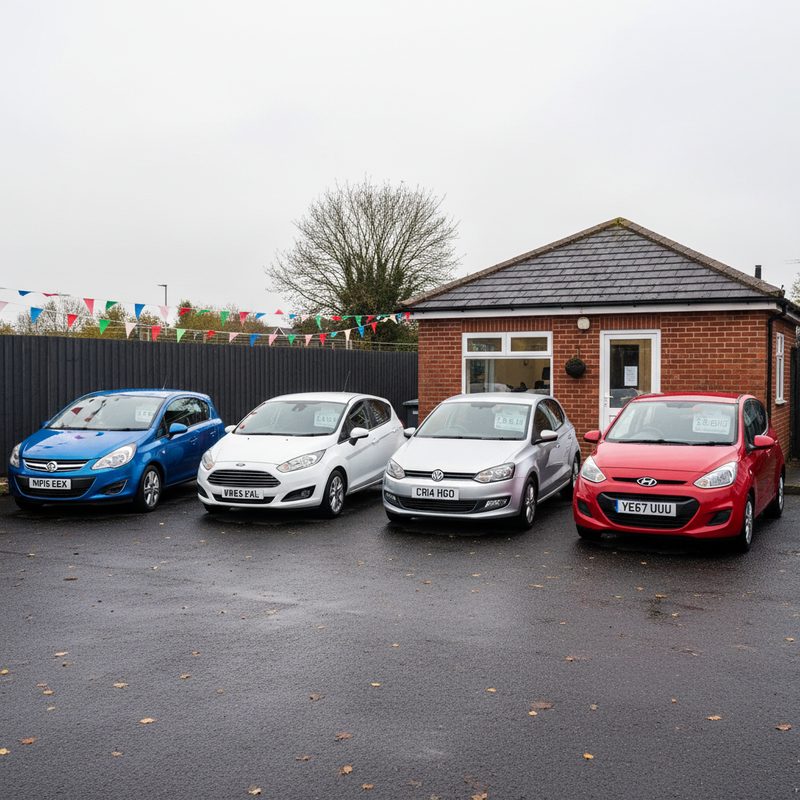
When it comes to selecting a first car, the Ford Fiesta stands out as my top recommendation. This little hatchback has been a favourite among new drivers for years, and for good reason. Its compact size makes it a breeze to manoeuvre in tight spaces, which is perfect for city driving. The Fiesta is also known for its excellent fuel economy, typically achieving around 50 to 60 miles per gallon, depending on the engine choice. This means fewer trips to the petrol station and more money in your pocket.
Another reason to consider the Fiesta is its strong safety record. It comes equipped with multiple airbags, stability control, and excellent crash test ratings. For a new driver, feeling safe on the road is paramount, and the Fiesta delivers on that front. Plus, it’s relatively affordable on the used market, with prices typically ranging from £3,000 to £6,000 depending on the model year and condition.
Next up is the Volkswagen Polo. This car is often praised for its build quality and reliability. The Polo offers a slightly more premium feel compared to the Fiesta, with a comfortable interior and a smooth ride. It’s a great choice for those who want a bit of style without sacrificing practicality. The Polo also boasts impressive fuel efficiency, making it a sensible option for those who will be doing a lot of driving.
For those who are looking for something a bit different, the Hyundai i10 is a fantastic choice. This compact city car is known for its reliability and low running costs. It’s small enough to fit into the tightest parking spaces, yet surprisingly spacious inside. The i10 is also packed with features, including a decent infotainment system and good safety ratings. Prices for a used Hyundai i10 typically start around £4,000, making it an affordable option for first-time buyers.
If you’re after a bit of fun while driving, consider the Mazda 2. This car is known for its engaging driving experience, making it a joy to drive on both city streets and country roads. The Mazda 2 combines sporty handling with practicality, and it’s also fuel-efficient. It’s a great choice for those who want a reliable car that doesn’t compromise on driving pleasure. Expect to find used models in the £5,000 to £7,000 range.
Lastly, the Toyota Aygo deserves a mention. This quirky little car is perfect for urban driving, thanks to its compact size and tight turning circle. The Aygo is incredibly reliable, and Toyota’s reputation for longevity means you can expect it to serve you well for years to come. It’s also one of the cheapest cars to insure, which is a significant consideration for new drivers. Prices for the Aygo typically start around £3,500.
Insurance reality
One of the most significant factors for first-time car buyers is insurance. As a new driver, you’re likely to be placed in a higher insurance group due to your lack of experience. This can lead to hefty premiums, but choosing the right car can help mitigate those costs. For instance, cars in lower insurance groups, like the Toyota Aygo and Hyundai i10, can be significantly cheaper to insure.
Insurance groups range from 1 to 50, with lower numbers indicating cheaper premiums. The Ford Fiesta typically falls into groups 5 to 10, while the Volkswagen Polo can range from 6 to 12, depending on the model. It’s essential to check the specific group rating for the model you’re considering, as this can vary.
To give you an idea, typical insurance quotes for a 17 to 25-year-old might range from £800 to £1,500 annually, depending on the car and your driving history. Here are some tips to help lower your insurance costs:
- Consider a black box policy: This monitors your driving habits and can lead to lower premiums if you drive safely.
- Increase your excess: A higher voluntary excess can lower your premium, but make sure you can afford it in case of a claim.
- Limit modifications: Keeping your car as close to standard as possible can help keep insurance costs down.
- Add a named driver: Adding an experienced driver to your policy can sometimes lower your premium, but be careful not to engage in ‘fronting’, as this is illegal.
Running costs breakdown
When budgeting for your first car, it’s essential to consider all running costs, not just fuel and insurance. Here’s a breakdown of what you might expect to pay monthly:
- Fuel: Depending on your car and driving habits, you might spend between £100 and £150 per month on fuel.
- Insurance: As mentioned, expect to pay between £60 and £125 monthly, depending on your car and personal circumstances.
- Road Tax: This varies based on the car’s emissions. For many small cars, it can range from £0 to £20 per month.
- MOT and servicing: Budget around £30 to £50 monthly for regular maintenance and MOTs. This can vary based on the car’s age and condition.
- Repairs: Set aside a small amount each month for unexpected repairs. A good rule of thumb is around £20 to £30.
Putting this all together, a realistic monthly budget for a first-time car owner might look like this:
- Fuel: £120
- Insurance: £80
- Road Tax: £10
- MOT and servicing: £40
- Repairs: £25
Total: Approximately £275 per month. This budget can fluctuate based on your driving habits and the specific car you choose, but it gives you a solid starting point.
Safety that actually matters
Safety is a top priority for new drivers, and while Euro NCAP ratings are helpful, it’s essential to understand what features contribute to a car’s safety in real-world scenarios. Here are some key safety features to look for:
- ABS (Anti-lock Braking System): This prevents the wheels from locking up during hard braking, allowing you to maintain steering control.
- ESC (Electronic Stability Control): This helps prevent skidding and loss of control in slippery conditions.
- Multiple airbags: Look for cars with front, side, and curtain airbags for added protection in case of an accident.
- Lane Departure Warning: This feature alerts you if you unintentionally drift out of your lane, which can be especially helpful for new drivers.
- Rear Parking Sensors: These can help you avoid collisions while reversing, which is a common concern for inexperienced drivers.
When considering a car, check its safety features and ratings. The Ford Fiesta and Volkswagen Polo both come equipped with a range of safety technologies that can help keep new drivers safe on the road.
Mistakes Dave sees all the time
As someone who has seen countless first-time car buyers make the same mistakes, I want to share a few common pitfalls to avoid:
- Skipping the vehicle history check: Always check the car’s history before buying. You can use the CarBuyerIQ Vehicle Check for a free instant report. This can reveal if the car has been in any accidents, has outstanding finance, or has a questionable mileage record.
- Not test driving: Some buyers get so excited about a car that they skip the test drive. Always take the car for a spin to see how it feels on the road. Pay attention to how it handles, the comfort level, and any unusual noises.
- Ignoring the total cost of ownership: Many first-time buyers focus solely on the purchase price. Remember to consider insurance, fuel, maintenance, and tax when budgeting.
- Falling for flashy features: It’s easy to get distracted by fancy gadgets and tech. Focus on reliability and practicality first, especially as a new driver.
Dave's final word
Buying your first car is an exciting milestone, but it’s essential to approach the process with care. Focus on reliability, safety, and affordability to ensure you make a wise investment. Always do your research, check the vehicle’s history, and don’t rush into a decision. Whether you opt for the Ford Fiesta, Volkswagen Polo, or any of the other reliable options mentioned, make sure it’s a car that fits your lifestyle and budget.
Remember, the right first car can make all the difference in your driving experience. So take your time, weigh your options, and when you find the right one, you’ll be ready to hit the road with confidence.