Safest First Cars Ncap: Dave Recommends
Looking for a safe first car? Dave recommends the best options based on safety ratings and features that matter for new drivers.
Choosing a first car can be a daunting task, especially when safety is a top priority. As a new driver, you want something that not only gets you from A to B but also keeps you safe on the road. In this guide, I’ll recommend some of the safest first cars based on their Euro NCAP ratings and essential safety features. These cars are perfect for new drivers, offering peace of mind without breaking the bank.
Key facts
- Euro NCAP ratings are a reliable indicator of vehicle safety.
- Many new drivers can benefit from cars in lower insurance groups.
- Safety features such as ABS, airbags, and electronic stability control are crucial for inexperienced drivers.
- Regular maintenance and checks can enhance safety and reliability.
Dave's genuine recommendations
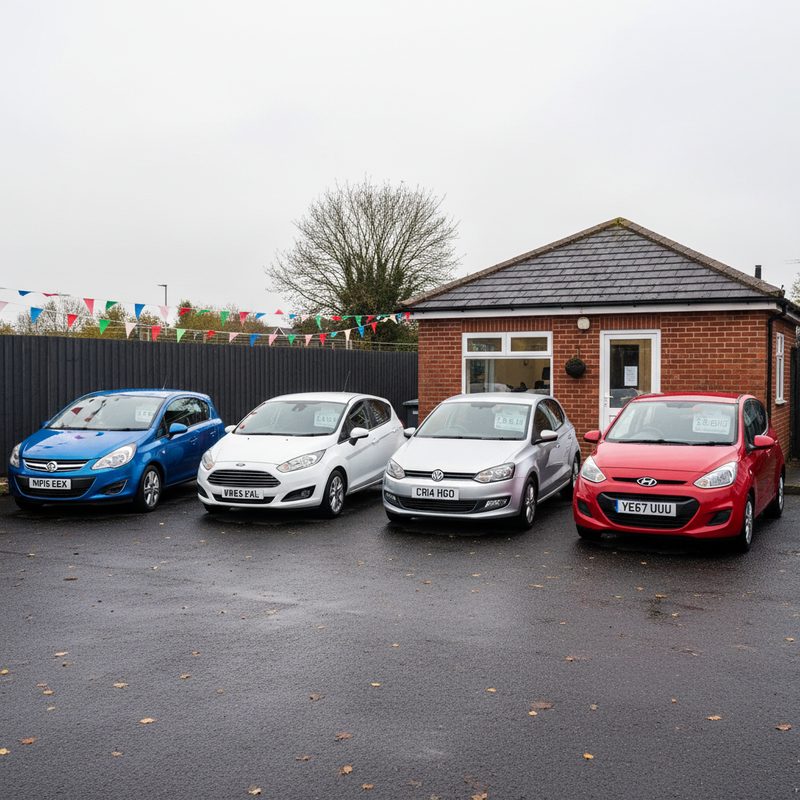
When it comes to recommending the safest first cars, I’d lead with the Ford Fiesta. This little gem has consistently scored well in Euro NCAP tests, making it a safe bet for new drivers. The Fiesta boasts a five-star safety rating, and its compact size makes it easy to manoeuvre, especially in urban areas. Plus, it’s a fun drive, which is a bonus for young drivers eager to hit the road.
Another excellent choice is the Volkswagen Polo. Known for its solid build quality and safety features, the Polo is equipped with multiple airbags, electronic stability control, and advanced braking systems. It’s a bit pricier than the Fiesta, but the extra investment pays off in terms of safety and reliability. The Polo also has a spacious interior, making it a practical option for those who might need to carry passengers or luggage.
For those looking for something a bit different, consider the Skoda Fabia. This car is often overlooked but deserves attention for its high safety ratings and practicality. The Fabia offers a comfortable ride, ample boot space, and a range of safety features that can help new drivers feel more secure on the road. Its affordability also makes it an attractive option for first-time buyers.
If you’re after a small SUV, the Dacia Duster is worth a look. It’s surprisingly safe for its class, with a robust design and a good range of safety features. The elevated driving position gives new drivers a better view of the road, which can help with confidence. Plus, it’s budget-friendly, making it an excellent choice for those who want a bit more space without compromising on safety.
Lastly, the Toyota Yaris is another solid contender. Known for its reliability, the Yaris also scores well in safety tests. It’s equipped with advanced safety technologies, including lane departure warning and automatic emergency braking. This car is perfect for those who want a dependable vehicle that’s also packed with features to help keep them safe.
Insurance reality
Insurance is a significant factor for new drivers, and understanding how it works can save you a lot of money. Cars are rated in insurance groups, which can range from 1 to 50, with lower numbers indicating cheaper insurance premiums. For example, the Ford Fiesta typically falls into groups 1 to 10, making it an affordable option for young drivers.
For 17 to 25-year-olds, insurance premiums can be quite high, often exceeding £1,000 annually for many models. However, by choosing cars in lower insurance groups, you can significantly reduce these costs. It’s also wise to consider a few tricks to lower your premiums further. For instance, opting for a black box insurance policy can help, as it monitors your driving behaviour and rewards safe driving with lower premiums.
Another effective strategy is to increase your voluntary excess. While this means you’ll pay more out of pocket in the event of a claim, it can lower your premium significantly. Additionally, consider adding a more experienced driver to your policy as a named driver; this can also help reduce costs. Always compare quotes from different insurers, as prices can vary widely.
Running costs breakdown
Owning a car involves more than just the purchase price; you need to factor in running costs as well. For a first-time car owner, here’s a realistic monthly budget example:
- Insurance: £80 to £150 (depending on the car and your driving history)
- Fuel: £80 to £120 (based on average mileage and fuel efficiency)
- Road Tax: £10 to £30 (depending on the vehicle’s emissions)
- Maintenance and servicing: £30 to £50 (set aside for regular checks and unexpected repairs)
- MOT: £30 to £50 (annual cost, averaged monthly)
In total, you might be looking at around £300 to £400 per month for running costs. This budget can vary based on your driving habits, the car you choose, and how well you maintain it. It’s crucial to keep these costs in mind when selecting your first car, as they can add up quickly.
Safety that actually matters
When evaluating the safety of a first car, it’s essential to look beyond just the Euro NCAP star ratings. While these ratings are a good starting point, understanding the specific safety features can make a real difference for inexperienced drivers. Here are some key features to consider:
- ABS (Anti-lock Braking System): This prevents the wheels from locking up during hard braking, helping maintain steering control.
- Airbags: Look for cars with multiple airbags, including front, side, and curtain airbags, to protect all passengers.
- Electronic Stability Control (ESC): This system helps prevent skidding and loss of control, particularly in adverse weather conditions.
- Lane Departure Warning: This feature alerts drivers if they unintentionally drift out of their lane, which can be particularly useful for new drivers still getting used to the road.
- Automatic Emergency Braking: This technology can detect an impending collision and apply the brakes automatically, potentially preventing an accident.
These features are not just buzzwords; they can significantly enhance safety for new drivers who may not yet have the experience to react quickly in emergencies. When shopping for your first car, make sure to check for these features and prioritise them in your decision-making process.
Mistakes Dave sees all the time
As someone who’s seen countless first-time buyers make the same mistakes, I want to share some common pitfalls to avoid:
-
Ignoring the vehicle history: Many new drivers overlook the importance of checking a car’s history. Always run a CarBuyerIQ Vehicle Check to ensure there are no hidden issues like outstanding finance or previous accidents. This simple step can save you from buying a car that could become a financial burden.
-
Focusing solely on price: While it’s tempting to go for the cheapest option, remember that safety and reliability should be your top priorities. A slightly more expensive car with better safety ratings can save you money in the long run through lower insurance costs and fewer repairs.
-
Neglecting to test drive: Some buyers skip the test drive, thinking they can gauge a car’s suitability from the specs alone. This is a mistake; a test drive allows you to assess comfort, handling, and visibility, which are crucial for new drivers.
-
Not considering future needs: Many first-time buyers fail to think about their future needs. Will you need more space for passengers or luggage? Consider how your lifestyle may change in the coming years and choose a car that can adapt to those changes.
-
Overlooking running costs: It’s easy to focus on the purchase price and forget about ongoing costs. Be sure to factor in insurance, fuel, maintenance, and road tax when budgeting for your first car.
Dave's final word
Buying your first car is an exciting milestone, but it’s essential to approach it with care. Prioritise safety by choosing a vehicle with a strong Euro NCAP rating and essential safety features. Don’t forget to consider running costs and insurance, as these can significantly impact your overall budget.
Always do your homework before making a purchase. Check the vehicle’s history with a CarBuyerIQ Vehicle Check to avoid any nasty surprises. Remember, the right first car can provide you with the freedom to explore while keeping you safe on the road. Take your time, do your research, and you’ll find a car that suits your needs and gives you peace of mind as you embark on your driving journey.