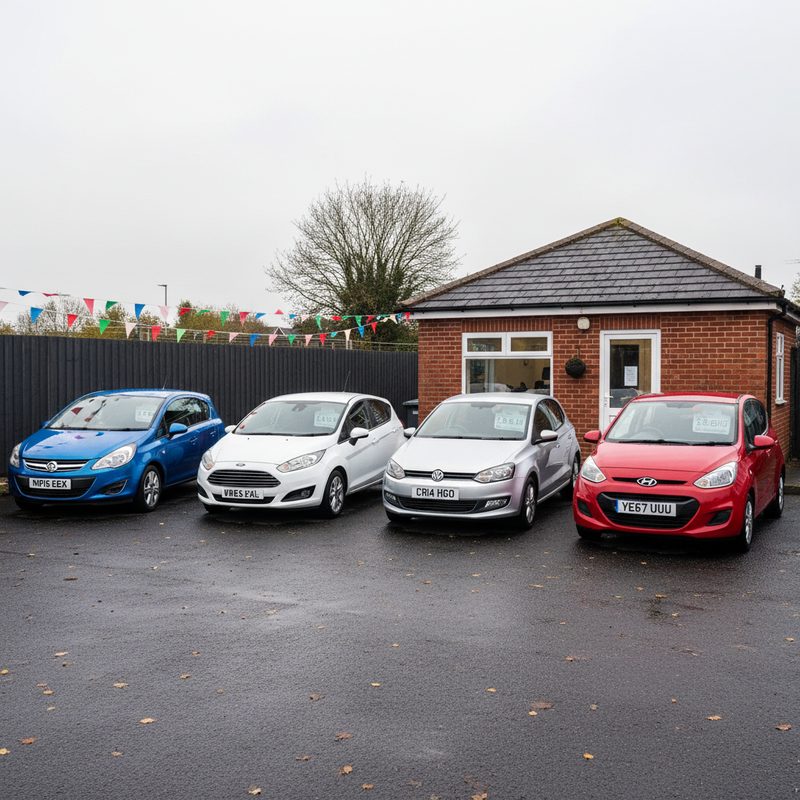
Best First Cars Under £4000 — Dave Recommends
Explore Dave's top recommendations for first cars under £4000, along with crucial tips on insurance, running costs, safety features, and common mistakes to avoid.
Introduction
Choosing your [First Car](/guides/first-cars/first-car-insurance-tips-save-money) is a significant milestone, and if you're looking for something reliable without breaking the bank, you're in the right place. With a budget of £4000, there are plenty of options that combine affordability, reliability, and practicality. In this guide, I’ll share my top recommendations for first cars under £4000, along with essential advice on insurance, running costs, safety features, and common mistakes to avoid. Let's get started!
Dave's Recommendations
When it comes to first cars, you want something that’s easy to drive, economical, and has a good safety record. Here are my top picks:
1. Ford Fiesta
The Ford Fiesta has long been a favourite among new drivers. With a starting price around £3000 for a decent model, you’ll find it easy to manoeuvre and park, making it ideal for city driving. The Fiesta is known for its reliability and low running costs, with fuel economy often exceeding 50 mpg. Plus, it has a good safety rating, which is crucial for new drivers.
2. Vauxhall Corsa
Another solid choice is the Vauxhall Corsa. Prices can start as low as £2500 for older models, and it offers a comfortable ride with a spacious interior. The Corsa is also economical, with many models achieving around 55 mpg. It’s a practical choice for those who may need to carry passengers or luggage.
3. Volkswagen Polo
The Volkswagen Polo is a bit pricier, but you can still find decent models under £4000. Known for its build quality and reliability, the Polo is a great investment. Prices typically start around £3500, and it offers a premium feel compared to other small cars. Fuel efficiency is also impressive, often around 60 mpg.
4. Skoda Fabia
The Skoda Fabia is often overlooked but is a fantastic option for first-time drivers. With prices starting around £3000, it offers a spacious interior and a large boot, making it practical for everyday use. The Fabia is also economical, with many models achieving over 50 mpg, and it has a solid safety record.
5. Toyota Yaris
The Toyota Yaris is renowned for its reliability and low maintenance costs. You can find good models for around £3500. It’s compact and easy to drive, making it perfect for new drivers. The Yaris also boasts excellent fuel economy, often around 55 mpg, and has a good safety rating.
6. Hyundai i20
The Hyundai i20 is another excellent choice, with prices starting around £3000. It offers a comfortable ride and a well-designed interior. The i20 is known for its reliability and comes with a decent amount of standard equipment. Fuel economy is competitive, often exceeding 50 mpg, making it a cost-effective option.
Insurance Considerations for New Drivers
One of the biggest expenses for new drivers is insurance. It’s essential to factor this into your budget when choosing your first car. Here are some tips:
Choose a Smaller Engine
Generally, cars with smaller engines are cheaper to insure. Look for vehicles with engines under 1.2 litres, as they typically fall into lower insurance groups. For instance, the Ford Fiesta and Vauxhall Corsa often have models in lower insurance categories.
Consider Insurance Groups
Each car is assigned an insurance group from 1 to 50, with lower numbers indicating cheaper premiums. When you’re looking at cars, check their insurance group ratings. For example, the Toyota Yaris and Hyundai i20 often feature in lower groups, making them more affordable to insure.
Compare Quotes
Don’t settle for the first insurance quote you receive. Use comparison websites to find the best deals. Also, consider adding a named driver with more experience to your policy, which can sometimes lower your premium.
Look for Discounts
Many insurers offer discounts for new drivers, especially if you complete a recognised driving course. Additionally, consider telematics insurance, where your driving behaviour is monitored, potentially leading to lower premiums if you drive safely.
Running Costs and Hidden Expenses
When budgeting for your first car, it’s crucial to consider running costs beyond just fuel and insurance. Here are some hidden expenses to keep in mind:
Fuel Costs
Fuel efficiency varies significantly between models. For example, while the Skoda Fabia may achieve around 50 mpg, a less economical car could cost you more at the pump. Calculate your expected mileage and fuel costs to get a clearer picture of your monthly expenses.
Maintenance and Repairs
Older cars may require more maintenance, so factor in potential repair costs. Look for cars with a good service history and consider models known for reliability, like the Toyota Yaris. Regular servicing can prevent costly repairs down the line.
Road Tax
Don’t forget about road tax, which varies based on CO2 emissions. Cars with lower emissions, like the Hyundai i20, may have lower tax rates. Check the tax band for any car you’re considering to avoid unexpected costs.
MOT Costs
If you’re buying a used car, it’s essential to check when the next MOT is due. An MOT can cost around £54.85, and if your car needs repairs to pass, that’s an additional expense. Ensure the car has a valid MOT certificate and check for any advisories that may need addressing soon.
Safety Features That Matter
Safety should be a top priority when choosing your first car. Here are some essential safety features to look for:
Airbags
Ensure the car has multiple airbags, including front and side airbags, to protect you in the event of a collision. Most modern cars, including the Ford Fiesta and Vauxhall Corsa, come equipped with these.
ABS and ESC
Anti-lock Braking System (ABS) and Electronic Stability Control (ESC) are vital for maintaining control during emergency braking and adverse conditions. Look for cars that include these features as standard.
Euro NCAP Ratings
Check the Euro NCAP safety ratings for any car you’re considering. These ratings provide an independent assessment of a car’s safety performance in crash tests. Aim for cars that have received a 4 or 5-star rating.
Visibility Features
Good visibility is crucial for new drivers. Look for cars with large windows and minimal blind spots. Features like rear parking sensors or a reversing camera can also help you navigate tight spaces safely.
Common First-Car Mistakes to Avoid
As a new driver, it’s easy to make mistakes when choosing your first car. Here are some common pitfalls to avoid:
Skipping the Test Drive
Always test drive a car before buying it. This helps you get a feel for how it handles and whether it’s comfortable for you. Don’t just rely on online reviews; your personal experience is crucial.
Ignoring the History Check
Always perform a history check on any used car. This can reveal if the car has been in any accidents, has outstanding finance, or has been stolen. Services like HPI checks can provide peace of mind.
Overlooking Insurance Costs
Many new drivers underestimate insurance costs. Always get quotes before committing to a car. A seemingly cheap car may have high insurance premiums, affecting your overall budget.
Focusing Solely on Price
While staying within budget is essential, don’t sacrifice reliability for a lower price. A cheap car that requires frequent repairs can end up costing you more in the long run.
How to Choose Between Options
With so many options available, how do you choose the right first car? Here are some tips to help you make an informed decision:
Assess Your Needs
Consider what you need from a car. Will you be driving mostly in the city, or do you need something for longer journeys? Think about how many passengers you’ll typically carry and any additional space you might need for luggage.
Research and Compare
Use online resources to compare different models. Look at reviews, reliability ratings, and running costs. Websites like AutoTrader and WhatCar? can provide valuable insights.
Set Priorities
Decide what features are most important to you. Is fuel efficiency your top priority, or do you want a car with advanced safety features? Make a list of your must-haves and nice-to-haves to help narrow down your options.
Seek Expert Advice
Don’t hesitate to ask for help. Whether it’s from a trusted mechanic, a knowledgeable friend, or even a car advisor tool like Vehicle Intelligence, getting expert advice can help you make a better decision.
Conclusion
Choosing your first car is an exciting journey, and with a budget of £4000, you have plenty of excellent options available. From the reliable Ford Fiesta to the spacious Skoda Fabia, each of my recommendations offers something unique for new drivers. Remember to consider insurance costs, running expenses, and safety features when making your decision. Avoid common pitfalls, and don’t hesitate to seek expert advice. With the right approach, you’ll find a car that suits your needs and sets you up for a successful driving experience. Happy car hunting!
Check any car with Dave
Get Dave's free AI-powered vehicle check before you make a decision.