Best First Cars Under £10000: Dave Recommends
Looking for your first car? Dave recommends the best options under £10,000, covering safety, insurance, and running costs to help you make an informed choice.
Introduction
Buying your first car is an exciting milestone, isn’t it? It’s not just about getting from A to B; it’s about freedom, independence, and a bit of adventure. But with so many options out there, how do you choose the right one? Fear not! I’m here to guide you through the best first cars under £10,000, ensuring you make a smart, informed choice.
In this guide, I’ll share my top recommendations, discuss insurance realities, break down running costs, highlight essential safety features, and point out common pitfalls that first-time buyers often encounter. So, buckle up and let’s dive in!
Dave's Genuine Recommendations
Ford Fiesta: The All-Rounder
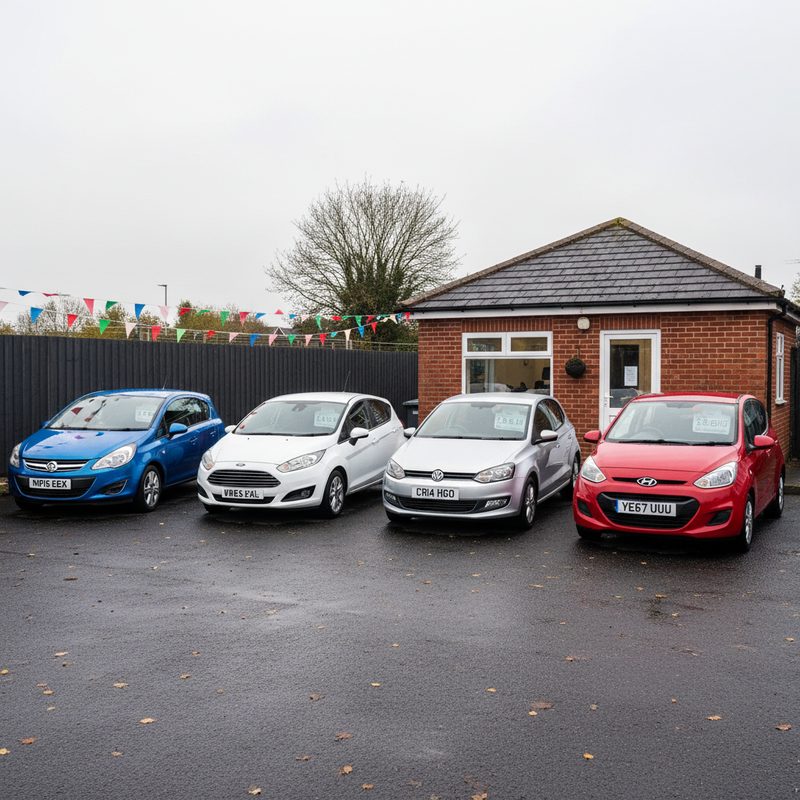
If I had to pick one car that I’d recommend to my own kid, it would be the Ford Fiesta. Why? Because it’s the quintessential first car that ticks all the boxes. The Fiesta is not only fun to drive but also practical and economical. You can easily find models under £10,000, especially if you’re looking at slightly older ones.
The Fiesta has a reputation for reliability, and with its low running costs, it’s a favourite among young drivers. You can expect to pay around £7,000 to £9,000 for a decent model, which often comes with a good level of equipment, including Bluetooth connectivity and decent safety features. Plus, the Fiesta is known for its nimble handling, making it perfect for city driving.
Volkswagen Polo: The Classy Choice
Next up is the Volkswagen Polo. If you’re after something that feels a bit more premium, the Polo is your go-to. It has a solid build quality and a reputation for longevity. You’ll find that it holds its value well, which is a bonus if you ever decide to sell it on.
Prices for a used Polo typically range from £8,000 to £10,000, depending on the year and mileage. The interior is well-designed and comfortable, making it a great choice for longer journeys. Plus, it’s fuel-efficient, which is a crucial factor for new drivers who might be watching their budgets.
Skoda Fabia: The Budget-Friendly Option
For those who want a reliable car without breaking the bank, the Skoda Fabia is a fantastic option. It’s often overlooked, but don’t let that fool you. The Fabia offers a spacious interior and a large boot, making it practical for everyday use.
You can easily find models under £10,000, with prices typically between £6,000 and £9,000. The running costs are low, and it has a good safety rating, which is essential for new drivers. Plus, Skoda’s reputation for reliability means you can drive with peace of mind.
Toyota Yaris: The Eco-Friendly Choice
If you’re environmentally conscious or just want to save on fuel, the Toyota Yaris is a brilliant pick. Known for its hybrid models, the Yaris offers excellent fuel efficiency, which is a significant advantage for first-time car owners.
You can find used Yaris models under £10,000, usually priced between £7,500 and £9,500. The Yaris is compact, making it easy to park and manoeuvre in tight spaces, which is perfect for new drivers. Plus, Toyota’s reputation for reliability means you’re less likely to encounter unexpected repair costs.
Renault Clio: The Stylish Option
Last but not least, let’s talk about the Renault Clio. It’s stylish, fun to drive, and offers a great driving experience. The Clio has a modern interior with plenty of tech features, making it appealing to younger drivers.
Prices for a used Clio typically range from £7,000 to £10,000. It’s also known for its safety features, which is a significant consideration for new drivers. With its sporty look and enjoyable driving dynamics, the Clio is a great choice if you want something that stands out.
Insurance Reality
Let’s face it: insurance can be a right pain, especially for new drivers. The good news is that many of the cars I’ve mentioned are in lower insurance groups, which can help keep your premiums down.
For instance, the Ford Fiesta typically falls into insurance groups 5 to 12, depending on the model and engine size. This means you could expect quotes ranging from £800 to £1,200 for drivers aged 17 to 25. The Volkswagen Polo, on the other hand, usually sits in groups 6 to 14, with similar premium ranges.
Here’s a quick breakdown of typical insurance groups for the cars mentioned:
| Car Model | Insurance Group | Typical Premium Range |
|---|---|---|
| Ford Fiesta | 5 - 12 | £800 - £1,200 |
| Volkswagen Polo | 6 - 14 | £850 - £1,300 |
| Skoda Fabia | 5 - 10 | £750 - £1,150 |
| Toyota Yaris | 5 - 12 | £800 - £1,200 |
| Renault Clio | 6 - 14 | £850 - £1,300 |
To keep your premiums down, consider these tips:
- Choose a car in a lower insurance group: This can significantly reduce your costs.
- Increase your excess: A higher voluntary excess can lower your premium, but make sure it’s an amount you can afford to pay in case of a claim.
- Add a named driver: Adding an experienced driver to your policy can sometimes lower your premium.
- Consider a black box insurance policy: While I know it’s not everyone’s cup of tea, these policies can reward safe driving with lower premiums.
For more detailed advice on insurance, check out my guide on how to insure a first car cheaply.
Running Costs Breakdown
Now that you’ve got your eye on a few potential cars, let’s talk about what it actually costs to run one. Owning a car involves more than just the purchase price; you’ve got fuel, insurance, road tax, and maintenance to consider.
Here’s a rough monthly budget breakdown for a typical first-time car owner:
- Fuel: Depending on your driving habits, you might spend around £100 to £150 per month. If you’re driving a fuel-efficient car like the Toyota Yaris, you could be on the lower end of that scale.
- Insurance: As mentioned earlier, expect to pay between £800 and £1,200 annually, which breaks down to about £67 to £100 per month.
- Road Tax: Most of the cars I’ve mentioned fall into a lower tax bracket, typically costing around £130 to £200 annually, or about £11 to £17 per month. You can check the exact amount for your chosen model using the GOV.UK road tax checker.
- MOT and Maintenance: Budget around £50 to £100 per month for servicing and MOTs. Remember, first-time car owners often overlook this, but regular maintenance is key to keeping your car running smoothly.
So, if we add it all up, you’re looking at a monthly budget of around £300 to £400. This is a realistic figure that includes all the essentials. For a more detailed look at running costs, check out my guide on how much does it cost to run your first car in the UK.
Safety That Actually Matters
Safety is paramount, especially for new drivers who may not yet have the experience to handle tricky situations on the road. While Euro NCAP ratings are a good starting point, let’s dig deeper into what features truly make a difference.
-
ABS (Anti-lock Braking System): This prevents the wheels from locking up during hard braking, allowing you to maintain steering control. It’s a must-have for any first car.
-
ESC (Electronic Stability Control): This helps prevent skidding and loss of control, especially in slippery conditions. It’s a lifesaver for inexperienced drivers.
-
Airbags: Look for cars with multiple airbags, including front, side, and curtain airbags. They provide crucial protection in case of a collision.
-
Lane Departure Warning: This feature alerts you if you unintentionally drift out of your lane, which can be particularly helpful for new drivers who might be prone to distractions.
-
Rear Parking Sensors: These can help you avoid bumps and scrapes when reversing, which is a common concern for new drivers.
When considering a car, make sure to check its safety features and ratings. You can find detailed safety information on the GOV.UK MOT history site, which can give you insights into past performance.
Mistakes Dave Sees All the Time
As a used car expert, I’ve seen my fair share of first-time buyers make costly mistakes. Here are some common pitfalls to avoid:
-
Skipping the Test Drive: Never buy a car without taking it for a spin. You need to feel how it drives and whether it suits your needs. A test drive can reveal issues that aren’t apparent from just looking at the car.
-
Ignoring the History Check: Always check the car’s history using the DVLA vehicle check. This can uncover any hidden problems, such as outstanding finance or previous accidents.
-
Overlooking Running Costs: Many first-time buyers focus solely on the purchase price and forget about ongoing costs. Make sure you factor in insurance, fuel, and maintenance when budgeting.
-
Falling for the Flashy Features: It’s easy to get swayed by a car’s shiny gadgets, but remember that reliability and safety should be your top priorities. Don’t let a fancy infotainment system cloud your judgement.
-
Rushing the Decision: Take your time! It’s tempting to jump on a good deal, but make sure you’re making an informed choice. Research, compare, and don’t be afraid to walk away if something doesn’t feel right.
Dave's Final Word
Buying your first car is a big step, and it’s essential to make a choice that suits your lifestyle and budget. Remember to consider factors like safety, insurance costs, and running expenses. The cars I’ve recommended are all excellent choices that offer a blend of reliability, affordability, and fun.
Before you make a purchase, do your homework. Check the car’s history, take it for a test drive, and don’t rush into a decision. If you’re unsure, feel free to reach out and ask for advice. After all, I’m here to help you make the best choice possible. Happy car hunting, and may your first drive be a memorable one!