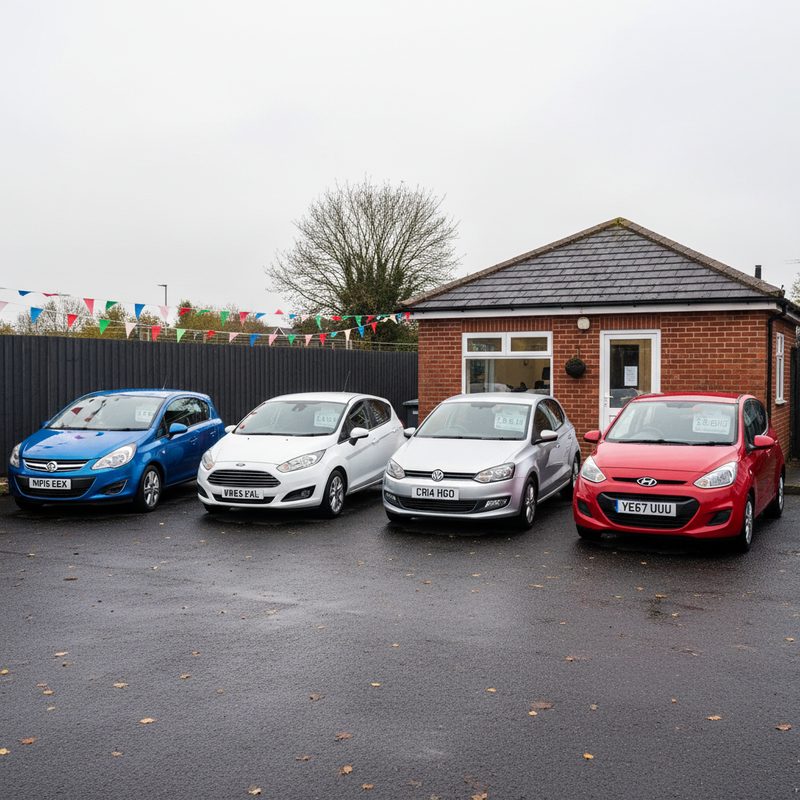
How To Insure A First Car Cheaply: Dave Recommends
Insuring your first car can be daunting. This guide offers practical advice and strategies to help you find affordable insurance options tailored for new drivers.
Insuring your first car doesn’t have to break the bank. With the right strategies and knowledge, you can find affordable options that suit your needs. In this guide, I’ll walk you through the ins and outs of car insurance for new drivers, share my top recommendations for cars that are cheaper to insure, and provide practical tips to keep your premiums low. Let’s dive in!
Key facts
- Young drivers often face higher insurance premiums due to inexperience.
- Insurance groups range from 1 (cheapest) to 50 (most expensive), affecting your premium.
- Adding a named driver with more experience can lower your insurance costs.
- Comprehensive coverage is often cheaper than third-party insurance for new drivers.
- Installing safety features can lead to discounts on your insurance.
Dave's genuine recommendations
When it comes to choosing a first car, not all vehicles are created equal, especially when it comes to insurance costs. Here are my top picks that offer a blend of affordability, reliability, and low insurance premiums.
1. Ford Fiesta: The All-Rounder
The Ford Fiesta is a classic choice for first-time drivers. It’s not just popular for its compact size and stylish design; it also falls into lower insurance groups, making it a wallet-friendly option. With insurance groups ranging from 1 to 20, depending on the model and trim, you can find a Fiesta that suits your budget. Plus, it’s known for its excellent handling and fuel efficiency, which is a bonus for new drivers looking to save on running costs.
2. Volkswagen Polo: The Safe Bet
If safety is your primary concern, the Volkswagen Polo is a fantastic choice. It consistently scores high in safety ratings and comes equipped with features like automatic emergency braking and lane-keeping assist. The Polo typically sits in insurance groups 1 to 20, making it a reasonable option for new drivers. It’s also spacious and comfortable, perfect for those longer journeys.
3. Skoda Fabia: The Practical Pick
The Skoda Fabia is often overlooked, but it’s a hidden gem for first-time car buyers. It offers a lot of space for passengers and luggage, making it ideal for weekend getaways. With insurance groups ranging from 1 to 15, it’s also one of the cheaper options to insure. Plus, Skoda’s reputation for reliability means fewer worries about unexpected repair costs.
4. Hyundai i10: The City Car
For those who plan to navigate urban environments, the Hyundai i10 is an excellent choice. Its compact size makes parking a breeze, and it’s surprisingly spacious inside. The i10 typically falls into insurance groups 1 to 10, making it one of the cheapest cars to insure. Its fuel efficiency is another perk, helping you save on petrol costs.
5. Toyota Aygo: The Fun Factor
If you want something that’s not just practical but also fun to drive, the Toyota Aygo is worth considering. It’s zippy, stylish, and perfect for city driving. With insurance groups ranging from 1 to 10, it’s one of the most affordable options for new drivers. Plus, Toyota’s reliability means you can count on it for years to come.
These recommendations are just the tip of the iceberg. For a more extensive list, check out my guide on the Best First Cars Under £4000: Dave Recommends and Best First Cars Under £6000: Dave Recommends.
Insurance reality
When it comes to insuring your first car, the reality is that premiums can be quite steep for young drivers. On average, 17 to 25-year-olds can expect to pay anywhere from £1,000 to £2,500 annually, depending on various factors like the car model, location, and driving history. Here are some key points to consider:
Understanding Insurance Groups
Every car is assigned an insurance group, which plays a significant role in determining your premium. Cars in lower groups (1-10) are generally cheaper to insure, while those in higher groups (30+) can be significantly more expensive. For example, the Ford Fiesta is often in group 1 to 20, while a sporty model like the Ford Focus ST might be in group 30 or higher. It’s crucial to check the group rating before making a purchase.
Tricks to Lower Premiums
- Add a Named Driver: Including an experienced driver on your policy can lower your premium. Just make sure they are genuinely going to drive the car; otherwise, it could be considered fronting, which is illegal.
- Choose Comprehensive Coverage: Surprisingly, comprehensive insurance can sometimes be cheaper than third-party insurance for new drivers. This is because insurers view comprehensive policies as lower risk due to the added protection.
- Limit Your Mileage: If you can, limit your annual mileage. Many insurers offer lower premiums for drivers who drive less than 7,500 miles a year.
- Install Security Features: Adding features like an immobiliser or a tracking device can lead to discounts on your insurance. It’s worth checking with your insurer to see what they recommend.
- Pay Annually: If you can afford it, paying your premium annually instead of monthly can save you money in the long run, as many insurers charge interest on monthly payments.
Running costs breakdown
Owning a car involves more than just the purchase price and insurance. As a first-time car owner, you need to budget for various running costs. Here’s a breakdown of what you can expect:
Monthly Budget Example
- Insurance: £100 to £200 (depending on the vehicle and your driving history)
- Fuel: £60 to £100 (based on average mileage and fuel efficiency)
- Road Tax: £10 to £30 (depending on the car’s emissions)
- MOT and Servicing: £15 to £30 (averaged monthly for annual costs)
- Repairs and Maintenance: £20 to £50 (set aside for unexpected repairs)
This brings your total monthly running costs to approximately £215 to £410. It’s essential to factor in these costs when deciding on a car, as they can significantly impact your budget.
For a deeper dive into specific models and their running costs, check out my guide on the Cheapest Cars To Insure New Drivers: Dave Recommends.
Safety that actually matters
Safety is a crucial factor for new drivers, and it’s not just about the Euro NCAP star rating. Here are some features that make a real difference:
Key Safety Features
- ABS (Anti-lock Braking System): This prevents the wheels from locking up during braking, allowing you to maintain steering control.
- ESC (Electronic Stability Control): This helps prevent skidding and loss of control, especially in slippery conditions.
- Airbags: Look for cars with multiple airbags, including side and curtain airbags, for added protection in a collision.
- Lane Departure Warning: This feature alerts you if you unintentionally drift out of your lane, which is especially useful for new drivers still getting used to the road.
- Automatic Emergency Braking: This can detect an impending collision and apply the brakes if you don’t react in time.
When choosing your first car, make sure to prioritise these safety features. They can make a significant difference in protecting you and your passengers.
For more insights on safety, check out my guide on the Safest First Cars Ncap: Dave Recommends.
Mistakes Dave sees all the time
As someone who’s been around the block a few times, I’ve seen first-time buyers make some common mistakes that can lead to regret down the line. Here are a few to watch out for:
Common Pitfalls
- Ignoring Insurance Costs: Many buyers focus solely on the purchase price of the car and overlook the insurance costs. Always check the insurance group before buying.
- Not Researching Vehicle History: Failing to check the vehicle’s history can lead to purchasing a car with outstanding finance or a hidden write-off. Always use a service like the CarBuyerIQ Vehicle Check to ensure you know what you’re getting into.
- Overestimating Their Driving Skills: New drivers often underestimate the challenges of driving, especially in busy areas. Choose a car that’s easy to handle and not too powerful.
- Neglecting Maintenance: Some first-time owners think they can skip regular servicing. This can lead to costly repairs down the line. Make sure to budget for regular maintenance.
Avoiding these mistakes can save you time, money, and a lot of frustration.
Dave's final word
Buying your first car is an exciting milestone, but it’s essential to approach it with careful consideration. By understanding the insurance landscape, choosing the right vehicle, and budgeting for running costs, you can make a smart decision that won’t leave you financially strained.
Always remember to check the insurance group of any car you’re considering, and don’t hesitate to use resources like the GOV.UK MOT history and DVLA check to ensure you’re making a wise investment. With the right preparation, you can enjoy the freedom of driving without the stress of high costs. Happy car hunting!