How Much Does It Cost to Run Your First Car UK
Understanding the costs of running your first car is crucial for new drivers. This guide breaks down expenses and offers practical tips.
Introduction
Buying your first car is an exciting milestone, but it’s essential to understand the ongoing costs associated with car ownership. Many new drivers focus solely on the purchase price, but the reality is that running a car involves various expenses that can add up quickly. This guide will explore the key costs you should consider when budgeting for your first car in the UK.
Dave's Recommendations with Reasons
When it comes to choosing your first car, certain models stand out for their affordability, reliability, and ease of use. Here are a few recommendations:
1. Ford Fiesta
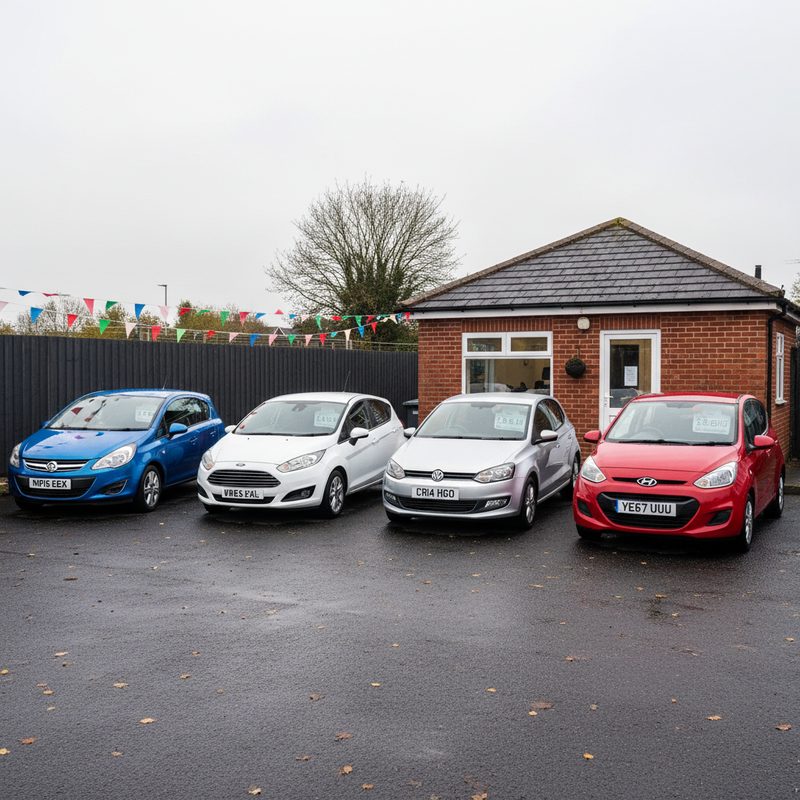
The Ford Fiesta has been a favourite among new drivers for years. It’s compact, easy to manoeuvre, and boasts excellent fuel efficiency, averaging around 50-60 mpg. Prices for a used model typically range from £6,000 to £10,000 depending on age and condition. Its popularity means parts are readily available, and it has a strong resale value.
2. Volkswagen Polo
Another solid choice is the Volkswagen Polo. Known for its build quality and safety features, the Polo offers a comfortable ride and good fuel economy, around 55 mpg. Expect to pay between £7,000 and £12,000 for a used model. The Polo's reputation for reliability makes it a wise investment for first-time buyers.
3. Vauxhall Corsa
The Vauxhall Corsa is often recommended for new drivers due to its affordability and practicality. With prices ranging from £5,000 to £9,000 for used models, it’s budget-friendly. The Corsa is also easy to park and has a decent fuel economy of around 50 mpg, making it ideal for city driving.
4. Skoda Fabia
The Skoda Fabia is a lesser-known gem that offers excellent value for money. With a spacious interior, good safety ratings, and fuel efficiency of about 55 mpg, it’s a practical choice for new drivers. Prices for used models typically range from £6,000 to £10,000.
5. Toyota Yaris
Finally, the Toyota Yaris is renowned for its reliability and low running costs. With an average fuel economy of 50-60 mpg, it’s economical to run. Prices for used models can be found between £7,000 and £11,000. The Yaris also has a reputation for holding its value well, making it a smart long-term choice.
Before making a purchase, it’s crucial to check any car with Dave's free vehicle intelligence report. This tool provides insights into the car's history, helping you avoid potential pitfalls.
Insurance Considerations for New Drivers
Insurance is one of the most significant ongoing costs for new drivers. Young drivers often face higher premiums due to a lack of driving experience. Here are some key points to consider:
1. Types of Insurance
There are three main types of car insurance: third-party, third-party fire and theft, and comprehensive. For new drivers, comprehensive insurance might seem more expensive, but it often covers more, which can be beneficial in the long run.
2. Factors Affecting Premiums
Several factors influence insurance premiums, including:
- Age: Younger drivers typically pay more.
- Car Type: High-performance cars attract higher premiums.
- Location: Urban areas often have higher rates due to increased risk of theft or accidents.
- No Claims Discount: Building a no claims history can significantly reduce future premiums.
3. Ways to Reduce Costs
To keep insurance costs manageable, consider the following:
- Choose a Smaller Engine: Cars with smaller engines usually cost less to insure.
- Telematics Insurance: Some insurers offer policies that track your driving behaviour, rewarding safe driving with lower premiums.
- Compare Quotes: Use comparison websites to find the best deals.
Running Costs and Hidden Expenses
Beyond insurance, several other costs can catch first-time car owners off guard. Here’s a breakdown of the key running costs:
1. Fuel Costs
Fuel prices fluctuate, but as of late 2023, petrol averages around £1.40 per litre. If your car achieves 50 mpg, you can expect to spend approximately £1,200 annually on fuel if you drive around 10,000 miles a year. It’s wise to calculate your expected fuel costs based on your driving habits.
2. Maintenance and Repairs
Regular maintenance is crucial for keeping your car running smoothly. Budget around £300 to £500 annually for routine services, including oil changes, tyre rotations, and brake checks. Additionally, set aside funds for unexpected repairs, as older cars may require more frequent attention.
3. Road Tax
Road tax, or Vehicle Excise Duty (VED), varies based on your car's emissions. For example, a car with low emissions may cost around £20 per year, while a high-emission vehicle could set you back £500 or more. Check the VED rates for your specific vehicle to budget accordingly.
4. MOT Costs
Once your car is three years old, it will require an annual MOT test to ensure it meets safety and environmental standards. The average cost of an MOT is around £50, but it can vary depending on the garage. If your car fails, you’ll need to budget for any necessary repairs.
5. Tyres
Tyre maintenance is often overlooked, yet it’s crucial for safety. A new set of tyres can cost anywhere from £200 to £600, depending on the brand and type. Regular checks and rotations can extend the life of your tyres, saving you money in the long run.
Safety Features That Matter
When choosing your first car, safety should be a top priority. Here are some essential safety features to look for:
1. Airbags
Ensure your car has multiple airbags, including front, side, and curtain airbags, to protect occupants in the event of a collision.
2. Anti-lock Braking System (ABS)
ABS helps prevent the wheels from locking during hard braking, allowing for better control of the vehicle.
3. Electronic Stability Control (ESC)
ESC helps prevent skidding and loss of control, especially in slippery conditions, making it a vital feature for new drivers.
4. Advanced Driver Assistance Systems (ADAS)
Features like lane departure warning, adaptive cruise control, and automatic emergency braking can enhance safety and reduce the risk of accidents.
5. Euro NCAP Ratings
Check the Euro NCAP ratings for any car you’re considering. A higher rating indicates better crash protection and safety features.
Common First-Car Mistakes to Avoid
Navigating the world of car ownership can be daunting for new drivers. Here are some common mistakes to steer clear of:
1. Skimping on Insurance
Many new drivers opt for the cheapest insurance policy without considering coverage. It’s essential to balance cost with adequate protection.
2. Ignoring Running Costs
Failing to budget for fuel, maintenance, and other expenses can lead to financial strain. Always consider the total cost of ownership, not just the purchase price.
3. Not Researching the Car’s History
Purchasing a used car without checking its history can lead to costly surprises. Always use a vehicle history report to uncover any hidden issues.
4. Overlooking Safety Features
Prioritising style over safety can be a grave mistake. Ensure your first car has essential safety features to protect you on the road.
5. Buying Too Much Car
New drivers often feel pressured to buy flashy or high-performance vehicles. Choose a car that suits your needs and budget, rather than one that looks good on paper.
How to Choose Between Options
With so many choices available, selecting the right first car can be overwhelming. Here are some tips to help you make an informed decision:
1. Assess Your Needs
Consider your driving habits. Will you primarily drive in the city, or do you need a car for longer journeys? This will help narrow down your options.
2. Set a Budget
Determine how much you can afford, including purchase price, insurance, and running costs. Stick to your budget to avoid financial strain.
3. Test Drive
Always test drive any car you’re considering. Pay attention to how it feels on the road, visibility, and comfort.
4. Research Reliability
Look for reviews and reliability ratings for the models you’re considering. A reliable car will save you money on repairs and maintenance.
5. Consult Experts
Don’t hesitate to seek advice from experienced drivers or use tools like Dave's free vehicle intelligence report to gain insights into specific cars.
Conclusion
Understanding the costs associated with running your first car is crucial for new drivers. From insurance and fuel to maintenance and safety features, being informed will help you make smarter decisions. Always remember to check any car with Dave's free vehicle intelligence report before buying to ensure you’re making a sound investment. With the right knowledge and preparation, you can enjoy the freedom of driving without the stress of unexpected expenses.