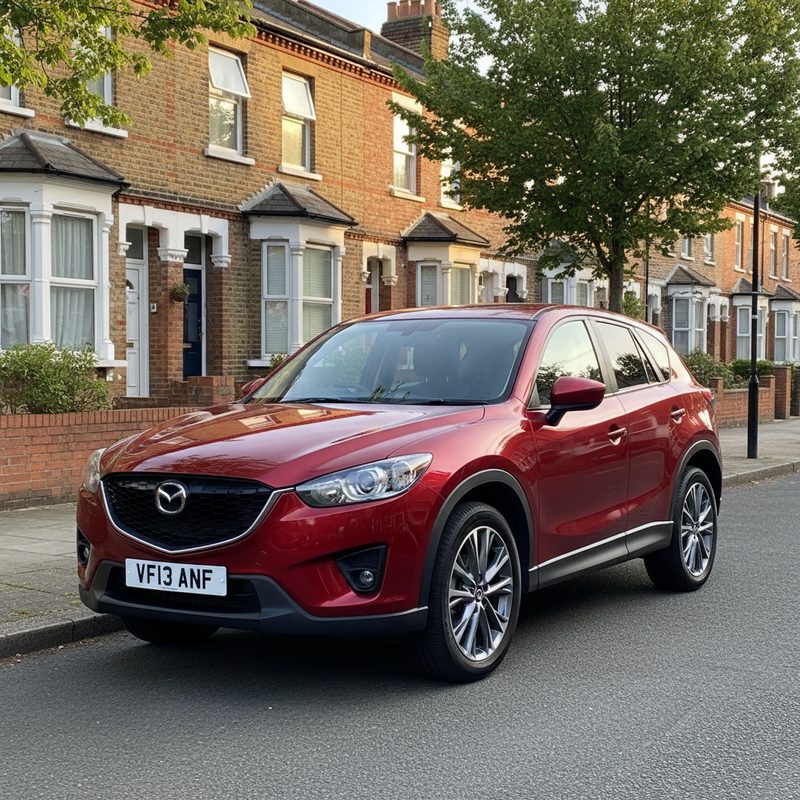
Mazda CX-5 Depreciation: Best Age to Buy Used
Discover the depreciation trends of the Mazda CX-5, the best age to buy for value, and how to minimise depreciation when purchasing a used model.
Understanding Depreciation in the Mazda CX-5
When considering a used car, understanding depreciation is crucial. The Mazda CX-5, a popular choice among UK drivers, has its own unique depreciation curve that can significantly impact your purchasing decision. Generally, cars lose value the moment they leave the dealership, but the rate of depreciation can vary widely between models. For the CX-5, you can expect an average depreciation rate of around 50-60% over the first five years. This means that a vehicle that originally costs £30,000 could be worth only £12,000 to £15,000 after five years.
This depreciation curve is influenced by various factors, including the car's popularity, reliability, and overall demand in the used car market. The Mazda CX-5 has built a solid reputation for reliability and practicality, which helps it retain value better than some competitors. However, like any vehicle, it still faces the inevitable depreciation that comes with age and mileage.
Depreciation Curve for the Mazda CX-5
To get a clearer picture of how the Mazda CX-5 depreciates, let's break down its value over time. Typically, the first year sees the steepest drop in value, often around 20-25%. For example, a brand-new CX-5 priced at £30,000 could be worth approximately £22,500 after just one year.
As the years progress, the depreciation rate tends to level off. By the end of the second year, the vehicle might lose another 15%, bringing its value down to about £19,125. By the end of the third year, expect a total depreciation of around 40%, leaving the car valued at around £18,000.
If you are weighing up alternatives, our guide to Dacia Duster Depreciation covers similar ground from a different angle.
From years four to five, the depreciation rate slows, with the vehicle losing about 10-15% each year. After five years, the Mazda CX-5's value stabilises, making it a more attractive option for used car buyers. This gradual depreciation curve means that purchasing a CX-5 that is three to four years old can often yield the best value for your money.
Sweet Spot Age: Best Year to Buy for Value
Determining the best age to buy a Mazda CX-5 hinges on finding that sweet spot where depreciation has levelled off, but the vehicle still offers modern features and reliability. Generally, the ideal age for purchasing a used CX-5 is between three and four years old. At this age, the car has already undergone the steepest depreciation, yet it still retains many of the desirable features and technologies that newer models offer.
For instance, a 2019 Mazda CX-5 might have an original price of around £28,000. By now, you could find it on the market for approximately £18,000 to £20,000, depending on its condition and mileage. This represents a significant saving compared to buying new, while still providing a relatively recent model with modern safety features, infotainment systems, and fuel efficiency.
For more on this topic, take a look at our Best Age to Buy a BMW 3 Series for Value guide.
Moreover, the CX-5 has consistently received high ratings for reliability, which means that a three or four-year-old model is likely to have fewer issues than older vehicles. This reliability, combined with a more manageable price point, makes this age range particularly appealing for budget-conscious buyers.
Which Variants/Specs Hold Value Best
Not all Mazda CX-5 variants are created equal when it comes to holding their value. The trim level, engine choice, and optional features can all impact resale value. Generally, the higher-spec models, such as the Sport Nav or GT Sport, tend to retain their value better than the base models. This is largely due to the additional features and technology that come with these trims, which are often more appealing to used car buyers.
For example, a CX-5 GT Sport with all-wheel drive and advanced safety features may have a higher resale value than a base model with front-wheel drive. Buyers are often willing to pay a premium for the added comfort and technology, which can lead to better retention of value over time.
You might also find our Audi Q3 Depreciation guide useful alongside this one.
Additionally, colour can play a surprising role in resale value. Neutral colours like grey, black, and white tend to be more popular and can help maintain a car's value better than more vibrant colours. If you're considering a used CX-5, opting for a popular trim and a neutral colour can be a smart strategy for minimising depreciation.
Factors That Affect the Mazda CX-5's Resale Value
Several factors can influence the resale value of a Mazda CX-5, and being aware of these can help you make a more informed purchase. One of the most significant factors is mileage. Generally, the lower the mileage, the higher the resale value. A CX-5 with under 30,000 miles will typically command a better price than one with over 60,000 miles.
Condition is another crucial factor. A well-maintained vehicle with a full service history will always be more attractive to buyers. Regular servicing and maintenance not only keep the car running smoothly but also help to preserve its value. You can check the service history of any Mazda CX-5 through the DVLA vehicle check, which can provide insights into its past.
We have covered related ground in our Vauxhall Astra Depreciation Curve UK guide, which is worth reading if this subject interests you.
Market demand also plays a role. The Mazda CX-5 has a strong following, and its reputation for reliability means that there is often consistent demand for used models. If you’re looking to buy during a time when demand is high, such as during the summer months when families are looking for larger vehicles, you might find prices slightly inflated.
Lastly, external factors such as fuel prices and economic conditions can influence resale values. For instance, during times of economic uncertainty, buyers may lean towards more economical vehicles, which could affect the resale value of larger SUVs like the CX-5. Keeping an eye on these trends can help you time your purchase better.
How to Minimise Depreciation When You Buy
Minimising depreciation starts before you even make a purchase. Here are some strategies to consider:
You can check the exact safety score for any model on the Euro NCAP website.
-
Choose the Right Model: As mentioned earlier, opting for a higher-spec variant can lead to better retention of value. Look for models with desirable features that are in demand.
-
Buy Used: The most effective way to minimise depreciation is to buy a used vehicle. As discussed, purchasing a CX-5 that is three to four years old allows you to avoid the steepest depreciation.
-
Maintain the Vehicle: Regular servicing and maintenance are crucial. Keeping the car in good condition not only helps it run better but also makes it more appealing to future buyers. Be sure to keep records of all maintenance work done.
If things go wrong after purchase, Citizens Advice can help you understand your legal rights.
-
Consider Mileage: If you can, try to find a model with lower mileage. A vehicle that has been driven less will typically have a higher resale value.
-
Keep it Clean: A well-maintained exterior and interior can make a significant difference in resale value. Regular cleaning and detailing can help keep the car looking its best.
-
Timing Your Sale: If you plan to sell the vehicle in the future, consider the timing. Selling during peak demand seasons can help you get a better price.
Dave's Recommendation on Timing Your Purchase
Timing your purchase can be just as important as the model you choose. The Mazda CX-5 often sees a surge in availability during the spring and summer months, as many families trade in their vehicles for newer models. This influx can lead to more competitive pricing and a wider selection.
However, if you’re looking for the best deals, consider shopping during the winter months. Many dealerships are eager to clear out inventory before the new year, which can lead to significant discounts. Additionally, the end of the month or quarter can be a good time to negotiate, as salespeople may be trying to meet targets.
Ultimately, the key is to do your research and be patient. Use tools like AutoTrader to compare prices and find the best deals on used Mazda CX-5s. And don’t forget to check the vehicle’s history using the GOV.UK MOT history tool to ensure you’re making a sound investment.
Conclusion
The Mazda CX-5 is a solid choice for anyone looking for a reliable and practical SUV. Understanding its depreciation trends can help you make a more informed decision when purchasing a used model. By targeting a vehicle that is three to four years old, opting for higher-spec variants, and keeping an eye on market conditions, you can secure a great deal while minimising depreciation.
If you're considering a Mazda CX-5, be sure to check its value with my free report. This will give you a clearer picture of what to expect and help you make a smarter buying decision. Happy car hunting!