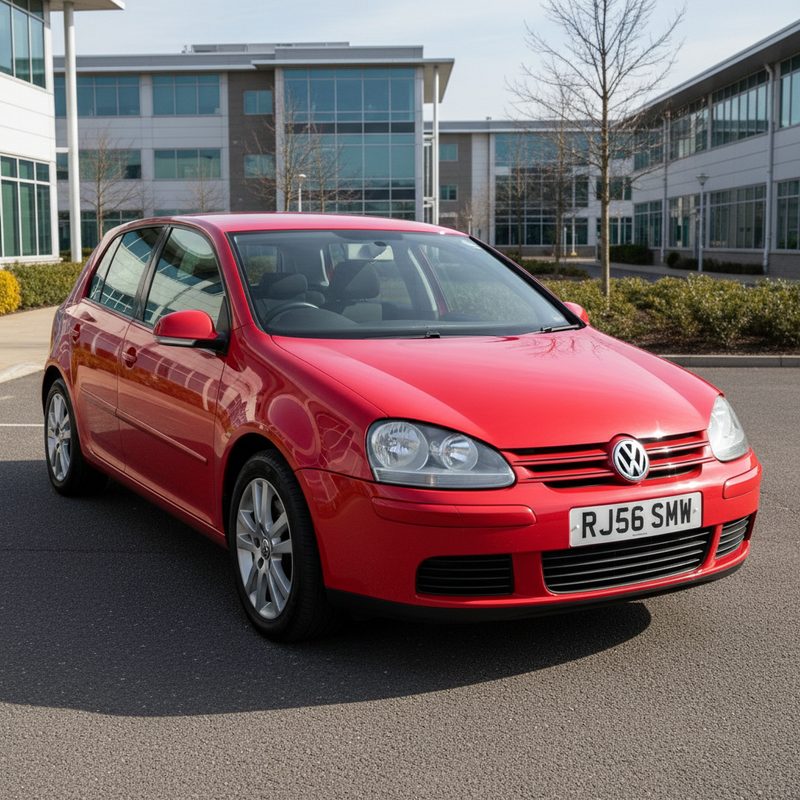
Best Year to Buy a Used VW Golf for Value
This guide explores the best year to buy a used VW Golf, focusing on depreciation trends, value retention, and practical tips for buyers.
Understanding the VW Golf's Depreciation Curve
The VW Golf has long been a staple in the UK automotive market, known for its blend of practicality, performance, and reliability. However, like all cars, it experiences depreciation, which can significantly impact its resale value. Understanding the depreciation curve is crucial for any savvy buyer looking to get the best value for their money.
Typically, a new car loses about 20% of its value in the first year and around 15% each subsequent year. For the VW Golf, this trend holds true, but with some nuances. For instance, a brand-new VW Golf priced at around £25,000 might be worth approximately £20,000 after just one year. Fast forward to three years later, and that same car could be valued at about £14,000, reflecting a total depreciation of around 44%.
Interestingly, the VW Golf tends to hold its value better than many competitors in the same segment. This is due to its strong brand reputation and consistent demand in the used car market. For example, while a Ford Focus might depreciate at a slightly steeper rate, the Golf's enduring popularity helps it maintain a more stable resale value.
If you are weighing up alternatives, our guide to SUV vs Hatchback Depreciation covers similar ground from a different angle.
The Sweet Spot Age: Best Year to Buy for Value
When considering the best year to buy a used VW Golf, it’s essential to identify the sweet spot in its lifecycle. Generally, the ideal age for purchasing a used Golf is between three to five years old. At this stage, the car has already gone through the steepest part of its depreciation curve, making it a more financially sound investment.
For instance, a 2018 VW Golf might typically retail for around £16,000, while a 2020 model could be priced at £20,000. The three-year-old model offers significant savings without sacrificing much in terms of technology or performance. Moreover, cars in this age bracket often come with the remainder of the manufacturer’s warranty, providing peace of mind for buyers.
For more on this topic, take a look at our Best 5-Year-Old Cars to Buy for Value UK 2025 guide.
Additionally, the 2019 model year stands out due to the introduction of updated tech features, including improved infotainment systems and advanced safety options. This means that a 2019 VW Golf could be an excellent choice if you want modern features without the new car price tag. You can read more about the specific features of the 2019 VW Golf GTI in our detailed guide on whether it’s worth the premium here.
Which Variants and Specs Hold Value Best?
Not all VW Golf variants depreciate at the same rate. Generally, higher-spec models, such as the GTI or the R, tend to hold their value better than the base models. This is primarily due to their enhanced performance and features, which appeal to a wider audience. For example, a used VW Golf GTI from 2017 might still fetch around £22,000, while a standard Golf from the same year could be valued at just £14,000.
You might also find our Hyundai i30 Depreciation guide useful alongside this one.
Another factor to consider is the engine type. Diesel variants, particularly the 1.6 TDI, have historically been popular due to their fuel efficiency. However, with the increasing focus on emissions and the potential for future restrictions on diesel vehicles, petrol models are becoming more desirable. This shift means that petrol variants, especially those with lower emissions, might retain their value better in the long run.
It’s also worth noting that colour and optional extras can influence resale value. Neutral colours like black, grey, and white tend to be more popular, while vibrant colours may appeal to a niche market but could be harder to sell later on. Features such as upgraded infotainment systems, alloy wheels, and advanced safety packages can also enhance a car's desirability and, consequently, its resale value.
We have covered related ground in our BMW X5 Depreciation guide, which is worth reading if this subject interests you.
Factors Affecting the VW Golf's Resale Value
Several factors can influence the resale value of a VW Golf, and being aware of these can help you make a more informed purchase.
- Mileage: Lower mileage generally equates to a higher resale value. A Golf with under 30,000 miles will typically command a better price than one with over 60,000 miles.
You can check the exact safety score for any model on the Euro NCAP website.
-
Service History: A full service history is crucial. Cars that have been well-maintained and serviced regularly are more attractive to buyers. Always check the MOT history to ensure there are no red flags.
-
Condition: The overall condition of the vehicle, including both mechanical and aesthetic aspects, plays a significant role. A well-kept car with minimal wear and tear will always be worth more than one that shows signs of neglect.
If things go wrong after purchase, Citizens Advice can help you understand your legal rights.
-
Market Demand: The demand for specific models can fluctuate based on trends, fuel prices, and economic factors. For instance, during times of economic uncertainty, buyers may lean towards more economical vehicles, which can affect the resale value of larger or more luxurious models.
-
Insurance Groups: The VW Golf falls into various insurance groups depending on the model and specification. Lower insurance groups typically mean lower premiums, making those models more appealing to buyers. You can check the insurance group for any specific model on Thatcham's website.
How to Minimise Depreciation When You Buy
While depreciation is inevitable, there are strategies you can employ to minimise its impact on your investment. Here are some practical tips:
-
Buy at the Right Time: Timing your purchase can significantly affect the price you pay. The best time to buy is typically at the end of the month or during seasonal sales when dealers are keen to meet targets. Additionally, buying just before the new registration plates are released can lead to better deals on used cars.
-
Choose the Right Model: As discussed, opting for higher-spec models or those with desirable features can help retain value. Always consider the long-term appeal of the model you choose.
-
Keep It in Good Condition: Regular maintenance and care can prevent depreciation. Keeping the car clean, servicing it on time, and addressing any issues promptly will help maintain its value.
-
Limit Modifications: While personalising your car can be tempting, extensive modifications can deter potential buyers. Stick to subtle enhancements that won't alienate the broader market.
-
Consider Mileage: If possible, limit your mileage. Cars with lower mileage are generally more appealing to buyers and will fetch a higher resale price.
Timing Your Purchase: Dave's Recommendation
In my experience, the best time to buy a used VW Golf is during the late summer months. This is when dealers are looking to clear out their stock before the new models arrive. You might find excellent deals on three to five-year-old models, especially if you’re flexible with your specifications.
Another good time to consider is just after the new registration plates are released in March and September. Many buyers rush to get the latest models, which can lead to a surplus of used cars on the market, driving prices down. Keep an eye on platforms like AutoTrader to spot trends and find the best deals.
In conclusion, the VW Golf remains a fantastic choice for anyone looking to buy a used car in the UK. By understanding its depreciation curve, identifying the best model years, and employing strategies to minimise depreciation, you can make a smart investment. Always check the value of any VW Golf you’re considering with my free report to ensure you’re getting the best deal possible. Happy car hunting!