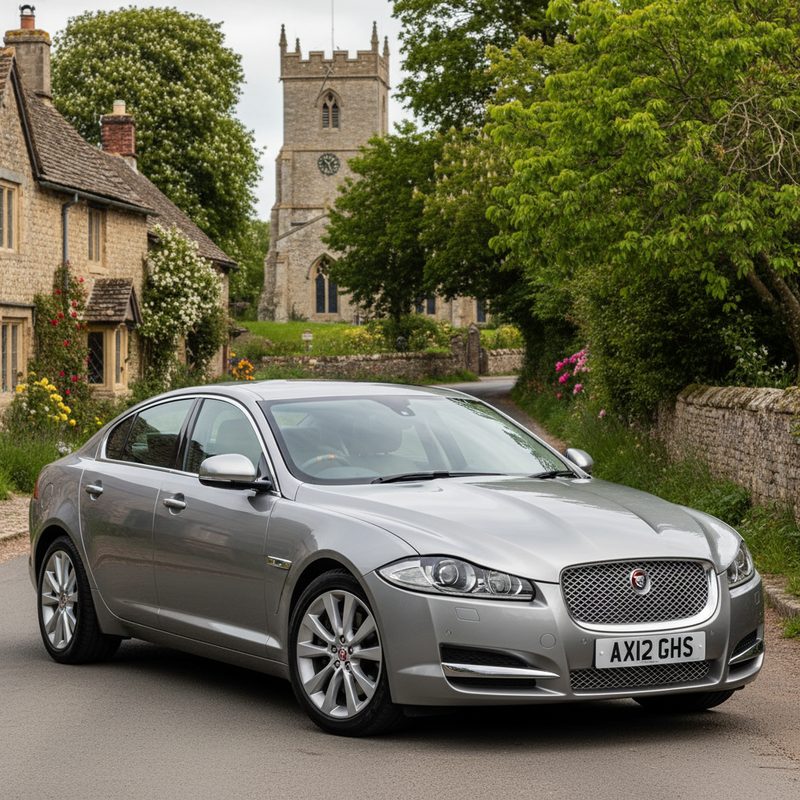
Jaguar XF
2012–2013
The Jaguar XF (2012-2013) has a high MOT failure rate, particularly for corrosion issues.
The Jaguar XF (2012-2013) presents significant concerns for potential buyers, particularly in the 'Worst for Corrosion' category. With an overall MOT failure rate of 18.9% based on 5,473 tests, this model shows a worrying trend in reliability, especially as it ages.
The data highlights that corrosion-related failures contribute to this high rate, with critical defect categories including tyres and brakes, which are often exacerbated by rust and deterioration. Specifically, the failure rates for tyres are alarmingly high, with 61.84% of tests failing due to this issue, indicating a potential link to corrosion affecting the vehicle's structural integrity.
Mileage also plays a significant role in failure rates, with vehicles exceeding 120,000 miles exhibiting a 27.3% failure rate, compared to just 12.7% for those under 40,000 miles. This suggests that as the Jaguar XF ages, the likelihood of encountering corrosion-related problems increases substantially, making it a less reliable choice for long-term ownership.
In summary, the combination of a high overall failure rate, significant issues related to tyres and brakes, and increased risk of failure with higher mileage makes the Jaguar XF (2012-2013) a model to avoid for buyers concerned about corrosion and overall reliability.
Useful links
Common Problems
| Problem | Severity | Typical Cost |
|---|---|---|
| Tyres issues | High | £50-£300 |
| Tyres issues | High | £50-£300 |
| Tyres issues | High | £50-£300 |
Data Source
DVSA MOT bulk data — 5473 tests analyzed

Thinking about this car?
Even problematic models can be good buys if the specific car has been well maintained. Check the MOT history to know for sure.
Check a Jaguar XFFrequently Asked Questions
Quick Stats
- Risk Level
- Low
- Year Range
- 2012–2013
- Typical Repair Cost
- £150 – £900
- Affected Areas
- Tyres Tyres Tyres Tyres Brakes