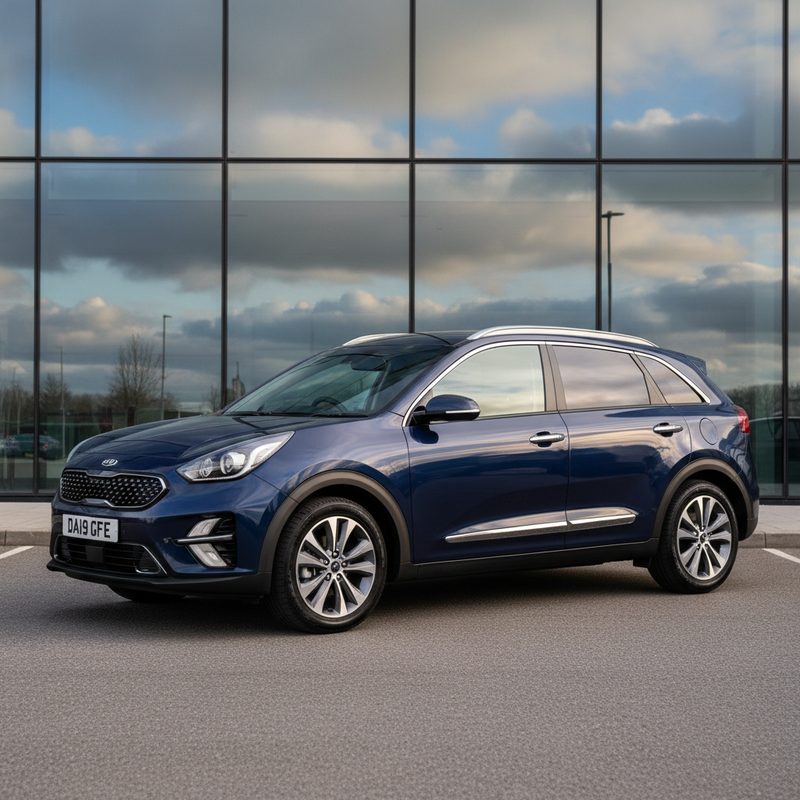
Kia e-Niro Running Costs: Electric SUV Ownership UK
Discover the comprehensive running costs of owning a Kia e-Niro in the UK, from insurance to servicing and everything in between.
Understanding the Kia e-Niro
The Kia e-Niro has established itself as a popular choice among electric SUVs in the UK. Combining practicality with an impressive electric range, it appeals to a wide audience, from families to eco-conscious drivers. With its spacious interior, advanced technology, and competitive pricing, the e-Niro is not just an electric vehicle (EV) but a versatile option for everyday use. However, potential buyers often wonder about the running costs associated with owning this electric SUV. Understanding these costs is crucial for making an informed decision.
In this guide, we will break down the total annual cost estimate for a typical UK driver covering 10,000 miles a year, delve into insurance costs, fuel expenses, servicing requirements, common repair costs, and how the e-Niro stacks up against its rivals. We will also provide actionable tips to help you save money on running costs.
Total Annual Cost Estimate Breakdown
To gauge the total annual running costs of the Kia e-Niro, we need to consider several factors, including insurance, charging costs, servicing, and maintenance. For a typical UK driver covering approximately 10,000 miles per year, here’s a detailed breakdown:
Insurance Costs
Insurance for the Kia e-Niro typically falls into a moderate group, often around Group 24 according to Thatcham’s insurance group ratings. This means that the average annual insurance premium for a driver aged 30-40 is approximately £600-£800. However, younger drivers or those with less driving experience may see premiums rise significantly, potentially reaching £1,200 or more. To mitigate these costs, consider increasing your voluntary excess, maintaining a clean driving record, and exploring multi-car policies if applicable.
Charging Costs
Charging an electric vehicle is one of the most significant factors in running costs. The Kia e-Niro has a battery capacity of 64 kWh, and the real-world range is around 250 miles on a full charge. Assuming an average consumption of 4.0 miles per kWh, a full charge costs approximately £8-£10 at home, depending on your electricity tariff. For a driver covering 10,000 miles annually, you would need around 2,500 kWh of electricity, translating to an annual charging cost of about £500-£625. This estimate can vary based on your charging habits and whether you use public charging stations, which may incur additional fees.
Servicing Costs
Servicing costs for the e-Niro are generally lower than those for traditional petrol or diesel vehicles. The Kia e-Niro requires a minor service every 12 months or 10,000 miles, which typically costs around £150-£200 at a main dealer. A major service, which includes a more thorough inspection and replacement of key components, is recommended every 24 months or 20,000 miles, costing approximately £300-£400. Independent garages may offer slightly lower rates, making it worthwhile to shop around. Additionally, many EVs, including the e-Niro, have fewer moving parts, which can lead to lower maintenance costs over time.
Common Repair Costs
While electric vehicles are generally more reliable, certain repairs can still arise. Here are some common repair costs associated with the Kia e-Niro:
- Brakes: Brake pads and discs may need replacement every 30,000-40,000 miles, costing around £300-£500.
- Tyres: A full set of tyres can range from £300-£600, depending on brand and specifications. Expect to replace them every 25,000-35,000 miles.
- Suspension: Repairs to suspension components can be costly, averaging £400-£800, depending on the extent of the work.
- Clutch: Although electric vehicles typically have less wear on clutches, if needed, replacement can cost around £600-£1,000.
- Battery Replacement: While the battery is designed to last for many years, replacement can be a significant expense, ranging from £4,000-£8,000, depending on the warranty and age of the vehicle.
Wear Items and Consumables
Regular maintenance will inevitably involve replacing certain wear items and consumables. For the e-Niro, these include:
- Wiper Blades: Expect to replace these every 12 months at a cost of around £20-£40.
- Cabin Filter: This should be changed every 20,000 miles, costing about £30.
- Brake Fluid: Recommended replacement every two years, costing around £50.
- Tyres: As mentioned, these will need replacing every few years, depending on driving style and conditions.
Overall, budgeting around £500-£700 annually for wear items and consumables is a reasonable estimate.
How Costs Compare to Rivals
When considering the Kia e-Niro, it’s essential to compare its running costs with similar electric SUVs. The following table highlights how the e-Niro stacks up against its competitors:
| Model | Annual Insurance | Charging Costs | Servicing Costs | Total Annual Costs |
|---|---|---|---|---|
| Kia e-Niro | £600-£800 | £500-£625 | £150-£400 | £1,250-£1,825 |
| Nissan Leaf | £550-£750 | £450-£600 | £150-£350 | £1,150-£1,700 |
| Hyundai Kona EV | £600-£800 | £500-£625 | £150-£400 | £1,250-£1,825 |
| VW ID.4 | £650-£850 | £500-£625 | £150-£400 | £1,350-£1,875 |
As illustrated, the Kia e-Niro offers competitive running costs, particularly when compared to the Nissan Leaf and Hyundai Kona EV. However, the VW ID.4 tends to be slightly more expensive across the board, making the e-Niro an attractive option for budget-conscious buyers.
Dave's Money-Saving Tips
Owning a Kia e-Niro can be cost-effective, but there are always ways to save even more. Here are some actionable tips:
-
Utilise Home Charging: If possible, install a home charging point. This can significantly reduce your charging costs compared to using public chargers, especially those that charge a premium.
-
Take Advantage of Off-Peak Rates: Many energy providers offer cheaper rates during off-peak hours. Charging your e-Niro overnight can lead to substantial savings on your electricity bill.
-
Regular Maintenance: Keep up with regular servicing to prevent costly repairs down the line. A well-maintained vehicle is less likely to encounter significant issues.
-
Drive Efficiently: Adopting a smooth driving style can enhance your vehicle's efficiency, extending your range and reducing the frequency of charges.
-
Check for Grants and Incentives: The UK government often provides grants for electric vehicles, which can help offset the initial purchase price. Additionally, some local councils offer incentives for EV owners, such as free parking or reduced road tax.
-
Monitor Your Battery Health: Regularly check your battery’s health and performance. Keeping it in optimal condition can prolong its lifespan and reduce the likelihood of expensive replacements.
Conclusion
The Kia e-Niro presents a compelling case for anyone considering an electric SUV in the UK. With its reasonable running costs, impressive range, and practicality, it stands out in a crowded market. By understanding the various factors that contribute to ownership costs, potential buyers can make informed decisions that align with their financial goals.
Whether you’re a first-time EV owner or looking to switch from a petrol or diesel vehicle, the e-Niro offers a balance of affordability and functionality. To ensure you make the best choice, consider checking any Kia e-Niro with Dave's free vehicle intelligence report, which provides detailed insights into the vehicle's history and condition. This can be invaluable in ensuring you’re making a sound investment.
For further reading on running costs of other vehicles, consider exploring the Ford Fiesta Annual Running Costs UK: Full Breakdown or the VW Golf Annual Running Costs UK: Complete Guide. Understanding the financial implications of your vehicle choice is crucial, and with the right information, you can drive away with confidence.