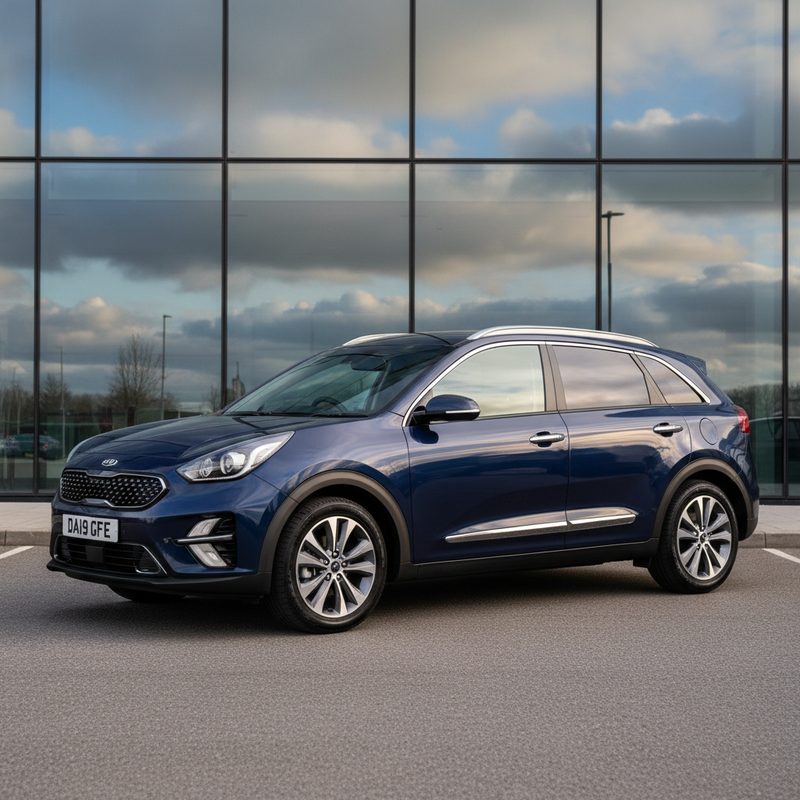
Kia e-Niro Battery Degradation: What to Expect After 4 Years
Explore the effects of battery degradation on the Kia e-Niro after four years, including health checks, range expectations, and running costs.
Understanding Battery Degradation in the Kia e-Niro
When it comes to electric vehicles (EVs), battery health is the beating heart of the machine. The Kia e-Niro, a popular choice among UK drivers, is no exception. After four years on the road, you might be wondering just how much battery degradation you can expect. Spoiler alert: it’s not as scary as it sounds, but there are some key factors to consider.
Battery degradation refers to the gradual loss of battery capacity over time. In simpler terms, it’s like your phone battery losing its ability to hold a charge after a few years. For the Kia e-Niro, which boasts a 64 kWh battery, this degradation can impact your driving range and overall performance. But fear not! With proper care and a bit of knowledge, you can keep your e-Niro running smoothly for years to come.
What to Check for Battery Health
When evaluating the battery health of a four-year-old Kia e-Niro, there are several aspects you should keep an eye on. First and foremost, you’ll want to check the state of charge (SoC) and state of health (SoH) of the battery. The SoC indicates how much charge the battery currently holds, while the SoH reflects its overall condition compared to when it was new.
A healthy e-Niro should ideally retain around 70-80% of its original battery capacity after four years. This means that if you started with a full 64 kWh, you might expect to see around 45-51 kWh of usable capacity left. To check this, you can use an OBD-II scanner or take advantage of Kia’s diagnostic tools at a dealership. If you’re not keen on getting your hands dirty, consider Dave's free EV health report, which can provide a comprehensive overview of the battery’s condition.
Another important factor is the battery management system (BMS). This clever bit of tech helps to monitor and manage the battery’s performance, ensuring it doesn’t overheat or discharge too quickly. If you notice any warning lights or unusual behaviour, it’s worth getting the BMS checked out.
Real-World Range vs Manufacturer Claims
When you first bought your Kia e-Niro, the manufacturer likely boasted an impressive range of up to 282 miles on a full charge. However, as with all things in life, reality can be a bit different. After four years, you might find that your e-Niro’s real-world range has dipped significantly due to battery degradation and other factors.
In practical terms, you might expect to see your range drop to around 200-230 miles, depending on driving conditions, temperature, and driving style. Cold weather can be particularly harsh on EV batteries, reducing range by as much as 20-30%. If you’re the type who loves to crank the heating up in the winter, you might find your range takes a hit.
To get the most out of your e-Niro’s battery, consider adopting some energy-saving driving habits. Smooth acceleration, maintaining a steady speed, and using regenerative braking can all help extend your range. Additionally, keeping your tyres properly inflated and reducing excess weight in the vehicle can also make a noticeable difference.
Charging Costs and Infrastructure
Charging your Kia e-Niro is another important aspect to consider, especially when it comes to costs. The average cost of electricity in the UK is around 34 pence per kWh, meaning a full charge from 0 to 100% would set you back approximately £21.76. However, most drivers don’t let their battery run completely flat, so let’s say you’re charging from 20% to 80%. This would cost you around £10.88 for about 51 kWh of usable energy.
Now, let’s talk about charging infrastructure. The good news is that the UK has been ramping up its charging points, with over 30,000 public charging connectors available. You’ll find a mix of rapid chargers, which can charge your e-Niro to 80% in about 54 minutes, and slower chargers that take a few hours. If you’re charging at home, a standard 7 kW wall box will typically take around 8-9 hours for a full charge.
If you’re planning on using public charging stations, it’s worth downloading apps like Zap-Map or PlugShare to find the nearest charging points and check their availability. Some charging networks even offer subscription plans that can help you save money over time. Just remember, not all charging stations are created equal, so keep an eye out for those with higher kW ratings for quicker top-ups.
Common Problems Specific to the Kia e-Niro
While the Kia e-Niro is generally a reliable vehicle, there are a few common issues that owners have reported, particularly as the car ages. One of the most notable problems is related to the battery cooling system. The e-Niro uses a liquid cooling system to maintain optimal battery temperature, but if this system fails, it can lead to overheating and subsequent battery degradation.
Another issue that has cropped up is related to the charging port. Some owners have reported difficulties with the charging port not making a proper connection, leading to slow or failed charging sessions. If you experience this, it’s worth checking the port for any debris or damage.
Finally, keep an eye on software updates. Kia regularly releases updates to improve battery management and overall vehicle performance. If you’re not receiving notifications about updates, it’s a good idea to check in with your local dealer to ensure your e-Niro is up to date.
Running Cost Savings vs Petrol/Diesel
One of the biggest draws of owning an electric vehicle like the Kia e-Niro is the potential for significant running cost savings compared to petrol or diesel vehicles. Let’s break it down.
Assuming an average petrol car achieves around 40 mpg, and petrol costs roughly £1.50 per litre, you’d be spending around £9.00 to travel 100 miles. In contrast, with your e-Niro costing approximately £10.88 to charge from 20% to 80%, you could cover around 200 miles for just £10.88. That’s a savings of nearly £8.00 for every 100 miles travelled!
Additionally, EVs benefit from lower maintenance costs. There are fewer moving parts in an electric motor compared to a petrol engine, meaning you’ll spend less on services, oil changes, and other routine maintenance. Plus, many local councils offer incentives for EV owners, such as free parking or reduced congestion charges, which can further enhance your savings.
Dave's Verdict: Is It Worth Going Electric?
So, after four years of ownership, is the Kia e-Niro still worth it? Absolutely! While battery degradation is a reality, the e-Niro remains a solid choice for those looking to make the switch to electric. With proper care, you can expect to enjoy a reliable vehicle that offers significant savings on running costs.
If you’re considering buying a used e-Niro, make sure to check the battery health. A quick visit to your local Kia dealer or using Dave's free EV health report can provide you with the peace of mind you need. Remember, knowledge is power, and understanding the battery’s condition will help you make an informed decision.
In conclusion, the Kia e-Niro is a fantastic option for anyone looking to embrace electric driving. With its impressive range, low running costs, and overall reliability, it’s a vehicle that can serve you well for years to come. Just keep an eye on that battery health, and you’ll be cruising along with a smile on your face and a little extra cash in your pocket. Cheers to that!