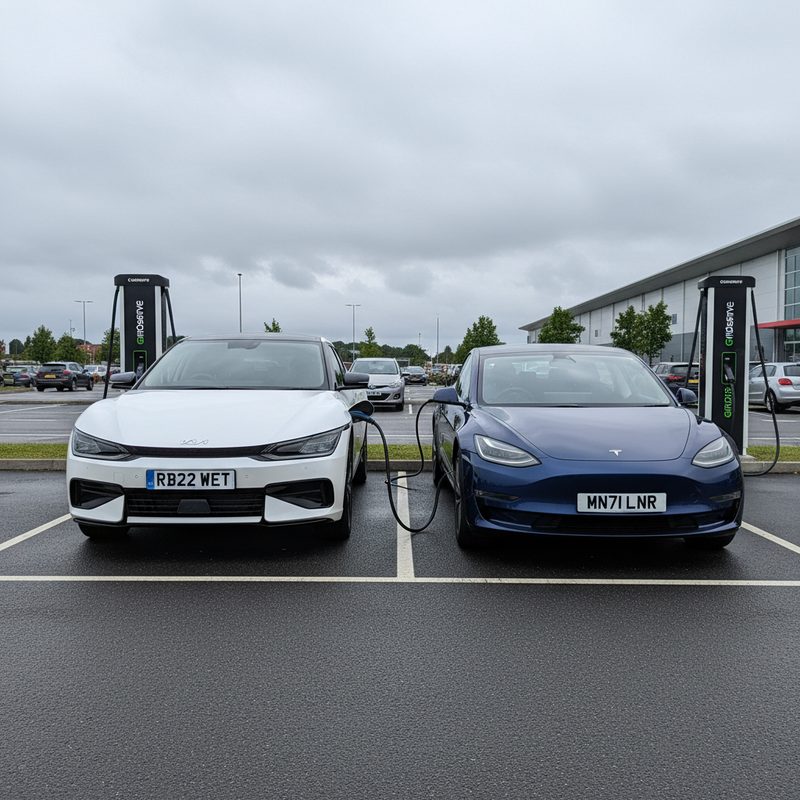
Best Electric Cars for New Drivers UK 2025
Discover the top electric cars for new drivers in the UK, including practical advice on battery health, charging, and running costs.
Introduction
Electric vehicles (EVs) are rapidly becoming the go-to choice for new drivers in the UK. With their eco-friendly credentials, lower running costs, and the convenience of home charging, it’s no wonder many first-time car buyers are considering going electric. This guide will help you navigate the best electric cars for new drivers, focusing on key aspects such as battery health, charging infrastructure, and real-world performance.
Why Choose an Electric Car?
For new drivers, the benefits of electric cars are numerous. Firstly, they tend to be easier to drive than traditional petrol or diesel vehicles, thanks to their automatic transmissions and instant torque. This can make them particularly appealing for those who are still getting used to the road. Additionally, EVs often come with lower insurance premiums, which is a significant consideration for new drivers. According to Thatcham, many electric models fall into lower insurance groups, making them more affordable.
Moreover, the UK government has been promoting electric vehicle adoption through various incentives, including grants for new EV purchases and exemptions from road tax for certain models. With the increasing availability of charging points across the country, the practicalities of owning an electric car are becoming more manageable.
Battery Health — What to Check and Expect
Battery health is a crucial factor when considering an electric vehicle, especially for new drivers who may not be familiar with how EV batteries function. Most electric cars use lithium-ion batteries, which can degrade over time. When buying a used electric car, it’s essential to check the battery's state of health (SoH). Generally, a battery with a SoH of 80% or higher is considered acceptable, while anything below that could lead to reduced range and performance.
If you are weighing up alternatives, our guide to EV Charging Speed Explained covers similar ground from a different angle.
For instance, the BMW i3 is a popular choice among new drivers. When looking at a used BMW i3, it’s wise to check its battery health. You can do this through a detailed vehicle history report, which often includes battery health metrics. Additionally, consider asking the seller for any service records related to battery maintenance.
Another useful tip is to look for warranties that cover the battery. Many manufacturers offer warranties that last for eight years or 100,000 miles, which can provide peace of mind for new drivers.
Real-World Range vs Manufacturer Claims
One of the most significant concerns for new drivers considering an electric vehicle is range anxiety. While manufacturers often advertise impressive range figures, real-world performance can vary significantly based on driving conditions, weather, and driving style. For example, the Renault Zoe is marketed with a range of up to 245 miles on a full charge, but in real-world conditions, you might expect closer to 200 miles, especially in colder weather.
For more on this topic, take a look at our ULEZ Compliant Used Cars guide.
Understanding how to interpret these figures is vital. When evaluating an electric car, consider your typical driving patterns. If you mainly drive short distances around town, even a vehicle with a range of 150 miles could suffice. However, if you plan to take longer journeys, you might want to opt for a model with a more substantial range.
It's also worth noting that many EVs come with regenerative braking systems, which can help extend range by converting some energy back into the battery during braking. This feature can be particularly beneficial for new drivers who may be more prone to frequent braking.
Charging Costs and Infrastructure
Charging costs are another critical consideration for new drivers. The cost of charging an electric vehicle can vary significantly depending on where and how you charge. Home charging is generally the most economical option, especially if you have a dedicated home charger installed. On average, charging at home can cost around £5-£10 for a full charge, depending on your electricity tariff.
You might also find our Audi e-tron Used Buying Guide guide useful alongside this one.
Public charging, however, can be more expensive. Rapid chargers at service stations can charge your vehicle to 80% in around 30 minutes but may cost more per kWh than home charging. It’s essential to factor in these costs when budgeting for an electric vehicle. The GOV.UK road tax checker can help you understand any additional costs associated with EV ownership.
For new drivers, it’s also crucial to consider the availability of charging infrastructure in your area. Apps like Zap-Map can help you locate charging points nearby, and many EVs come with built-in navigation systems that can direct you to the nearest charger. As a new driver, being aware of your charging options can alleviate range anxiety and make your driving experience more enjoyable.
Common Problems Specific to EVs/Hybrids
While electric vehicles are generally reliable, they are not without their issues. New drivers should be aware of common problems that can arise with EVs and hybrids. For example, battery degradation is a significant concern, particularly in older models. As mentioned earlier, checking the state of health of the battery is crucial.
We have covered related ground in our Toyota Corolla Hybrid Running Costs guide, which is worth reading if this subject interests you.
Another issue to consider is the electric motor and its components. While these are typically robust, they can experience problems if not maintained correctly. Regular servicing is essential to keep everything running smoothly. For instance, the BMW i3 has been known to have issues with its electric motor if it has not been properly maintained. Checking the service history can provide insights into how well the previous owner took care of the vehicle.
Additionally, software updates are becoming increasingly important in the EV landscape. Many manufacturers release updates that can improve performance and fix bugs. New drivers should ensure that their vehicle's software is up to date, as this can enhance the driving experience and address any potential issues.
Running Cost Savings vs Petrol/Diesel
One of the most compelling reasons to switch to an electric vehicle is the potential for savings on running costs compared to petrol or diesel vehicles. Electric cars typically have lower fuel costs, as electricity is generally cheaper than petrol or diesel per mile. For example, the cost of charging an electric vehicle can be as low as 2p per mile, while petrol can average around 12-15p per mile.
You can check any car's full MOT history for free on GOV.UK before arranging a viewing.
Insurance costs are also often lower for electric vehicles. As mentioned earlier, many EVs fall into lower insurance groups, which can lead to significant savings for new drivers. Additionally, electric vehicles are exempt from road tax in many cases, further reducing ownership costs.
Maintenance costs are usually lower as well. Electric cars have fewer moving parts than traditional vehicles, which means less wear and tear and fewer repairs. For instance, the BMW i3 has been praised for its low maintenance costs, making it an excellent choice for new drivers looking to save money.
When considering the total cost of ownership, it’s essential to factor in these savings. While the initial purchase price of an electric vehicle may be higher than a petrol or diesel equivalent, the long-term savings can make it a more economical choice.
Dave's Verdict — Is It Worth Going Electric?
In my opinion, going electric is definitely worth considering for new drivers. The benefits of lower running costs, ease of driving, and environmental impact make electric vehicles an attractive option. However, it’s crucial to do your homework. Understanding battery health, real-world range, and charging infrastructure can make a significant difference in your ownership experience.
If you’re a new driver, I recommend starting with models like the Renault Zoe or the BMW i3. Both offer a good balance of range, affordability, and practicality. The Zoe is particularly well-suited for urban driving, while the i3 provides a unique design and a premium feel. Regardless of your choice, make sure to check any electric car with my free vehicle intelligence report to ensure you’re making a smart investment.
In conclusion, electric cars present an exciting opportunity for new drivers in the UK. With the right knowledge and preparation, you can enjoy the benefits of electric driving while contributing to a more sustainable future. Take the plunge, and you might find that going electric is one of the best decisions you ever make.
Conclusion
Electric vehicles are no longer a niche market; they are becoming mainstream, especially for new drivers. With their numerous benefits, including lower running costs, ease of use, and environmental advantages, they are worth considering. Just remember to do your research, check battery health, and understand the charging landscape. By doing so, you’ll be well on your way to enjoying the many perks of electric driving in the UK.
Check any electric car with Dave's free vehicle intelligence report
Get Dave's free AI-powered vehicle check before you make a decision.