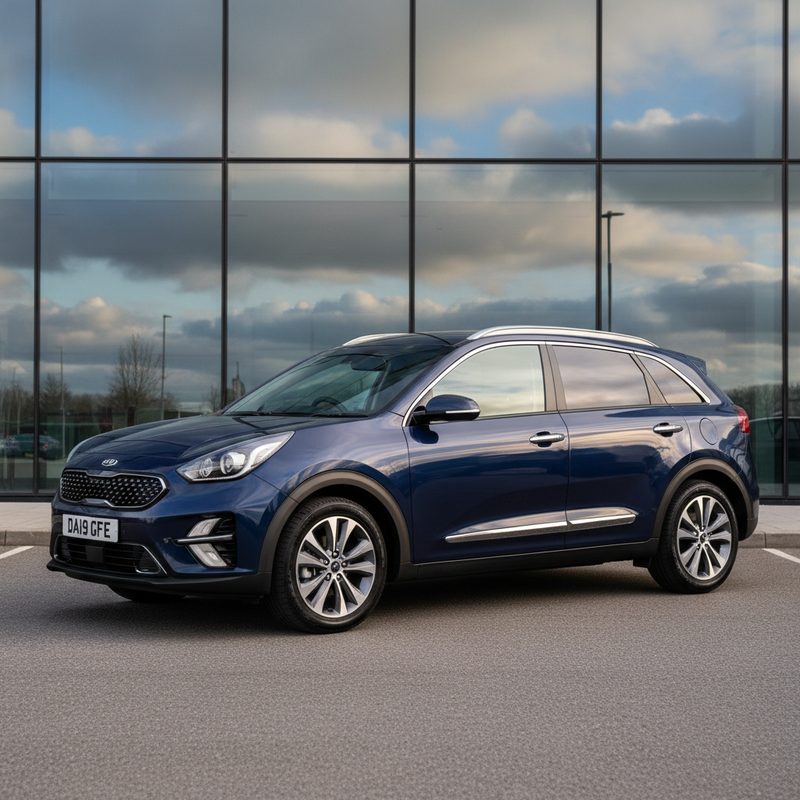
Kia e-Niro vs Nissan Leaf: Which Is the Better Used EV
This guide compares the Kia e-Niro and Nissan Leaf, focusing on battery health, range, costs, and more to help you make an informed decision on your next used EV.
Introduction
Choosing between the Kia e-Niro and the Nissan Leaf can feel overwhelming, especially with the growing popularity of electric vehicles (EVs) in the UK. Both models have their strengths and weaknesses, and understanding these can help you make an informed decision. In this guide, we’ll delve into critical aspects such as battery health, real-world range, charging costs, common issues, and running cost savings. By the end, you’ll have a clearer picture of which vehicle is the better choice for you.
Battery Health: What to Check and Expect
When considering a used EV, battery health is paramount. The battery is the heart of any electric vehicle, and its condition can significantly impact performance and range.
Kia e-Niro Battery Health
The Kia e-Niro comes with a 64 kWh battery, which is known for its durability and longevity. When checking a used e-Niro, look for the state of health (SoH) of the battery, which should ideally be above 80%. You can often find this information through the car's onboard diagnostics or by asking the seller for a battery health report.
Nissan Leaf Battery Health
The Nissan Leaf, particularly the 40 kWh version, has been a popular choice among EV buyers. However, it’s essential to note that earlier models may have experienced battery degradation more quickly than the e-Niro. A Leaf with a SoH below 70% may struggle to meet your daily driving needs, so ensure you check this before purchasing.
Practical Tips
- Request a Battery Health Report: Many dealers can provide a report showing the battery's current state.
- Look for Warranty: Both Kia and Nissan offer warranties on their batteries, typically around 8 years or 100,000 miles. Ensure the vehicle you’re considering is still under warranty.
- Consider Battery Replacement Costs: If the battery is nearing the end of its life, replacement can be expensive. For the e-Niro, a new battery could cost around £5,000, while a Leaf battery replacement may be slightly less.
Real-World Range vs Manufacturer Claims
Range is a crucial factor for any EV buyer. While manufacturers often provide optimistic figures, real-world conditions can yield different results.
Kia e-Niro Range
The Kia e-Niro boasts an official range of up to 282 miles on a full charge. However, in real-world conditions, especially during colder months or with heavy use of heating, you might expect around 220-250 miles. This is still impressive and makes the e-Niro suitable for longer journeys.
Nissan Leaf Range
The Nissan Leaf’s official range varies by model; the 40 kWh version claims up to 168 miles, while the 62 kWh model can reach approximately 239 miles. In practice, you might find the 40 kWh version offers around 120-150 miles in colder weather, which could be limiting for some drivers.
Practical Tips
- Test Drive: Always take a test drive to see how the vehicle performs in real-world conditions.
- Consider Your Driving Needs: If you frequently drive long distances, the e-Niro’s superior range may be more beneficial.
- Check for Range Degradation: Ask the seller about any noticeable changes in range over time, as this can indicate battery health issues.
Charging Costs and Infrastructure
Charging costs and infrastructure are vital considerations when choosing an EV. Understanding how and where you can charge your vehicle can save you time and money.
Kia e-Niro Charging
The e-Niro supports rapid charging, allowing you to charge from 0% to 80% in about 54 minutes using a 100 kW charger. Home charging is also straightforward, with a full charge taking around 9 hours using a standard 7 kW home charger.
Charging costs vary, but on average, it costs about £7.50 to charge the e-Niro fully at home, translating to around 3p per mile. Public charging can be more expensive, so always check the rates at your local charging stations.
Nissan Leaf Charging
The Leaf also supports rapid charging, taking approximately 40-60 minutes to reach 80% with a 50 kW charger. Home charging times are similar, with a full charge taking around 8 hours on a standard home charger. Charging costs for the Leaf are comparable, with a full charge costing around £6-£8, depending on your electricity tariff.
Practical Tips
- Install a Home Charger: If you have off-road parking, consider installing a home charger for convenience and cost savings.
- Use Charging Apps: Apps like Zap-Map can help you locate nearby charging points and compare costs.
- Check Charging Networks: Ensure the vehicle is compatible with the charging networks available in your area, as this can affect your charging options.
Common Problems Specific to This EV/Hybrid
Every vehicle has its quirks, and understanding common issues can help you avoid potential pitfalls.
Kia e-Niro Common Problems
The e-Niro is generally well-regarded for its reliability. However, some owners have reported issues with the infotainment system and occasional software glitches. Additionally, ensure the vehicle has received regular software updates, as these can improve performance and address bugs.
Nissan Leaf Common Problems
The Leaf has faced criticism for battery degradation, especially in older models. Some users have reported that the battery capacity can drop significantly after a few years of use. Additionally, the Leaf’s regenerative braking system may require maintenance over time, so check for any warning lights on the dashboard.
Practical Tips
- Research Owner Reviews: Look for forums and owner reviews to gain insights into common issues.
- Get a Pre-Purchase Inspection: Consider having a trusted mechanic inspect the vehicle before buying, especially for older models.
- Check for Recalls: Ensure that any recalls have been addressed, particularly for the Leaf, which has had several recalls over the years.
Running Cost Savings vs Petrol/Diesel
One of the primary reasons for switching to an EV is the potential savings on running costs compared to petrol or diesel vehicles.
Kia e-Niro Running Costs
The e-Niro is known for its efficiency, averaging around 4.5 miles per kWh. This means that, based on an average electricity cost of 14p per kWh, you could expect to spend around £5.25 for a full charge, giving you approximately 250 miles of range.
Nissan Leaf Running Costs
The Leaf is slightly less efficient, averaging around 3.9 miles per kWh. This translates to a full charge costing around £6.50, providing a range of about 150 miles. While the Leaf is still cheaper to run than a petrol or diesel vehicle, the e-Niro offers better efficiency and range.
Practical Tips
- Calculate Your Savings: Use online calculators to estimate your savings based on your driving habits.
- Consider Insurance Costs: EV insurance can vary, so get quotes for both models to see which is more affordable.
- Look for Grants and Incentives: Check for any government grants or incentives for EV buyers, which can further reduce your overall costs.
Dave's Verdict: Is It Worth Going Electric?
Both the Kia e-Niro and Nissan Leaf offer compelling reasons to consider going electric. The e-Niro stands out with its superior range, battery health, and overall efficiency, making it a strong contender for those needing a reliable daily driver. On the other hand, the Leaf can be a more affordable option, especially for city driving, but be cautious of battery health and degradation.
Ultimately, your choice will depend on your specific needs and driving habits. If you’re leaning towards the e-Niro, I recommend checking any used model with my free EV health report. This report will give you peace of mind about the battery’s condition and help you make a more informed decision.
In conclusion, both vehicles have their merits, but the Kia e-Niro’s advantages in battery health, range, and efficiency make it the better choice for most buyers. Take your time, do your research, and you’ll be well on your way to enjoying the benefits of electric driving.