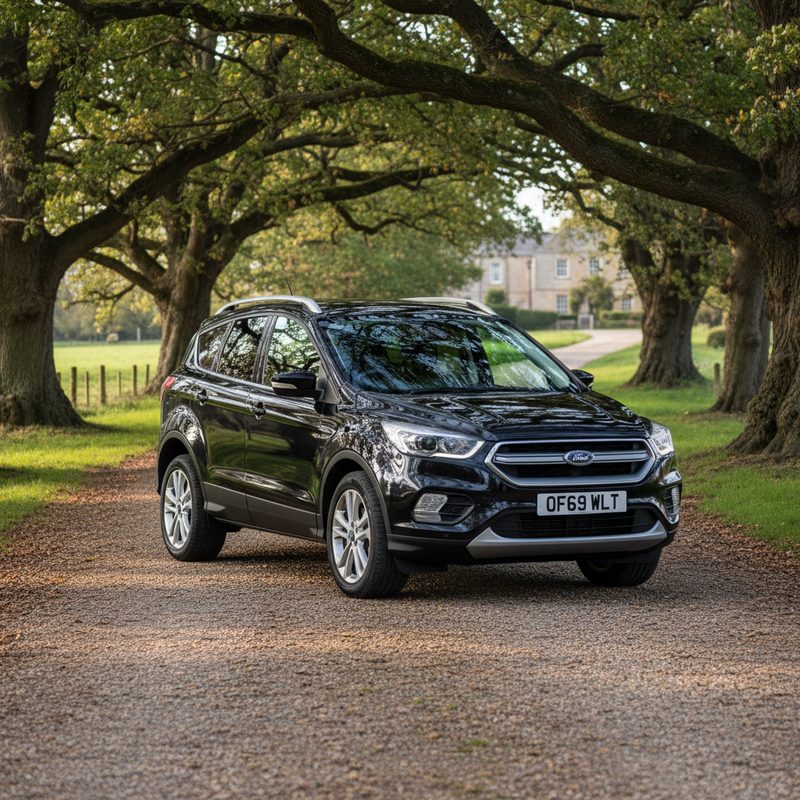
Negotiating the Price of a 2019 Ford Kuga
Learn how to effectively negotiate the price of a 2019 Ford Kuga with insider tips, real-world scenarios, and essential negotiation tactics.
Understanding the Fair Market Price for a 2019 Ford Kuga
When it comes to negotiating the price of a used car, knowledge is power. The first step in your negotiation journey is to understand the fair market price for a 2019 Ford Kuga. As of now, you can expect to see prices ranging from around £18,000 to £24,000, depending on the model variant, mileage, and overall condition of the vehicle.
The Kuga is a popular choice among UK drivers, known for its practicality, spacious interior, and decent fuel efficiency. To get a more precise idea of the price, check reputable car valuation websites like AutoTrader, Parkers, or What Car? These platforms provide a good benchmark based on current listings and sales data.
For example, if you find a Kuga with low mileage and a full service history, it might be priced at the higher end of the scale. Conversely, a model with higher mileage or lacking in service records may be more affordable. Always remember to factor in additional costs such as road tax, insurance, and potential maintenance when assessing your budget.
Moreover, consider the specific trim levels available for the 2019 Kuga, such as the Zetec, Titanium, or ST-Line. Each variant comes with different features and specifications, which can influence the price significantly. The Zetec is generally the entry-level model, while the ST-Line offers sportier aesthetics and features, often commanding a higher price.
Before heading to the dealership or contacting a private seller, compile a list of similar vehicles in your area to strengthen your bargaining position. Having this data at your fingertips will not only help you understand the market but also give you confidence during negotiations.
Specific Leverage Points for Buyers
Once you’ve established a fair market price, it’s time to think about the leverage points you can use during negotiations. Here are some specific strategies tailored for the 2019 Ford Kuga that can help you secure a better deal:
1. Vehicle History Report
A vehicle history report can be a game changer. Services like HPI Check or Experian can provide you with essential information about the car’s past, including any accidents, outstanding finance, or previous ownership details. If you discover any red flags, such as a write-off or a history of major repairs, you can use this information to negotiate a lower price.
2. MOT and Service History
A full service history is crucial for any used car, especially for a model like the Kuga. If the seller can’t provide a complete service record, it’s a solid point for negotiation. You can argue that the lack of documentation may indicate potential future issues, which justifies a lower offer. Additionally, if the car is due for an MOT soon, you can use this as leverage to negotiate a discount, as you’ll be responsible for any repairs needed to pass the test.
3. Market Comparison
As mentioned earlier, having a list of comparable vehicles can help you during negotiations. If you find similar Kugas listed for less, don’t hesitate to bring this up. Show the seller that you’re informed and serious about getting a fair deal.
4. Timing
Timing can play a significant role in negotiations. If you’re shopping during the winter months, when demand for SUVs may be lower, you might have more room to negotiate. Dealers are often more willing to cut prices to move stock during slower sales periods.
5. Condition of the Vehicle
When inspecting the Kuga, take note of any cosmetic or mechanical issues. Scratches, dents, or worn tyres can all be used as negotiation points. If you spot anything that needs fixing, use it to justify a lower offer.
Sample Negotiation Script
Now that you’ve armed yourself with knowledge and leverage points, let’s look at a sample negotiation script. This will give you an idea of how to approach the conversation with the seller or dealer.
Scenario: Negotiating with a Dealer
You: Hi there, I’m interested in the 2019 Ford Kuga you have listed for £22,000. I’ve done some research and found similar models priced around £20,500.
Dealer: I understand, but this Kuga has low mileage and a full service history, which justifies the price.
You: That’s true, but I noticed that it’s due for an MOT next month and the tyres are quite worn. I’ll need to factor in those costs, which could be around £500.
Dealer: I see your point. However, this model is quite popular, and we’ve had a lot of interest.
You: I appreciate that, but I’m also considering a couple of other Kugas that are in better condition and priced lower. If you can bring the price down to £21,000, I’d be happy to proceed today.
Dealer: Let me check with my manager.
Conclusion of the Script
In this example, you’ve effectively highlighted your research, pointed out the vehicle’s condition, and made a reasonable counter-offer. Remember, the key is to remain calm and confident throughout the negotiation process.
Knowing When to Walk Away
One of the most crucial skills in negotiation is knowing when to walk away. If the seller isn’t willing to budge on the price or if you feel uncomfortable with the deal, don’t hesitate to step back. Here are some signs that it might be time to walk away:
1. Unwillingness to Negotiate
If the seller is rigid and unwilling to discuss price adjustments, it may be a red flag. A good dealer will recognise the importance of negotiation and be open to reasonable offers.
2. Price is Above Market Value
If you’ve done your homework and the price is significantly above the fair market value, it’s a clear indication that you should consider other options.
3. Lack of Transparency
If the seller is evasive about the vehicle’s history or condition, it’s a sign that they may be hiding something. Trust your instincts; if something feels off, it probably is.
4. Pressure Tactics
If the seller is using high-pressure tactics to rush you into a decision, it’s a good idea to walk away. A reputable seller will allow you the time to make an informed choice.
5. Your Budget is Not Being Respected
If the seller is not willing to work within your budget, it’s time to move on. There are plenty of Kugas available, and you shouldn’t feel pressured to exceed your financial limits.
Common Dealer Tactics to Watch For
When negotiating, it’s essential to be aware of common dealer tactics that may be used to sway you. Here are a few to keep an eye on:
1. The Trade-In Trap
Dealers may offer you a higher trade-in value for your old car while simultaneously inflating the price of the Kuga. Always evaluate your trade-in separately to ensure you’re getting a fair deal on both transactions.
2. Monthly Payment Focus
Some dealers may try to steer the conversation towards monthly payments rather than the overall price. This tactic can obscure the true cost of the vehicle. Stick to discussing the total price to avoid confusion.
3. Limited Time Offers
Be cautious of claims that a deal is only available for a limited time. This tactic is designed to create a sense of urgency. Take your time to evaluate the offer and don’t rush into a decision.
4. Add-Ons and Extras
Dealers may try to upsell you on add-ons like extended warranties or paint protection. While some of these may be beneficial, assess whether they’re necessary for your situation.
5. Emotional Appeals
Dealers may try to appeal to your emotions by highlighting how much you’ll love the car or how perfect it is for your family. While it’s essential to consider your feelings about a vehicle, don’t let emotions cloud your judgment during negotiations.
Using MOT History as Negotiation Ammo
The MOT history of a vehicle can be a powerful tool in your negotiation arsenal. Here’s how to leverage it effectively:
1. Check the MOT History
Before making an offer, check the MOT history online. This will show you any past failures and the reasons behind them. If the Kuga has a history of failing its MOT, it’s a valid point for negotiation.
2. Recent Failures
If the car has had recent failures, you can argue that it may require additional repairs soon. Use this information to negotiate a lower price, as you’ll be taking on potential costs.
3. Advisory Notices
MOT history may also include advisory notices, which indicate areas that may need attention in the future. If you find any advisories, use them as leverage to negotiate a discount.
4. Mileage and Usage
The MOT history will also provide insights into the car’s mileage over the years. If the mileage seems unusually high for its age, it could indicate excessive wear and tear, giving you another point to negotiate from.
Conclusion
Negotiating the price of a 2019 Ford Kuga doesn’t have to be a daunting task. By arming yourself with knowledge about fair market prices, leveraging specific points, and being aware of common dealer tactics, you can confidently navigate the negotiation process. Remember to use the vehicle’s history, condition, and market comparisons to your advantage. And most importantly, don’t be afraid to walk away if the deal doesn’t meet your expectations. With these strategies in your toolkit, you’ll be well-equipped to secure a great deal on your next used car purchase. Happy negotiating!
Check 2019 Ford Kuga, instantly with Dave's free vehicle intelligence report.
Get a free vehicle check to find negotiation leverage on any Ford Kuga