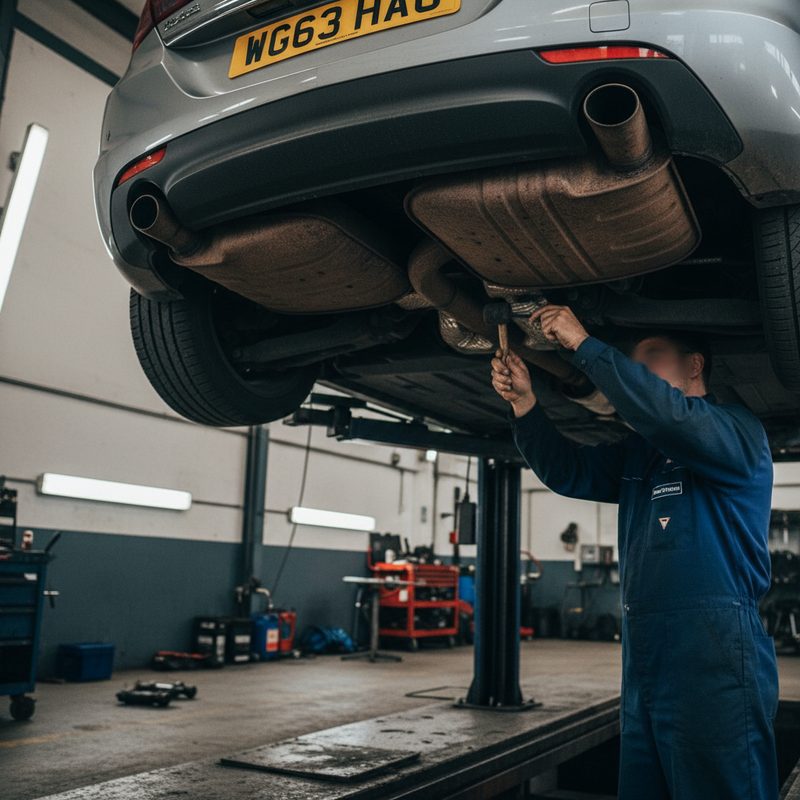
Particulate Filter Efficiency Below Threshold MOT Advisory: DPF Fix Cost
This guide explains what a Particulate Filter Efficiency Below Threshold MOT advisory means, its seriousness, repair costs, and how it affects your car's value.
Understanding the Particulate Filter Efficiency Below Threshold Advisory
Imagine you're sitting in your car, nervously tapping your fingers on the steering wheel after receiving your MOT results. You glance at the advisory notes and see the dreaded phrase: "Particulate Filter Efficiency Below Threshold." What does this mean? In plain English, it indicates that your vehicle's diesel particulate filter (DPF) isn't performing as it should. The DPF is crucial for trapping soot and other harmful emissions from diesel engines, ensuring they meet environmental standards. When the efficiency drops below a certain threshold, it raises a red flag during the MOT inspection.
This advisory is particularly common in diesel vehicles, especially those that are older or have been used primarily for short trips. The DPF works best when the engine is running at higher temperatures, which helps burn off the soot it collects. If your driving habits consist mainly of short journeys, the DPF may not reach the necessary temperatures, leading to a build-up of soot and a subsequent drop in efficiency.
Understanding this advisory is vital for any used car buyer or owner, as it can significantly impact the vehicle's performance and emissions. If you're unsure about the implications of this advisory, read on to get a clearer picture of what it means for your car and your wallet.
How Serious Is This Advisory?
The seriousness of a Particulate Filter Efficiency Below Threshold advisory can vary. On one hand, it might seem like a minor annoyance, especially if your car is still running smoothly. However, ignoring this advisory can lead to more severe issues down the line.
If you are weighing up alternatives, our guide to Gearbox Mounting Worn MOT Advisory covers similar ground from a different angle.
For instance, if the DPF continues to operate inefficiently, it could lead to a complete blockage. This blockage can cause the engine to go into limp mode, severely limiting your car's performance and making it unsafe to drive. In some cases, you may even face hefty repair bills if the DPF needs to be replaced entirely.
From a safety perspective, while this advisory is not as critical as, say, a brake failure or suspension issue, it should not be taken lightly. If the DPF is not functioning correctly, it can lead to increased emissions, which is not only bad for the environment but could also result in failing future MOTs. Moreover, if you're considering selling the car, this advisory could deter potential buyers or lower the car's value significantly.
Typical Repair Costs
Now, let's talk money. The cost of fixing a DPF issue can vary widely based on several factors, including the make and model of your car, the extent of the problem, and where you take it for repairs. Typically, you might be looking at a range of £200 to £1,500.
For more on this topic, take a look at our Handbrake Travel Excessive MOT Advisory guide.
For minor issues, such as a simple cleaning or regeneration of the DPF, you could spend around £200 to £400. This is often the case if the DPF is just clogged and needs a good clean. However, if the DPF has failed and needs replacing, you're looking at a much steeper price tag. Replacement DPFs can cost anywhere from £800 to £1,500, depending on the vehicle.
It's worth noting that some garages may offer a DPF cleaning service, which can be a cost-effective solution if the filter is not too badly clogged. However, if the DPF is damaged or has been running inefficiently for a long time, cleaning may not be enough, and replacement could be your only option.
Before committing to any repairs, it’s wise to get a few quotes from different garages. Websites like AutoTrader can help you find local mechanics and compare prices. Remember, the cheapest option isn't always the best; look for reviews and recommendations to ensure you're getting quality service.
You might also find our Coolant Leak Visible MOT Advisory guide useful alongside this one.
How Urgent Is It? Can You Wait or Fix Now?
When it comes to urgency, it really depends on your specific situation. If your car is still running well and you haven't noticed any performance issues, you might be tempted to put off repairs for a while. However, this could be a risky move.
If the DPF is only slightly below the efficiency threshold, you might have some time before it becomes a critical issue. However, if you notice symptoms like a loss of power, increased fuel consumption, or warning lights on the dashboard, it’s best to address the problem immediately. Ignoring these signs could lead to more extensive damage and higher repair costs.
If you’re using the car regularly for short trips, it’s advisable to schedule a repair sooner rather than later. Continuous short journeys can exacerbate the DPF issue, leading to a complete blockage and potentially leaving you stranded. If you’re planning a long journey, it might be worth getting the DPF checked before you hit the road, just to avoid any nasty surprises.
We have covered related ground in our CV Boot Split MOT Advisory guide, which is worth reading if this subject interests you.
What to Watch For If It Appears Repeatedly
If you’ve received this advisory more than once, it’s a clear sign that something is amiss. Repeated advisories can indicate a chronic issue with the DPF or the vehicle’s engine management system. In such cases, it’s essential to investigate further.
Common issues that could lead to repeated advisories include:
- Driving Habits: If you frequently make short trips, your DPF may not be getting the chance to regenerate properly. Consider taking your car for a longer drive occasionally to help clear the filter.
- Engine Problems: Issues with the engine, such as poor fuel quality or a malfunctioning fuel injector, can lead to incomplete combustion, resulting in excessive soot production.
- DPF Quality: If the DPF is not of good quality or is an aftermarket part, it may not perform as well as an original equipment manufacturer (OEM) part, leading to repeated failures.
If you notice this advisory cropping up consistently, it’s wise to consult a professional who can diagnose the underlying problem. Ignoring it could lead to more severe issues, including costly repairs or even needing to replace the entire exhaust system.
You can check the exact safety score for any model on the Euro NCAP website.
How This Affects the Car's Value and Your Negotiation Position
A Particulate Filter Efficiency Below Threshold advisory can have a significant impact on your car's value. If you're considering selling your vehicle, potential buyers will likely be wary of any advisories on the MOT report. This could lead to a lower offer than you might expect, especially if the buyer is concerned about the potential costs of repairs.
When negotiating, be prepared to discuss the advisory openly. If you can demonstrate that you've had the issue assessed and repaired, it may help mitigate concerns. Providing documentation of any repairs or maintenance can also reassure buyers that the car is in good condition.
On the flip side, if you're buying a used car with this advisory, it’s essential to factor in the potential repair costs when making an offer. A car with a DPF issue could cost you more in the long run, so don’t hesitate to negotiate a lower price based on the expected repairs. Additionally, you can check the car's full MOT history on the GOV.UK MOT history site to see if this advisory has appeared before and how it was addressed.
Conclusion
Receiving a Particulate Filter Efficiency Below Threshold advisory on your MOT can be concerning, but understanding what it means and how to address it can help you make informed decisions about your vehicle. Whether you're considering repairs or negotiating a sale, being proactive is key.
If you're unsure about the implications of this advisory or how to proceed, consider getting a professional assessment. And remember, checking the full MOT history of any used car you're considering can provide valuable insights into its condition and help you avoid potential pitfalls. For peace of mind, you can check any car's full MOT history with Dave's free vehicle report. This will give you a clearer picture of what you’re dealing with and help you make smarter decisions in the used car market.