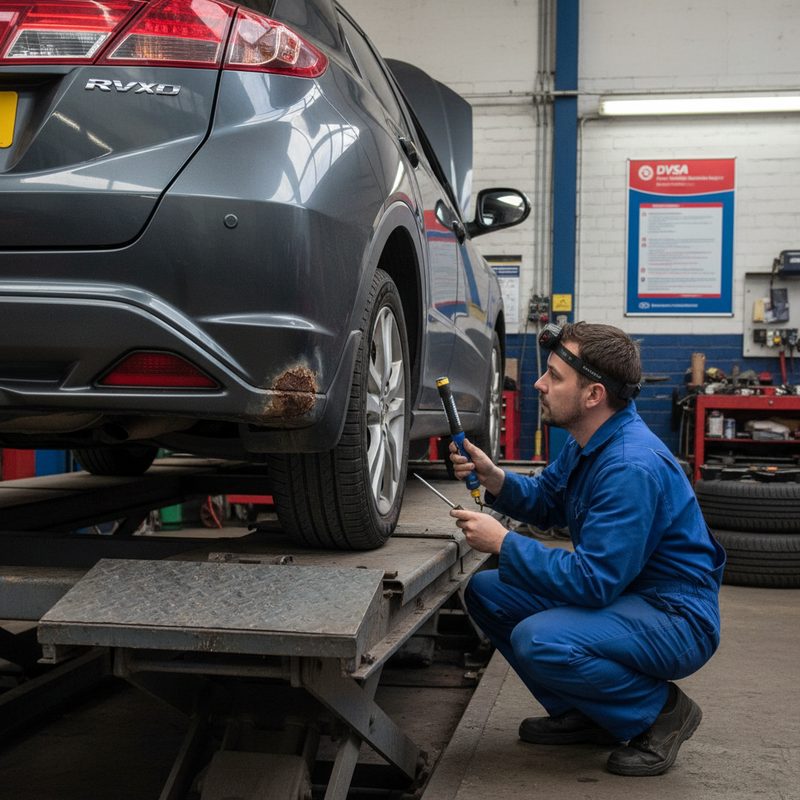
Horn Not Working MOT Advisory: Is It an MOT Failure
Understanding a 'horn not working' advisory on your MOT can save you time and money. Learn its implications, repair costs, and how to negotiate effectively.
Understanding the Horn Not Working Advisory
So, you've just received your MOT results, and there's an advisory stating that your horn isn't working. What does this mean? In plain English, it indicates that during the MOT test, the examiner found that your vehicle's horn was either not functioning or not loud enough to be heard clearly. While it might seem like a minor issue, it's essential to understand its implications fully.
The horn is a crucial safety feature of your vehicle. It allows you to alert other drivers and pedestrians to your presence, especially in situations where visibility is poor or when someone is about to make a dangerous manoeuvre. If your horn isn't working, it could pose a safety risk, which is why it's flagged during the MOT.
How Serious is a Horn Not Working Advisory?
Now, let's get to the crux of the matter: how serious is this advisory? While it might not seem as critical as a brake failure or a suspension issue, a non-functioning horn can still be a safety concern. Think about it: if you're driving and need to alert someone, a silent horn could lead to an accident.
If you are weighing up alternatives, our guide to Tyre Bulge MOT Advisory covers similar ground from a different angle.
In the grand scheme of things, this advisory is more of a minor annoyance than a safety-critical issue. However, it shouldn't be ignored. If you find yourself in a situation where you need to use your horn and it doesn't work, the consequences could be dire. Therefore, while it may not lead to an immediate MOT failure, it's a good idea to address it sooner rather than later.
Typical Repair Cost Range
So, how much is it going to cost you to fix that pesky horn? The good news is that repairing or replacing a car horn is generally quite affordable. Depending on the make and model of your vehicle, you can expect to pay anywhere from £30 to £100 for a replacement horn. If the issue is more about wiring or a blown fuse, the costs could be even lower, often ranging from £10 to £50.
For more on this topic, take a look at our Steering Rack Worn guide.
It's worth noting that if you're not particularly handy with tools, you might want to factor in labour costs as well. A garage will typically charge around £50 to £80 per hour for labour, so if the repair takes an hour, you could be looking at a total cost of around £80 to £180. Still, this is a relatively small price to pay for a crucial safety feature.
How Urgent is the Repair? Can You Wait or Fix Now?
You might be wondering, "Can I wait to fix this?" The answer is a bit nuanced. While the horn not working is not an immediate danger, it's advisable to get it sorted out as soon as possible. If you find yourself in a situation where you need to use your horn and it doesn't work, you could be putting yourself and others at risk.
You might also find our CV Boot Split MOT Advisory guide useful alongside this one.
If you’re planning to drive in busy areas or during peak hours, it’s best to prioritise this repair. On the other hand, if you’re mostly driving in quiet areas or don’t often need to use your horn, you might be able to delay the repair for a short period. However, don’t let it slide for too long; it’s always better to be safe than sorry.
What to Watch for if the Advisory Appears Repeatedly
If you notice that the horn not working advisory appears repeatedly on your MOT reports, it’s time to take a closer look. A recurring issue could indicate a deeper problem, such as electrical faults or wiring issues. This is especially true if the horn was working fine before but suddenly stopped functioning again after a repair.
We have covered related ground in our Front Brake Disc Worn MOT Advisory guide, which is worth reading if this subject interests you.
In such cases, it’s advisable to consult a professional mechanic who can conduct a thorough diagnostic check. Ignoring a recurring advisory can lead to more significant issues down the line, not to mention the potential safety risks involved. Make sure to keep an eye on your MOT history and check for any patterns that might indicate a more serious underlying problem. You can easily check your car's full MOT history on the GOV.UK MOT history website.
How This Affects the Car's Value and Your Negotiation Position
Now, let’s talk about the impact of a horn not working advisory on your car's value. If you’re looking to sell your vehicle, having this advisory on your MOT report could potentially lower its value. Buyers are often wary of advisories, as they may perceive them as indicators of neglect or underlying issues.
You can check the exact safety score for any model on the Euro NCAP website.
When negotiating the price, you might find that potential buyers use this advisory as leverage to lower their offer. If you can demonstrate that you’ve addressed the issue promptly and effectively, you may be able to mitigate some of the impact on your car's value.
For instance, if you’ve already had the horn repaired, be sure to have the receipts handy. This shows buyers that you’ve taken care of the issue and are committed to maintaining the vehicle. On the flip side, if you’re buying a used car and see this advisory on the MOT report, it could be a red flag. You might want to negotiate a lower price or ask the seller to fix it before you make the purchase.
Conclusion
In summary, while a 'horn not working' advisory may not seem like a big deal, it’s essential to understand its implications fully. It’s a minor annoyance that can lead to safety concerns if left unaddressed. The repair costs are generally low, and it’s advisable to fix the issue sooner rather than later.
If you find this advisory appearing repeatedly, it’s worth investigating further to avoid potential safety risks. Additionally, be mindful of how this advisory can affect your car's value, especially if you’re looking to sell or negotiate a purchase.
For peace of mind, always check any car's full MOT history before making a purchase. You can do this easily through the GOV.UK MOT history website. Remember, being informed is your best tool in making smarter decisions when it comes to used cars. Happy driving, and may your horn always sound loud and clear!