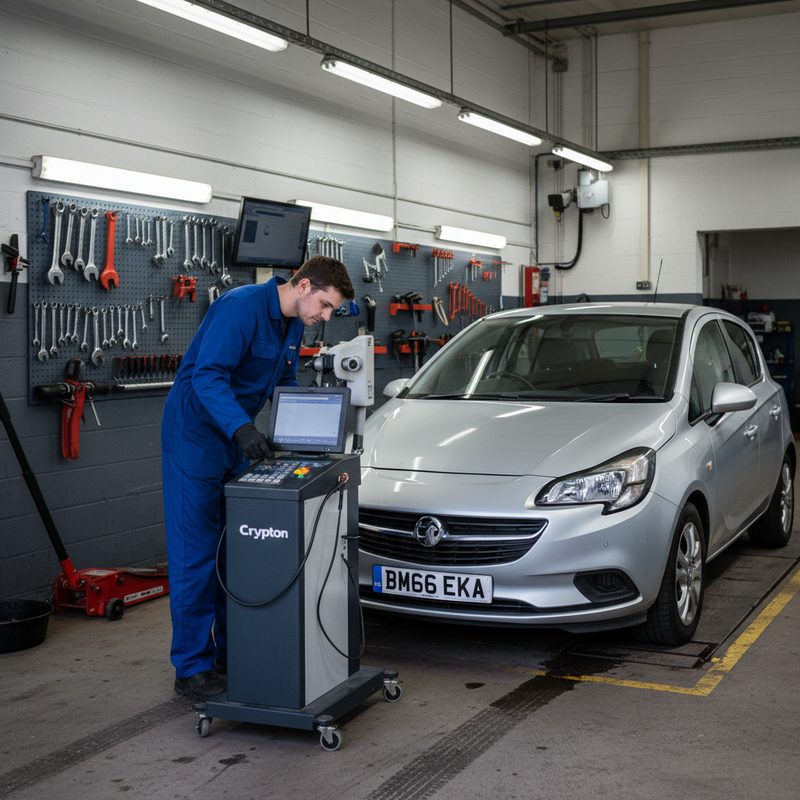
Headlight Aim Too Low MOT Advisory: Quick Fix Guide
Learn how to tackle a 'Headlight Aim Too Low' MOT advisory with practical tips, repair costs, and its implications for your vehicle's safety and value.
Understanding the 'Headlight Aim Too Low' MOT Advisory
Receiving an MOT advisory for 'Headlight Aim Too Low' can be a bit concerning, especially if you're not familiar with what it means. In plain English, this advisory indicates that your car's headlights are not positioned correctly. Ideally, headlights should illuminate the road ahead effectively without blinding oncoming drivers. When they are aimed too low, it can lead to poor visibility at night, making it difficult to see road signs, pedestrians, or obstacles.
This advisory does not mean your car has failed the MOT, but it does suggest that there is an issue that needs addressing. The reason for this advisory is typically due to misalignment of the headlight units, which can occur over time due to various factors such as wear and tear, a minor accident, or even just the natural settling of the vehicle. It’s crucial to understand that while this may seem like a minor issue, it can have serious implications for your safety and that of others on the road.
How Serious Is a 'Headlight Aim Too Low' Advisory?
When it comes to the seriousness of a 'Headlight Aim Too Low' advisory, the implications can range from a minor annoyance to a safety-critical concern. On one hand, if your headlights are aimed too low, you might find it challenging to see clearly at night, particularly on unlit roads. This can lead to dangerous driving conditions, especially if you encounter pedestrians or cyclists who are less visible in low light.
On the other hand, if your headlights are aimed too low, it can also mean that you are not providing adequate illumination for other drivers. This could lead to a situation where you are not fully aware of your surroundings, increasing the risk of accidents. Furthermore, if you are driving in conditions where visibility is already compromised, such as rain or fog, having properly aligned headlights becomes even more critical.
In summary, while it may seem like a minor issue, it is essential to treat a 'Headlight Aim Too Low' advisory with the seriousness it deserves. Ignoring it could lead to potential safety hazards and even legal implications if you are involved in an accident where inadequate lighting is a factor.
Typical Repair Cost Range
Addressing a 'Headlight Aim Too Low' advisory is generally a straightforward process, and the costs associated with fixing the issue can vary based on several factors. Typically, you can expect to pay between £20 and £100 for a headlight alignment adjustment. This cost can depend on whether you take your vehicle to a garage or a dealership, as well as the specific make and model of your car.
If the issue is simply a matter of adjusting the headlight aim, the cost will be on the lower end of the spectrum. Most garages can perform this adjustment quickly, often within half an hour. However, if there are underlying issues, such as damaged headlight units or wiring problems, the costs could increase significantly. In such cases, you might need to replace components, which could push the total repair cost to anywhere between £100 and £300 or more, depending on the parts needed.
It's worth noting that some garages may offer free headlight alignment checks as part of their service, so it’s always a good idea to shop around. Additionally, if you’re feeling confident, you can also check the alignment yourself using a simple method involving a wall and a tape measure. This can help you determine if the issue is indeed just a minor adjustment or something more serious that requires professional attention.
How Urgent Is It? Can You Wait or Fix Now?
When it comes to urgency, addressing a 'Headlight Aim Too Low' advisory should not be put off for too long. While it may not be an immediate emergency, it is advisable to get it sorted out as soon as possible. Driving with poorly aimed headlights can significantly impair your visibility, especially at night or in adverse weather conditions. This can lead to dangerous driving situations, not only for you but also for other road users.
If you find yourself in a situation where you need to drive at night frequently, it’s best to prioritise this repair. On the other hand, if you primarily drive during the day and have no immediate plans for night driving, you might be able to wait a short while before addressing the issue. However, it’s essential to keep in mind that the longer you leave it, the more you risk encountering a situation where your visibility is compromised.
If you’re unsure about the urgency, consider getting a second opinion from a trusted mechanic. They can assess the situation and provide guidance on whether it’s safe to wait or if immediate action is necessary. Ultimately, it’s better to be proactive about your vehicle’s safety rather than reactive, especially when it comes to something as critical as headlight alignment.
What to Watch For If It Appears Repeatedly
If you find that a 'Headlight Aim Too Low' advisory keeps appearing during your MOT tests, it’s essential to investigate the underlying causes. Repeated advisories can indicate a more significant issue at play, such as a problem with the headlight assembly, suspension, or even the vehicle’s frame. Here are a few things to watch for:
- Physical Damage: Inspect the headlight units for any visible damage. Cracks or breaks can affect the alignment and may require replacement.
- Suspension Issues: If your vehicle has suspension problems, it can affect the height at which your headlights are aimed. Pay attention to any unusual noises or handling issues when driving, as these could indicate suspension problems. For more on suspension issues, check out our guide on What Does 'Suspension Arm Bush Worn' Mean on an MOT? Serious or Not?.
- Wiring Problems: Sometimes, electrical issues can cause headlights to malfunction. If you notice flickering lights or inconsistent brightness, it might be worth having the wiring checked.
- Adjustment Mechanism: Ensure that the adjustment mechanism for the headlights is functioning correctly. If it’s stuck or broken, it may not hold the headlights in the correct position.
By keeping an eye on these factors, you can address any recurring issues before they escalate into more significant problems. Regular maintenance and checks can help ensure that your headlights remain properly aligned, keeping you and other road users safe.
How This Affects the Car's Value and Your Negotiation Position
A 'Headlight Aim Too Low' advisory can have implications for your vehicle’s value, especially if you are considering selling or trading it in. Potential buyers may view this advisory as a red flag, indicating that the vehicle may not have been well-maintained. This can lead to lower offers or negotiations that favour the buyer, as they may factor in the cost of repairs into their offer.
If you’re selling a car with this advisory, it’s essential to be transparent about the issue. Providing documentation of the advisory and any repairs you’ve made can help reassure potential buyers that you have taken care of the problem. On the other hand, if you choose to ignore the advisory, you may find that buyers are less willing to pay a fair price, as they may be concerned about the condition of the vehicle.
In terms of negotiation, if you have addressed the issue and can provide proof of repairs, you may have a stronger position when discussing the price. Buyers are often willing to pay more for a vehicle that has been well-maintained and is in good working order. Conversely, if the advisory remains unresolved, it could weaken your negotiating position, as buyers may be more inclined to offer lower prices to account for the potential costs of repairs. For more information on how advisories can impact value, see our guide on Repeated Rear Suspension Bush Worn Advisory: Should You Walk Away?.
Conclusion
Receiving a 'Headlight Aim Too Low' MOT advisory can feel overwhelming, but understanding what it means and how to address it can make the process much smoother. Remember, while it may seem like a minor issue, it can have serious implications for your safety and that of others on the road. Addressing the advisory promptly and ensuring that your headlights are correctly aligned can help you avoid potential accidents and legal issues.
If you’re unsure about the repair process or costs, don’t hesitate to seek advice from a trusted mechanic. Additionally, always check any car's full MOT history with a free vehicle report to ensure you’re fully informed about any potential issues before making a purchase. Taking these steps will not only enhance your driving experience but also help you maintain the value of your vehicle in the long run.