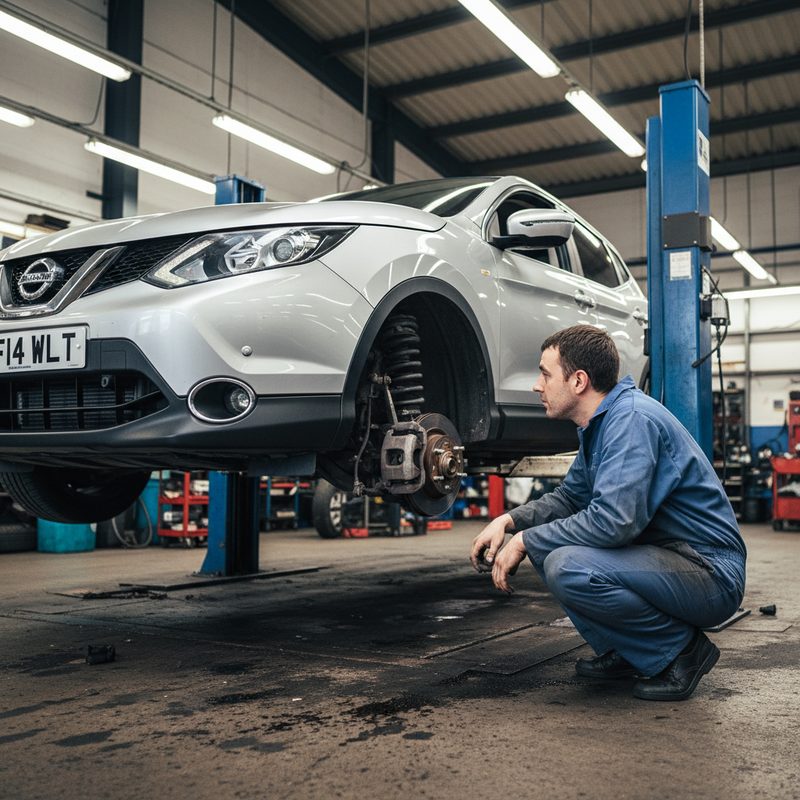
Suspension Arm Bush Worn: Repair Cost and How Urgent Is It
This guide covers everything you need to know about worn suspension arm bushes, including repair costs, urgency, and implications for your vehicle.
A worn suspension arm bush can lead to a range of issues in your vehicle, from handling problems to increased tyre wear. Understanding the implications of this advisory is crucial for any used car buyer. Repair costs typically range from £100 to £300, depending on the vehicle make and model, and the urgency of the repair can vary significantly. If you’ve received this advisory on your MOT, it’s essential to assess how serious it is and what steps to take next.
Key facts
- Suspension arm bushes are critical for maintaining vehicle stability and handling.
- Repair costs can range from £100 to £300, depending on the vehicle.
- Ignoring worn bushes can lead to more severe suspension issues and increased repair costs.
- Regular checks can help identify issues before they become serious problems.
- A worn suspension arm bush can affect your car's value during resale or negotiation.
What This Advisory Means in Plain English
A suspension arm bush is a rubber or polyurethane component that connects the suspension arm to the vehicle's chassis. Its primary role is to absorb shocks and vibrations while allowing for some movement, which is essential for maintaining a smooth ride. When the MOT inspector notes that the suspension arm bush is worn, it indicates that this component is no longer functioning optimally. This wear can lead to a variety of problems, including poor handling, increased tyre wear, and even potential safety hazards if left unaddressed.
In practical terms, a worn suspension arm bush can result in a clunking noise when driving over bumps, a feeling of instability when cornering, or uneven tyre wear. If you notice any of these symptoms, it’s a clear sign that you should investigate further. Ignoring this advisory could lead to more serious suspension issues down the line, which may be more expensive to repair.
How Serious Is It? (Minor Annoyance vs Safety Critical)
The seriousness of a worn suspension arm bush can vary based on the extent of the wear. In some cases, it may be a minor annoyance that affects ride comfort and handling. However, if the wear is significant, it can become a safety-critical issue. A compromised suspension system can lead to loss of control while driving, especially during emergency manoeuvres or on uneven surfaces.
If you find yourself in a situation where the bush is excessively worn, it could lead to misalignment of the wheels, which not only affects handling but can also lead to premature tyre wear. This is why it’s essential to take this advisory seriously. If you’re unsure about the severity of the wear, it’s best to consult a qualified mechanic who can assess the condition of your suspension system.
Typical Repair Cost Range
Repair costs for a worn suspension arm bush can vary widely depending on the make and model of your vehicle, as well as the labour rates in your area. Generally, you can expect to pay between £100 and £300 for the repair. This estimate typically includes the cost of parts and labour.
For example, some smaller vehicles may have lower repair costs due to easier access to the suspension components, while larger vehicles or those with more complex suspension systems can incur higher costs. Additionally, if multiple bushes need to be replaced or if there are other underlying issues, the total cost can increase significantly.
It’s worth noting that while it may be tempting to delay repairs to save money, doing so can lead to more extensive damage and higher costs in the long run. Regular maintenance and prompt repairs can help keep your vehicle in good condition and save you money over time.
How Urgent: Can You Wait or Fix Now?
Determining how urgent it is to fix a worn suspension arm bush depends on several factors, including the extent of the wear and how it affects your vehicle's handling. If you’re experiencing noticeable symptoms such as clunking noises or instability while driving, it’s advisable to address the issue as soon as possible. Continuing to drive with a worn bush can lead to further damage to the suspension system and potentially compromise your safety.
If the wear is minimal and you’re not experiencing any significant handling issues, you might be able to wait a short while before getting it repaired. However, it’s crucial to keep an eye on the situation and have it checked out regularly. A good rule of thumb is to have a qualified mechanic inspect the suspension system during routine services, especially if you receive an advisory on your MOT.
What to Watch for If It Appears Repeatedly
If you find that your vehicle consistently receives advisories for worn suspension arm bushes, it’s essential to take a closer look at the underlying issues. Repeated advisories can indicate that there is a more significant problem at play, such as misalignment, excessive wear on other suspension components, or even issues with the vehicle's weight distribution.
In such cases, it may be worth considering a full suspension inspection to identify any other potential problems. Ignoring repeated advisories can lead to a cascade of issues that can affect your vehicle's safety and performance. Additionally, if you’re looking to sell your car, repeated advisories can negatively impact its resale value and make negotiations more challenging.
How This Affects the Car's Value and Your Negotiation Position
A worn suspension arm bush can have a significant impact on your vehicle's value, especially if it’s noted on an MOT certificate. Buyers are often wary of vehicles with outstanding advisories, as they may perceive them as potential money pits. If you’re looking to sell your car, it’s crucial to address any advisories before putting it on the market.
When negotiating the price, a buyer may use the advisory as leverage to lower their offer, arguing that they will need to spend money on repairs shortly after purchase. If you can provide documentation showing that you’ve addressed the issue, it can strengthen your position during negotiations. On the other hand, if you ignore the advisory, you may find it challenging to justify your asking price.
In conclusion, a worn suspension arm bush is not something to take lightly. Understanding the implications of this advisory, including repair costs, urgency, and its effect on your vehicle's value, is essential for any used car buyer. If you’ve received this advisory, consider getting a professional assessment to determine the best course of action. Regular maintenance and prompt repairs can keep your vehicle in good condition and save you money in the long run. For further insights, check out our guide on What Does 'Suspension Arm Bush Worn' Mean on an MOT? Serious or Not?.