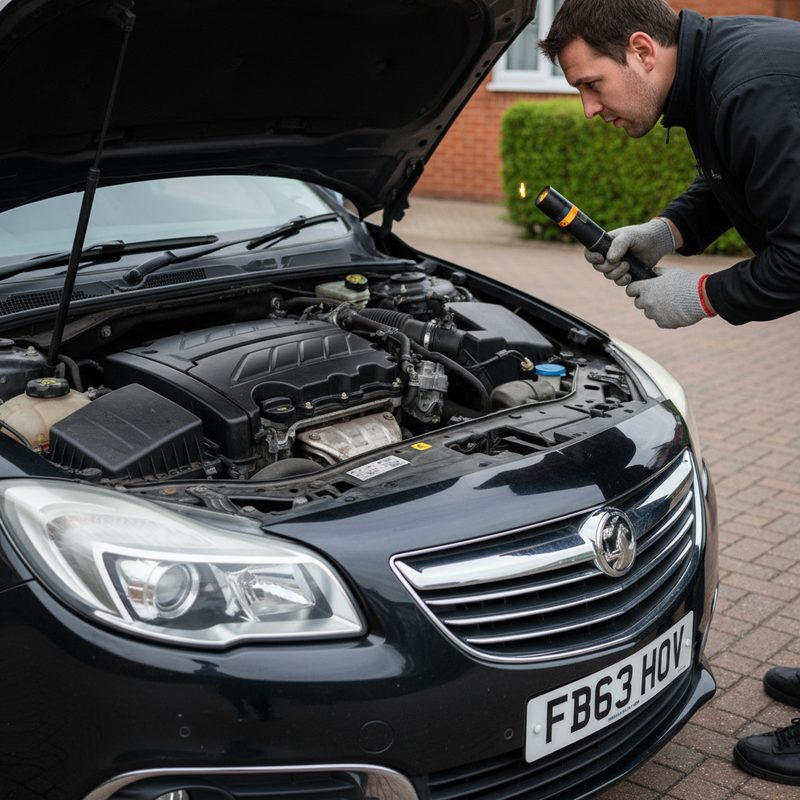
Buying a Used Car With Warning Lights On — Which Are Serious
This guide helps you navigate the risks of buying a used car with warning lights on, highlighting which lights are serious and how to protect yourself.
Understanding Warning Lights
When you're in the market for a used car, the excitement can often overshadow the caution you should exercise. One of the most alarming sights is a dashboard lit up like a Christmas tree with warning lights. But not all warning lights are created equal. Some are mere nuisances, while others could indicate serious issues that could cost you dearly down the line. In this guide, we'll break down the warning lights you should pay attention to, how to spot them, what they mean for the car's condition and value, and how to protect yourself from making a costly mistake.
The Importance of Warning Lights
Warning lights serve as the car's way of communicating with you. They can indicate anything from a minor issue, like low tyre pressure, to a serious problem, such as engine failure. Ignoring these lights can lead to severe consequences, including expensive repairs, safety hazards, and even accidents. For instance, a simple oil pressure warning light could mean your engine is running low on oil, which can lead to catastrophic engine failure if not addressed promptly.
Common Warning Lights and Their Implications
Engine Warning Light
The engine warning light, often depicted as an engine block, is one of the most critical indicators on your dashboard. If this light comes on, it could signify a range of issues, from a loose fuel cap to a more serious problem like a failing catalytic converter.
How to Spot It: Before you even start the engine, check if the light is illuminated when you turn the ignition on. If it stays on after the engine starts, that’s a red flag.
What It Means: A persistent engine light could indicate that the car has underlying issues that may require immediate attention. Depending on the problem, repairs can range from £100 to over £1,000.
Cost Implications: Ignoring this light can lead to more severe engine damage, costing you thousands in repairs.
Protection Tips: Always ask the seller for a diagnostic report if this light is on. A reputable dealer should be willing to provide this.
Dave's Verdict: Deal-breaker. Don’t proceed without understanding the issue.
Oil Pressure Warning Light
The oil pressure warning light is usually represented by an oil can icon. If this light comes on, it indicates that the oil pressure is low, which can lead to severe engine damage.
How to Spot It: This light should not be illuminated while driving. If it comes on, pull over immediately and check the oil level.
What It Means: Low oil pressure can lead to engine wear and failure. If the light is on, it could mean the oil pump is failing or there’s a leak.
Cost Implications: Repairs can range from £200 to £2,000, depending on the damage. Ignoring it could lead to a complete engine overhaul.
Protection Tips: Check the oil level and quality before buying. If the oil is dirty or low, it’s a significant red flag.
Dave's Verdict: Deal-breaker. Don’t risk it.
Brake Warning Light
The brake warning light can indicate several issues, from low brake fluid to worn brake pads. It’s crucial to take this seriously.
How to Spot It: This light should not be on when the car is in motion. If it lights up, it’s time to investigate.
What It Means: A lit brake warning light could mean your brakes are failing, which is a serious safety concern.
Cost Implications: Brake repairs can range from £150 to £1,000, depending on the issue. Ignoring it could lead to accidents.
Protection Tips: Test the brakes during a test drive. If they feel spongy or unresponsive, walk away.
Dave's Verdict: Deal-breaker. Safety first.
Battery Warning Light
The battery warning light indicates that there’s an issue with the car’s charging system. This could be due to a failing alternator or a weak battery.
How to Spot It: This light should not be illuminated while driving. If it comes on, it’s a sign to check the battery and alternator.
What It Means: A failing battery or alternator can leave you stranded. If the light is on, it’s essential to get it checked.
Cost Implications: Replacing a battery can cost between £50 and £150, while an alternator replacement can range from £200 to £600.
Protection Tips: Ask for the battery’s age and service history. A battery older than three years may need replacing soon.
Dave's Verdict: Manageable, but get it checked before buying.
How to Protect Yourself
-
Run a Free Vehicle Check: Before you even consider buying a used car, run a free vehicle check to spot potential red flags. This will give you an idea of the car's history, including any previous accidents or outstanding finance.
-
Ask for Service History: A well-documented service history can indicate that the previous owner took care of the car. Look for regular oil changes and maintenance records.
-
Get a Professional Inspection: If you’re serious about a car, consider getting a professional inspection. A mechanic can identify issues that you might miss during a casual inspection.
-
Test Drive: Always take the car for a test drive. Pay attention to how it feels, listen for unusual noises, and check if any warning lights come on during the drive.
-
Negotiate Based on Findings: If you notice any warning lights or issues during your checks, use this as leverage to negotiate a better price. A car with known issues should not command a premium price.
Real Cost Implications of Ignoring Warning Lights
Ignoring warning lights can lead to a cascade of problems that can severely impact your wallet. For instance, if you ignore the engine warning light, you might end up with a blown head gasket, which can cost upwards of £1,500 to repair. Similarly, neglecting the oil pressure light could lead to engine failure, costing you the price of a new engine, which can range from £2,000 to £5,000.
Additionally, the resale value of a car with known issues will plummet. If you buy a car with a persistent warning light and later decide to sell it, you’ll find it challenging to get a fair price, as buyers will be wary of the potential problems.
Conclusion
Buying a used car is an exciting venture, but it comes with its fair share of risks, especially when warning lights are involved. Understanding which lights are serious and knowing how to spot them can save you from making a costly mistake. Always conduct thorough checks, run a free vehicle check, and don’t hesitate to walk away from a deal that doesn’t feel right. Remember, it’s better to be safe than sorry.
With the right knowledge and precautions, you can navigate the used car market confidently and make a purchase that you’ll be happy with for years to come. So, the next time you see a warning light, don’t just shrug it off; take action and protect your investment.
FAQs
-
What should I do if a warning light comes on during a test drive?
If a warning light comes on during a test drive, pull over safely and assess the situation. Check the owner’s manual for guidance and consider walking away from the purchase if it’s a serious issue. -
Are all warning lights serious?
No, not all warning lights indicate serious problems. Some, like the tyre pressure light, may signal minor issues, while others, like the engine or brake warning lights, require immediate attention. -
How much does it cost to fix a warning light issue?
Repair costs can vary widely depending on the issue. Minor fixes may cost around £100, while serious problems could run into the thousands. -
Can I negotiate the price if there are warning lights on?
Absolutely! Use the presence of warning lights as leverage to negotiate a lower price, especially if you can demonstrate the potential repair costs. -
What’s the best way to avoid buying a problematic used car?
Conduct thorough checks, run a vehicle history report, and consider getting a professional inspection before making a purchase. Always trust your instincts and don’t rush into a decision.
Run a free vehicle check with Dave to spot red flags instantly
Get Dave's free AI-powered vehicle check before you make a decision.