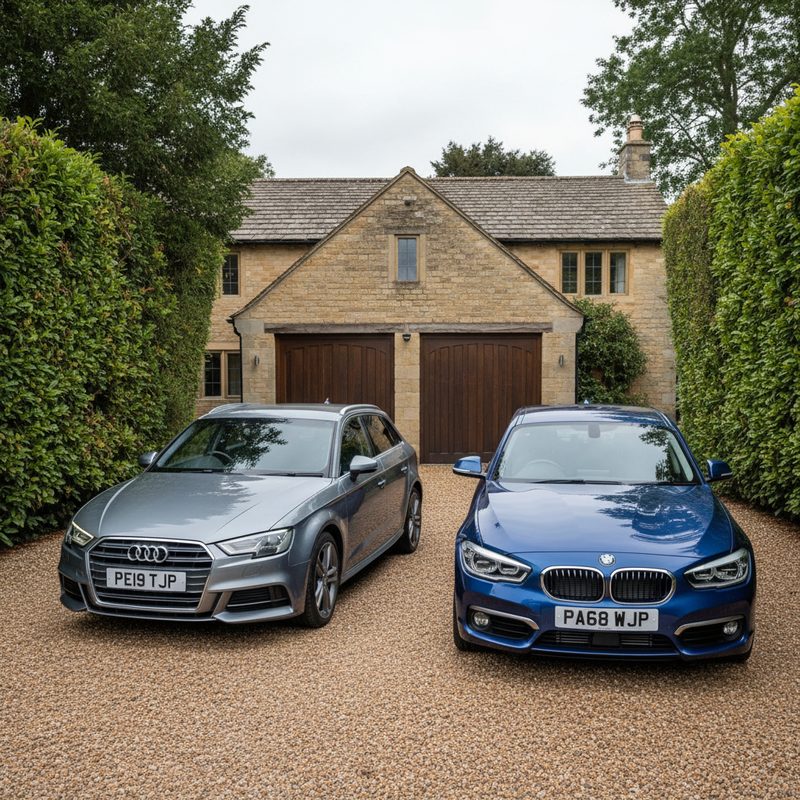
VW Golf vs BMW 1 Series: Premium Hatch Battle
Dive into the ultimate comparison of the VW Golf and BMW 1 Series, exploring their strengths and weaknesses to help you make an informed choice.
Quick Verdict
When it comes to choosing between the VW Golf and the BMW 1 Series, it’s a tough call. Both cars offer a blend of style, comfort, and performance, but they cater to slightly different tastes. The Golf is often seen as the more practical choice, with a reputation for reliability and a spacious interior. On the other hand, the BMW 1 Series leans more towards the sporty side, delivering a dynamic driving experience that many enthusiasts crave. If you’re after a well-rounded hatchback that’s easy to live with, the Golf might just edge it. However, if you want a bit of flair and driving enjoyment, the 1 Series could be your pick. Ultimately, it depends on what you value more in your daily drive.
Running Costs Compared
Insurance
When it comes to insurance, the VW Golf generally has the upper hand. Depending on the model and engine size, you can expect insurance groups ranging from 10 to 30. The BMW 1 Series, being a premium brand, typically falls into higher insurance categories, often ranging from 20 to 40. For example, a 2019 VW Golf 1.0 TSI might cost around £600 a year to insure, while a BMW 118i could easily set you back £800 or more. If keeping insurance costs down is a priority, the Golf is likely your best bet.
Fuel
Fuel economy is another crucial factor. The VW Golf offers a range of efficient engines, with the 1.0 TSI petrol variant achieving around 50-55 mpg, while the diesel options can push that figure even higher. In contrast, the BMW 1 Series, particularly the petrol models, tends to average around 40-50 mpg, depending on the engine. For instance, the BMW 116d diesel can achieve up to 68 mpg, but the petrol engines are less frugal. If you’re a commuter or someone who does a lot of driving, the Golf’s fuel efficiency might save you a pretty penny in the long run.
Servicing
Servicing costs can also vary significantly. VW generally has a reputation for reasonable servicing costs, with a typical service for a Golf costing around £150-£250, depending on the work needed. The BMW 1 Series, on the other hand, can be pricier, with services often ranging from £200 to £400. Additionally, BMWs can require more specialised parts, which can add to the overall cost. If you’re looking for a car that won’t break the bank when it comes to maintenance, the Golf is likely the more economical choice.
Reliability Compared
MOT Pass Rates
Reliability is a key consideration for many buyers. According to recent data, the VW Golf boasts a solid MOT pass rate of around 85%, which is commendable for a hatchback. The BMW 1 Series, while still respectable, has a slightly lower pass rate of about 80%. This suggests that the Golf may have the edge when it comes to long-term reliability. However, both cars are generally well-built and should serve you well if properly maintained.
Common Issues
When it comes to common issues, the Golf has a reputation for being quite robust. However, some owners have reported issues with the DSG automatic gearbox and electrical faults in older models. The BMW 1 Series, while generally reliable, has been known to experience problems with the turbochargers and electrical systems, particularly in earlier models. If you’re considering a used model, it’s worth checking the service history for any major repairs. Overall, both cars have their quirks, but the Golf tends to come out on top in terms of reliability.
Practicality Compared
Boot Space
Practicality is often a deciding factor for hatchback buyers. The VW Golf offers a generous boot space of around 380 litres, which is quite spacious for the class. In comparison, the BMW 1 Series lags slightly behind with about 360 litres of boot space. While the difference isn’t massive, it could be a deciding factor if you regularly carry larger items or travel with family.
Comfort
In terms of comfort, both cars offer a pleasant driving experience. The Golf is known for its comfortable seating and a well-designed interior that prioritises ease of use. The BMW 1 Series, however, tends to have a sportier feel, with seats that hug you a bit more. If you’re after a more relaxed ride, the Golf might suit you better, but if you prefer a sportier driving position, the 1 Series could be your go-to.
Tech
Both cars are equipped with modern technology, but there are some differences. The VW Golf comes with a user-friendly infotainment system that includes features like Apple CarPlay and Android Auto, making it easy to connect your devices. The BMW 1 Series also offers a solid tech package, but some users find the iDrive system a bit more complex to navigate. If tech is a priority for you, both cars deliver, but the Golf’s intuitive layout might give it the edge.
Value for Money: Which Depreciates Less
When it comes to depreciation, both the VW Golf and BMW 1 Series hold their value relatively well, but the Golf tends to have a slight advantage. Typically, a Golf will lose about 40% of its value over three years, while the 1 Series can lose around 45-50%. This means that if you’re looking for a car that will retain its value better, the Golf is likely the smarter investment.
However, it’s worth noting that the BMW brand carries a certain prestige, which can help maintain its value in the used car market. If you’re looking at a higher-spec model, the depreciation might be less noticeable. Ultimately, if you’re planning to keep the car for a long time, depreciation might not be your biggest concern, but if you’re looking to sell in a few years, the Golf could be the better option.
Dave's Final Call with Specific Scenarios
Commuter
If you’re a commuter looking for a reliable, economical car, the VW Golf is likely the better choice. Its excellent fuel economy, lower insurance costs, and spacious boot make it ideal for daily driving. Plus, the comfort and tech features will keep you happy on those longer journeys.
Family
For families, both cars have their merits, but the Golf’s larger boot space and practicality give it the edge. It’s also a bit easier to get kids in and out of the back seats, which can be a lifesaver in busy car parks. The BMW 1 Series is a great option if you want something sportier, but for day-to-day family life, the Golf is likely to be more accommodating.
Enthusiast
If you’re a driving enthusiast who values performance and handling, the BMW 1 Series is hard to beat. Its sporty chassis and responsive steering make it a joy to drive. However, if you want a balance of fun and practicality, the Golf GTI offers a fantastic compromise, delivering sporty performance without sacrificing everyday usability.
Budget Buyer
For budget-conscious buyers, the VW Golf is the clear winner. With lower running costs, better reliability, and a strong resale value, it’s a smart choice for anyone looking to get the most bang for their buck. The BMW 1 Series is a fantastic car, but it can be pricier to run and maintain.
Conclusion
In the battle between the VW Golf and BMW 1 Series, there’s no clear-cut winner; it really comes down to your personal preferences and needs. If you value practicality, reliability, and lower running costs, the Golf is likely your best bet. However, if you’re after a sporty driving experience and don’t mind spending a bit more, the 1 Series could be the car for you. Whichever you choose, make sure to check any car with Dave's free vehicle intelligence report to ensure you're making a smart purchase. Happy car hunting!