Parent's Guide to Buying a First Car — Dave Recommends
Your child has passed their test and wants a car. Parent-to-parent about safety priorities, insurance dos and don'ts, budgeting together, and how to guide your new driver towards a smart first car without taking over the process.
Your son or daughter has passed their driving test. Congratulations -- and commiserations, because your stress levels are about to go through the roof. I say that as a parent myself. The day my eldest drove off alone for the first time, I sat by the window like a dog waiting for its owner, pretending to read the paper while secretly tracking their phone.
But here is the thing: you cannot wrap them in cotton wool forever. What you can do is help them buy the right first car crash test programme rates cars from one to five stars for occupant protection. For a first car, aim for at least four stars. Most modern superminis score four or five stars, but older cars -- anything pre-2010 -- may have been tested under an earlier, less stringent version of the test.
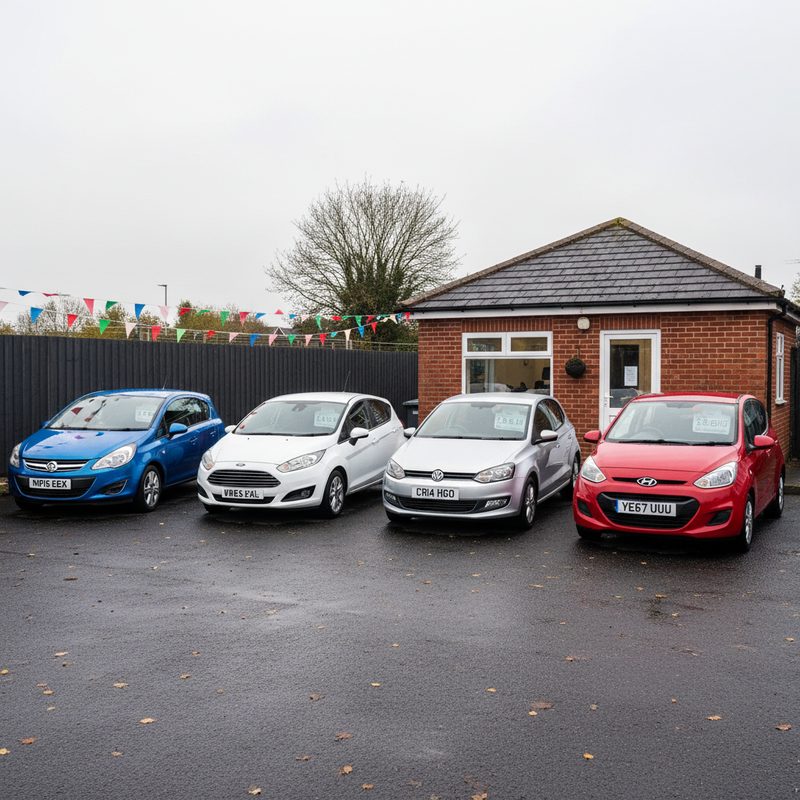
Cars to look for with strong safety ratings include the Ford Fiesta (2013 onwards, 5 stars), Volkswagen Polo (2009 onwards, 5 stars), Skoda Fabia (2014 onwards, 5 stars), and Toyota Yaris (2011 onwards, 5 stars). These are all affordable, insurable, and genuinely well-protected in an accident.
Electronic Stability Control (ESC)
ESC has been mandatory on all new cars sold in the EU since 2014, but many cars from 2008 onwards also have it. This system detects when the car is starting to skid and automatically applies individual brakes to help the driver regain control. Research suggests ESC reduces the risk of fatal single-vehicle accidents by 25-30%.
For a new driver who is still developing car control skills, ESC is not just useful -- it is potentially life-saving. Make sure whatever car you buy has it fitted.
Multiple Airbags
Front airbags have been standard for decades, but side airbags, curtain airbags, and knee airbags make a significant difference in side-impact and rollover crashes. Most cars from 2010 onwards have at least six airbags. Check the specification before buying.
ISOFIX (If Relevant)
If your teenager has younger siblings who still need child seats, ISOFIX points in the rear make fitting car seats properly much easier. Most cars from 2012 onwards have them as standard.
The Insurance Conversation: Having It Early
Insurance is almost certainly going to be the single biggest cost of your child's motoring. For a 17-19 year old, annual premiums of £1,200-£3,000 are normal, even on a cheap, low-group car. It is essential that you discuss this early and honestly.
Do Not Fall Into the Fronting Trap
This is critical. Fronting is when a parent takes out the insurance policy in their own name and adds their child as a named driver, even though the child is the main driver of the car. It is insurance fraud. It is illegal. And if there is a claim, the insurer will refuse to pay out, leaving your child (and possibly you) personally liable for any damage or injuries.
The temptation is obvious -- a policy in your name with your child as a named driver can be hundreds or even thousands of pounds cheaper than a policy in their name. But the risks are enormous. If your child has an accident and the insurer discovers fronting (and they do investigate), the policy is voided, the claim is rejected, and your child could be prosecuted for driving without valid insurance. That means six points on their licence (which, as a new driver, triggers an automatic revocation of their licence under the New Drivers Act) and a potential fine of up to £5,000.
The legitimate approach is to take out the policy in your child's name as the main driver and add yourself as a named driver. This often provides a small discount (5-15%) because it demonstrates family support and experience.
Telematics Policies
Black box insurance is genuinely worth considering. These policies use a small device fitted to the car (or a smartphone app) to monitor driving behaviour. Speed, braking, cornering, and time of driving are all tracked. Good driving earns lower premiums at renewal.
From a parenting perspective, telematics has a secondary benefit: it encourages your new driver to develop good habits from day one. Knowing that harsh braking or late-night driving affects their insurance score is a powerful motivator.
Some telematics providers also offer a parent portal where you can see driving scores and trip data. Whether or not you choose to use this depends on your family dynamic -- some teens find it intrusive, others appreciate that it keeps premiums down.
Multi-Car Policies
If you have two or more cars insured with the same company, some insurers offer multi-car discounts. This can save 10-20% on your child's premium. It is worth getting quotes from your own insurer as well as comparison sites.
Setting the Budget Together
How you handle the finances depends on your family situation, but here is what I have seen work well over the years.
The Shared Investment Approach
Many families split the costs. Parents might contribute towards the purchase price while the young driver pays for insurance and running costs from their part-time job earnings. This teaches financial responsibility while making car ownership realistically achievable.
A typical arrangement might look like:
- Parents contribute £2,000-£3,000 towards the car
- Young driver pays insurance (monthly to spread the cost)
- Running costs (fuel, maintenance) split or covered by the young driver
- Emergency repairs discussed case by case
The Loan Approach
Some parents prefer to lend the full amount and have their child pay it back over time. This teaches the value of money and gives the young driver full ownership of the responsibility. Even an interest-free family loan with a simple written agreement works well.
The Matching Fund
One approach I particularly like: whatever the young driver saves, the parents match it pound for pound. If they save £1,500 from their weekend job, the parents add £1,500, giving a £3,000 budget. This rewards effort and teaches saving discipline.
Inspecting a Car Together: What to Look For
Going to view a potential first car with your child is a bonding experience and a practical one. Two sets of eyes are better than one, and your life experience counts even if you are not a mechanic.
Before You Go
- Run a vehicle history check. Seriously, do this before you even leave the house. There is no point driving an hour to see a car that turns out to have outstanding finance or a hidden write-off. Dave's vehicle check gives you the full story in minutes.
- Check the MOT history online (free on the government website). Look at the pattern of advisories and failures.
- Get insurance quotes for the specific car. You need to know the cost before you commit.
At the Viewing
Work through these checks systematically:
Bodywork: Walk around the car slowly. Look for mismatched paint, uneven panel gaps, fresh underseal (which can hide rust), and any signs of accident repair. Crouch down and look along the sides -- ripples in the panels suggest filler.
Tyres: Check tread depth on all four corners. Uneven wear patterns suggest alignment issues, suspension wear, or that the car has been driven hard.
Under the bonnet: Look for oil leaks, coolant leaks, corroded battery terminals, and bodged wiring. The engine should be cold when you arrive -- a warm engine can mask starting problems.
Interior: Check all the electrics work -- windows, mirrors, central locking, air conditioning, heated seats (if fitted). Sit in the driver's seat and make sure the controls are comfortable.
Test drive: Let your child drive while you observe. Listen for unusual noises, feel for vibrations, check the brakes work smoothly, and make sure all the gears engage cleanly. Drive on different road types for at least 20 minutes.
Documents: The V5C (logbook) should match the seller's name and address. Check the MOT certificate date. Count the keys -- two keys are normal; one key could mean the other was lost (possibly in a theft).
Teaching Car Care: Building Good Habits Early
Buying the car is just the beginning. Teaching your new driver how to look after it sets them up for years of cheaper, safer motoring.
Show Them the Basics
Spend an afternoon in the driveway showing your child how to:
- Check oil level and top it up
- Check tyre pressures and inflate them
- Check coolant level
- Top up windscreen washer fluid
- Check all lights are working
- Change a wheel (even if they have breakdown cover, knowing how to do this is valuable)
Make it a shared activity rather than a lecture. Most young people learn better by doing than by being told.
Create a Maintenance Calendar
Help them set up reminders on their phone:
- Weekly: tyre pressure and visual checks
- Monthly: oil, coolant, and lights check
- Every 6 months: interim service
- Annually: full service and MOT
The Emergency Kit
Put together a basic emergency kit for the boot: warning triangle, hi-vis vest, torch, jump leads, tyre inflator or spare wheel tools, first aid kit, phone charger, and a blanket. These cost about £30-£50 in total and could make a real difference if they break down on a dark country road.
Breakdown Cover
Get breakdown cover. It costs £30-£80 per year and is worth every penny for a young driver in an older car. The RAC, AA, and Green Flag all offer policies that cover the car regardless of who is driving. Some policies can be added to a family membership at a reduced rate.
The Emotional Side: Letting Go
I am going to be straight with you: the hardest part of your child getting their first car is not the money, the insurance, or the inspections. It is the worry. You will lie awake the first time they drive at night. You will check your phone obsessively when they are late home. That is completely normal.
What helps is knowing you have done everything possible to set them up safely. A well-chosen car with good safety features, proper insurance, basic maintenance knowledge, and a history check that confirms the car is mechanically sound -- these are the things within your control.
The rest? That is down to the driving skills you helped them develop and the common sense you have spent eighteen years instilling. Trust the process. They will be fine.
Dave's Final Word for Parents
Your role in this process is guide, not dictator. Help them research, show them how to inspect a car, explain the financial realities, and set firm boundaries on safety. But let them have a say in the final choice -- it is their car, and taking ownership of the decision is part of growing up.
Before any money changes hands, make sure you have run a full history check on the car. Outstanding finance, hidden write-offs, and clocked mileage affect thousands of used car transactions every year, and young buyers are often targeted specifically because sellers assume they will not check. Use Dave's vehicle check tool and remove that risk entirely.
You are doing a great thing helping your child onto the road. With the right preparation, it will be one of the most rewarding milestones you share together.
Check any car with Dave
Get Dave's free AI-powered vehicle check before you make a decision.