Common Mistakes When Buying a First Car: Dave Recommends
Buying your first car can be daunting. Discover common mistakes to avoid and get Dave's top recommendations for new drivers.
Introduction: The First Car Dilemma
Buying your first car is an exhilarating experience, isn’t it? The freedom of the open road, the independence it brings, and the sheer joy of driving can be intoxicating. But hold your horses! It’s also a minefield of potential mistakes that can turn your dream into a nightmare. As someone who’s seen it all in the used car market, I’m here to guide you through the common pitfalls and help you make the best decision possible. Let’s dive into the most frequent blunders first-time buyers make and how to avoid them.
Dave's Genuine Recommendations for First Cars
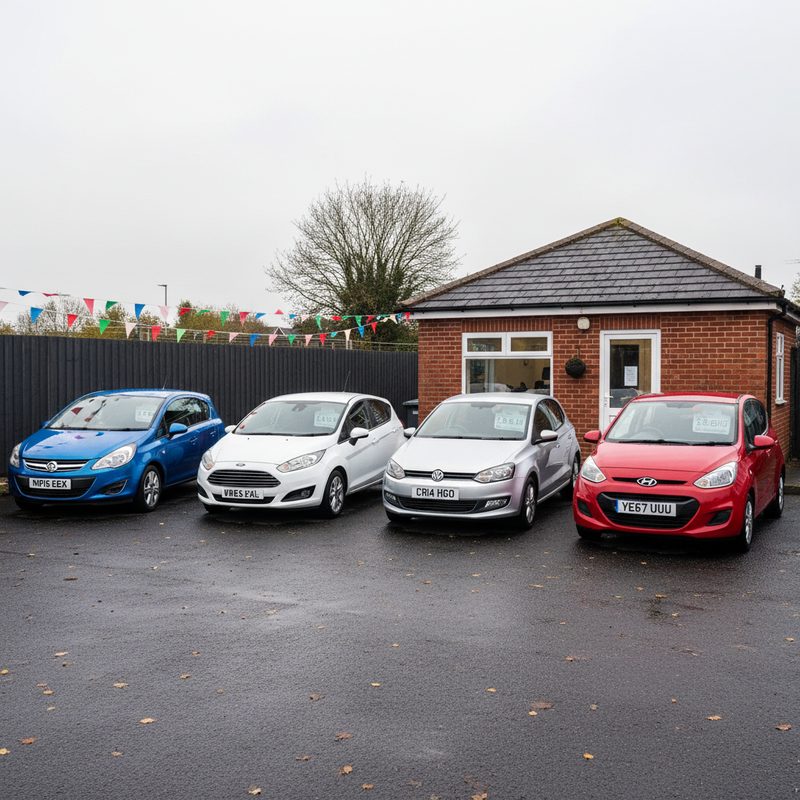
Let’s kick things off with some recommendations. If I were to tell my own kid which car to buy, it would be the Ford Fiesta. Why? Because it’s the quintessential first car. It’s affordable, fun to drive, and boasts a reputation for reliability. The Fiesta is also relatively cheap to insure, which is a massive plus for young drivers. You can typically find a decent model for around £6,000 to £8,000, making it a smart choice for budget-conscious buyers.
But what if you’re looking for something different? Here are a few more options:
Vauxhall Corsa
The Vauxhall Corsa is another fantastic option for new drivers. It’s compact, easy to park, and offers a comfortable ride. The Corsa is known for its low running costs, which is crucial for first-time car owners. You can expect to pay around £5,000 to £7,500 for a good used model. Plus, it has a decent safety rating, which is always a bonus.
Volkswagen Polo
Now, if you want a car that feels a bit more premium, consider the Volkswagen Polo. It’s slightly more expensive, usually ranging from £7,000 to £10,000, but it’s worth every penny. The Polo is known for its build quality and driving experience, making it a joy to drive. It’s also packed with safety features, which is vital for inexperienced drivers.
Skoda Fabia
The Skoda Fabia is often overlooked, but it’s a hidden gem. It’s spacious, practical, and offers great value for money. You can find models for around £5,500 to £8,000. The Fabia is also known for its reliability, which is something you’ll want in your first car.
Citroën C3
Lastly, let’s not forget the Citroën C3. This quirky little car is not only stylish but also very economical. You can pick one up for about £5,000 to £7,000. It’s perfect for city driving, thanks to its compact size, and it has a comfortable interior.
These recommendations are just the tip of the iceberg. For a more comprehensive list, check out my guide on the Best Small Cars for New Drivers: Dave Recommends.
The Insurance Reality
Ah, insurance. The necessary evil of car ownership. Many first-time buyers underestimate how much insurance can impact their overall budget. Did you know that insurance premiums for drivers aged 17 to 25 can be eye-watering? Depending on the car’s insurance group, you might be looking at quotes ranging from £1,200 to £2,500 a year!
So, what’s the deal with insurance groups? Cars are rated from 1 to 50, with lower numbers indicating cheaper insurance. For a first car, you’ll want something in the lower groups, ideally between 1 and 10. Cars like the Ford Fiesta and Vauxhall Corsa often fall into these categories, making them ideal for new drivers.
Tips to Lower Your Insurance Premiums
- Choose the Right Car: As mentioned, opt for cars in lower insurance groups. This can save you a fortune.
- Consider a Black Box: While it’s not the only option, telematics insurance policies can help lower your premium if you drive safely.
- Increase Your Excess: If you can afford it, increasing your voluntary excess can lower your premium, but make sure you can cover it in case of a claim.
- Add a Named Driver: Adding an experienced driver to your policy can sometimes reduce costs, but be careful not to fall into the trap of fronting, which is illegal.
- Shop Around: Use comparison sites and don’t settle for the first quote. You might be surprised at the savings you can find.
For more detailed information on insurance groups, check out my guide on What Insurance Group Should a First Car Be?: Dave Recommends.
Running Costs Breakdown
Now that you’ve got the car and insurance sorted, let’s talk about running costs. Owning a car isn’t just about the purchase price; it’s about what you’ll pay every month. Here’s a breakdown of typical costs you can expect:
Fuel Costs
Depending on your car’s fuel efficiency, you might spend anywhere from £60 to £120 a month on petrol or diesel. For example, a Ford Fiesta typically achieves around 50-60 mpg, which is quite economical.
Road Tax
Road tax can vary based on your car’s emissions. For a small car, you might pay around £20 to £150 a year. You can check the exact amount on the GOV.UK road tax checker.
Maintenance and Servicing
Regular servicing is crucial, especially for first-time owners. Budget around £30 to £50 a month for routine maintenance. Some cars, like the Vauxhall Corsa, are known for their cheap servicing costs, making them a smart choice for new drivers. For a more detailed look at servicing costs, check out my guide on the Best First Cars Cheap Servicing: Dave Recommends.
Insurance Premiums
As mentioned earlier, insurance can range widely, but budgeting £100 to £200 a month is a safe bet for many new drivers.
MOT and Repairs
Don’t forget about the MOT! It’s a legal requirement for cars over three years old. An MOT typically costs around £40 to £60 annually. Additionally, set aside a budget for unexpected repairs, which can vary but aim for at least £20 a month.
Monthly Budget Example
Let’s put this all together for a realistic monthly budget:
- Fuel: £80
- Road Tax: £15
- Maintenance: £40
- Insurance: £150
- MOT/Repairs: £20
Total Estimated Monthly Cost: £305
This is a ballpark figure, but it gives you a good idea of what to expect. For a more detailed breakdown of running costs, check out my guide on How Much Does It Cost to Run Your First Car UK.
Safety That Actually Matters
Safety features are crucial for any driver, but especially for new ones who might not have the experience to handle tricky situations. It’s not just about the Euro NCAP star rating; it’s about what features are actually beneficial.
Essential Safety Features
- ABS (Anti-lock Braking System): This prevents the wheels from locking up during hard braking, allowing you to maintain steering control.
- ESC (Electronic Stability Control): This helps prevent skidding and loss of control, especially in adverse weather conditions.
- Airbags: Look for cars with multiple airbags, including side and curtain airbags, which provide extra protection in a crash.
- Lane Departure Warning: This feature alerts you if you unintentionally drift out of your lane, which is particularly useful for new drivers.
- Rear Parking Sensors: These can help prevent accidents when reversing, making parking a breeze.
When shopping for your first car, don’t just look at the star ratings; dig deeper into the safety features. For a more comprehensive list of safe options, check out my guide on the Best First Cars with Good Safety Ratings: Dave Recommends.
Mistakes Dave Sees All the Time
As an expert in the field, I’ve seen my fair share of rookie mistakes that can cost new drivers dearly. Here are a few common blunders to avoid:
Skipping the Test Drive
Never, and I mean never, buy a car without test driving it first. You wouldn’t buy a pair of shoes without trying them on, would you? A test drive gives you a feel for the car’s handling, comfort, and overall condition.
Ignoring the History Check
Always check the car’s history before making a purchase. Use the GOV.UK MOT history tool to check for any past issues. A quick DVLA check can also reveal if the car has been stolen or written off. Ignoring this step can lead to buying a lemon.
Overlooking Insurance Costs
Many first-time buyers focus solely on the purchase price and forget about insurance. Always factor this into your budget before committing to a car.
Buying Based on Looks Alone
It’s easy to fall in love with a car’s exterior, but looks can be deceiving. Make sure you research the car’s reliability, running costs, and safety features before making a decision.
Not Considering Future Needs
Think about your future needs. Will you need more space for a family or a larger boot for hobbies? Don’t just buy for today; consider what you might need in a year or two.
Dave's Final Word
Buying your first car is a significant milestone, and it’s essential to approach it with the right mindset. Do your research, avoid common pitfalls, and don’t rush into a decision. Take your time, and remember that the right car is out there waiting for you.
If you’re feeling overwhelmed, don’t hesitate to reach out for help. Whether it’s a trusted friend, a family member, or even a professional, getting a second opinion can save you from making costly mistakes. And remember, I’m here to help you check any car you’re considering. Let’s make sure you drive away with a vehicle that’s perfect for you. Happy car hunting!